Most organizations should treat IDS, IPS, firewalls, NGFW, and NDR as different controls, not interchangeable products. A firewall controls access, IDS detects suspicious activity, IPS blocks known threats, NGFW adds application and identity awareness, and NDR watches network behavior for threats that slip through. The best choice depends on risk, staff, budget, traffic volume, and how much visibility the security team already has.
TLDR: IDS and IPS tools are useful for signature-based detection and blocking, while a next-generation firewall is better for enforcing policy at the perimeter and between network segments. NDR is stronger when the team needs to detect lateral movement, compromised accounts, and encrypted traffic anomalies. For example, a mid-sized company with 600 employees may cut alert volume by 35% by moving basic intrusion signatures to an NGFW, then using NDR to investigate the remaining high-risk behavior. The strongest setup often combines NGFW prevention with NDR visibility.
IDS, IPS, and Firewall Basics
An IDS, or intrusion detection system, monitors traffic and raises alerts when it sees suspicious patterns. It does not usually block traffic. It tells the security team that something may be wrong.
An IPS, or intrusion prevention system, sits inline and can block traffic. It may drop malicious packets, reset connections, or quarantine hosts. This is useful, but it can also break legitimate traffic if rules are too aggressive.
A firewall controls which traffic is allowed or denied. Traditional firewalls focus on ports, protocols, and IP addresses. They answer questions such as, “Can this source talk to this destination on port 443?” That is still useful, but it is not enough by itself.
A next-generation firewall, often called an NGFW, adds deeper inspection. It can identify applications, users, content types, and known threats. Many NGFW platforms include IPS, URL filtering, malware defense, SSL inspection, and policy controls in one system.
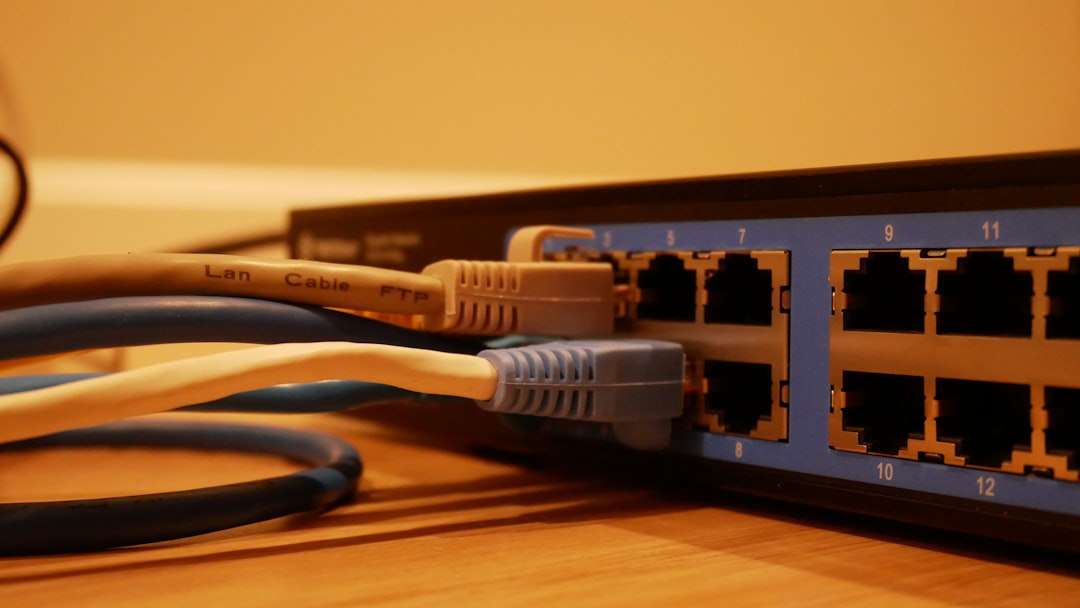
IDS and IPS vs Next-Generation Firewalls
IDS and IPS tools are focused on intrusion detection and prevention. They compare network traffic against signatures, rules, protocol checks, and sometimes reputation lists. Their value is strongest when the team needs detailed inspection of known attack patterns.
NGFW platforms are broader control points. They enforce access rules, inspect applications, check users against identity systems, filter web content, and often run built-in IPS engines. In many networks, the NGFW replaces a separate IPS at the internet edge.
The catch is that “all in one” rarely means “best at everything.” An NGFW may detect commodity malware well, but it may miss quiet lateral movement inside the network. It may also struggle when SSL inspection is disabled because of privacy concerns, performance problems, or broken applications.
IDS tools still have a place. A passive IDS can watch traffic without adding latency or causing outages. This is helpful in sensitive environments, such as hospitals, factories, and payment systems, where blocking the wrong session can cause real trouble.
Where Traditional Firewalls Fall Short
Traditional firewalls are simple and predictable. That is why they still matter. Yet attackers rarely rely on obvious traffic anymore. They use allowed services, stolen credentials, cloud apps, and encrypted sessions.
A firewall may allow HTTPS because the business needs web access. An attacker can hide command and control inside that same allowed channel. A firewall may allow remote desktop between two internal servers because an admin requested it years ago. An attacker can use that path for lateral movement.
It drives analysts crazy that old firewall rules often survive for years. A rule that once saved five minutes during a project can later become a quiet path for compromise. In some audits, teams find that 20% to 40% of firewall rules are unused, duplicated, or too broad.
What NDR Adds
Network Detection and Response, or NDR, focuses on behavior. It collects traffic metadata, flow records, DNS activity, packet data, and sometimes identity context. Then it looks for abnormal patterns.
NDR is useful when attackers do not trigger classic signatures. It can spot unusual data transfers, rare connections, strange authentication patterns, odd DNS behavior, and internal scanning. It also helps during investigations because it shows what systems talked to each other and when.
For example, if a finance workstation suddenly sends 8 GB of data to an unknown external server at 2:13 a.m., an NDR system may flag it even if no malware signature appears. If a domain admin account logs in from three unusual hosts within eight minutes, NDR can connect those events to a possible credential theft case.
IDS IPS Firewall Decisions: What Fits Best?
The right mix depends on placement and risk.
- Internet edge: An NGFW is usually the best first control. It blocks unwanted access, filters risky content, and runs IPS checks.
- Data center segmentation: NGFW or internal firewalls help limit movement between applications, databases, and user networks.
- High-availability environments: Passive IDS may be safer than inline IPS when outages are not acceptable.
- Threat hunting and investigations: NDR gives broader visibility into attacker behavior across the network.
- Compliance-heavy environments: IDS logs, firewall rules, and NDR records can all support audit needs.
A small company may choose one NGFW with built-in IPS and logging. A larger enterprise may use NGFW at the edge, internal firewalls for segmentation, IDS sensors in sensitive zones, and NDR across core network links. That may sound like tool sprawl, but each layer answers a different question.
Common Strengths and Weaknesses
IDS strengths: It is low risk to deploy, useful for visibility, and good for alerting on known threats. It does not usually disrupt traffic.
IDS weaknesses: It can produce too many alerts. It also cannot stop attacks by itself. Someone or something must respond.
IPS strengths: It can block threats in real time. It is helpful against exploits, scans, and known malicious patterns.
IPS weaknesses: False positives can break business traffic. Tuning takes time. Expect to waste time on rule exceptions if the environment has old apps or strange protocols.
NGFW strengths: It combines firewall policy, application control, user awareness, IPS, and filtering. It is strong for prevention and access control.
NGFW weaknesses: It can become expensive. Performance can drop when deep inspection and SSL inspection are enabled. Licensing can also be annoying, especially when basic features are split into separate subscriptions.
NDR strengths: It detects behavior, supports investigations, and helps find threats that bypass perimeter tools. It is strong for internal visibility.
NDR weaknesses: It does not replace blocking controls. It also needs good integration with SIEM, EDR, ticketing, or SOAR tools to support fast response.
How These Tools Work Together
The strongest model is layered. The NGFW blocks clear threats and enforces policy. IDS or IPS adds inspection where needed. NDR watches the traffic that still gets through. EDR adds host-level detail. SIEM connects the logs.
This layered design reduces blind spots. If the NGFW misses a stolen credential attack, NDR may spot strange internal access. If NDR sees suspicious activity, firewall rules can block the destination. If IDS raises an exploit alert, EDR can confirm whether the endpoint was affected.
Practical Buying Guidance
Security teams should start with the problem, not the product category. If the main issue is poor perimeter control, an NGFW comes first. If the issue is alert overload from old IDS tools, better tuning or consolidation may help. If the team lacks visibility after an attacker gets inside, NDR deserves serious review.
Key questions include:
- How much traffic must be inspected each day?
- Will the tool sit inline or passive?
- Can the team handle false positives?
- Is encrypted traffic inspection allowed?
- Does the platform integrate with EDR, SIEM, and identity tools?
- Can it show clear attack timelines, not just raw alerts?
No single tool solves intrusion detection, prevention, access control, and response. NGFW, IDS, IPS, and NDR each cover part of the problem. The best security programs use them with clear roles, tuned policies, and response processes that do not depend on luck.
FAQ
What is the main difference between IDS and IPS?
An IDS detects and alerts. An IPS detects and can block traffic. IDS is usually passive, while IPS is usually inline.
Is an NGFW the same as an IPS?
No. An NGFW may include IPS features, but it also handles firewall policy, application control, user-based rules, URL filtering, and other security functions.
Can NDR replace a firewall?
No. NDR is mainly for detection, investigation, and response. A firewall or NGFW is still needed to enforce access control and block traffic.
Which is better for ransomware defense?
A layered setup works best. NGFW can block known malicious traffic. IPS can stop known exploits. NDR can spot lateral movement and unusual data transfers. EDR should protect endpoints.
Does every company need IDS, IPS, NGFW, and NDR?
Not always. Smaller teams may start with an NGFW and EDR. Larger or higher-risk organizations often add NDR and dedicated IDS or IPS sensors for deeper visibility.