The safest way to assess Wishgroupe.com as a corporate domain is to combine domain intelligence tools with direct WHOIS, DNS, SSL, and web checks. No single lookup gives the full status. WHOIS may show ownership clues and dates. DNS may show email readiness. A domain intelligence platform ties those signals together and flags risk faster.
TLDR: Wishgroupe.com should be checked through both domain intelligence tools and basic WHOIS/DNS lookup alternatives, because each source sees a different part of the domain’s health. For example, a procurement analyst reviewing 40 vendor domains might find that 27 have clean DNS, but 6 lack DMARC and 3 use recently changed nameservers. That kind of pattern is easier to spot in an intelligence dashboard than in one manual lookup. Still, manual WHOIS and DNS checks remain useful for confirming raw records.
What “corporate domain status” means for Wishgroupe.com
Corporate domain status is not just a question of whether Wishgroupe.com loads in a browser. A proper status review asks several direct questions. Is the domain registered and active? Does it resolve to a website? Are its email records configured? Has ownership changed recently? Are there signs of abuse, brand spoofing, or neglect?
For a corporate domain, those details matter. A domain can look normal from the outside and still have weak email security. It can also have valid DNS records but no serious web presence. That gap creates confusion for partners, customers, and security teams.
Honestly, it feels like many simple lookup tools stop right before the useful part. They show a nameserver or registrar, then leave the analyst to stitch the rest together by hand. That may be fine for one domain. It gets painful when a finance, legal, or IT team has to review dozens of domains in one afternoon.

What domain intelligence tools add
Domain intelligence tools pull data from several sources and present it in one place. They may include WHOIS history, passive DNS, SSL certificate history, hosting data, reputation scores, malware reports, screenshot history, redirects, subdomains, and email security records.
For Wishgroupe.com, such a tool could help answer whether the domain appears stable, newly changed, dormant, parked, redirected, or connected to working business infrastructure. It may also show whether the domain is linked to other domains, IP addresses, or certificate records.
The biggest advantage is context. A plain DNS lookup may show an MX record. A domain intelligence system may show that the MX provider changed three days ago, that the SPF record is too broad, and that no DMARC policy is enforced. That is far more useful for risk review.
- Speed: several checks run at once instead of one at a time.
- History: ownership, DNS, and certificate changes may be visible.
- Risk signals: phishing, malware, spam, and reputation feeds may be included.
- Relationship mapping: related IPs, domains, and subdomains can be grouped.
- Reporting: findings can be exported for audit or vendor review.
Where WHOIS still helps
WHOIS remains one of the first checks for any domain. It can show the registrar, registration date, expiration date, domain status codes, and sometimes registrant data. For corporate review, the dates are often the most valuable part.
If Wishgroupe.com was registered years ago and has stable renewal patterns, that may support legitimacy. If it was registered last week and claims to represent a mature company, that mismatch deserves attention. If the domain is close to expiration, there may be operational risk.
The catch is that WHOIS data is often redacted. Privacy rules and registrar masking can hide registrant names, addresses, emails, and phone numbers. That does not mean the domain is suspicious. It only means WHOIS alone cannot prove much about ownership.
Useful WHOIS fields include:
- Registrar: the company managing the domain registration.
- Creation date: when the domain was first registered.
- Updated date: when a major registration change occurred.
- Expiration date: when renewal is due.
- Status codes: locks, holds, transfer restrictions, or deletion states.
Why DNS lookup alternatives matter
DNS lookups show how the domain functions. They reveal whether Wishgroupe.com points to a website, accepts email, uses verification records, or has security policies. These checks are direct and fast.
Key DNS records include:
- A and AAAA records: show the IP addresses used by the website.
- CNAME records: show aliases and hosted services.
- MX records: show mail servers for the domain.
- TXT records: often contain SPF, verification, and security data.
- NS records: show authoritative nameservers.
- DMARC records: show email authentication policy.
- CAA records: control which certificate authorities may issue SSL certificates.
If the domain lacks MX records, it may not receive email. If SPF exists but DMARC is missing, spoofed email may be easier. If nameservers point to a parking provider, the domain may not be in active corporate use. These findings do not prove intent, but they raise practical questions.

Domain intelligence tools vs manual WHOIS and DNS
The best choice depends on purpose. A one-time curiosity check can start with free WHOIS and DNS tools. A vendor security review needs more depth. A fraud investigation needs history, reputation signals, and links to related infrastructure.
| Check type | Best for | Main weakness |
|---|---|---|
| WHOIS lookup | Registration dates, registrar, domain status codes | Registrant data is often hidden |
| DNS lookup | Website, mail, nameserver, and security records | No ownership context |
| SSL certificate lookup | Certificate issuer, validity, hostnames, certificate history | May not identify the company behind the domain |
| Domain intelligence platform | Risk scoring, history, related infrastructure, alerts | Paid tools can vary in data quality |
Expect to waste time if the review relies on only one free lookup site. Some tools cache old DNS records. Others omit IPv6, DMARC, or CAA checks. A record that appears missing in one place may show up in another due to caching or resolver differences.
A practical status checklist for Wishgroupe.com
A clear review should be short, repeatable, and evidence based. The analyst should capture timestamps and sources. That matters because DNS and domain records can change quickly.
- Check resolution: confirm whether Wishgroupe.com opens, redirects, parks, or fails.
- Run WHOIS: record registrar, creation date, expiration date, and status codes.
- Review nameservers: check whether they match a known hosting or DNS provider.
- Inspect web records: review A, AAAA, and CNAME records.
- Inspect email records: review MX, SPF, DKIM clues, and DMARC.
- Check SSL: verify certificate validity, issuer, and covered hostnames.
- Search reputation feeds: look for spam, phishing, malware, or blocklist entries.
- Compare history: check whether DNS, registrar, or hosting changed recently.
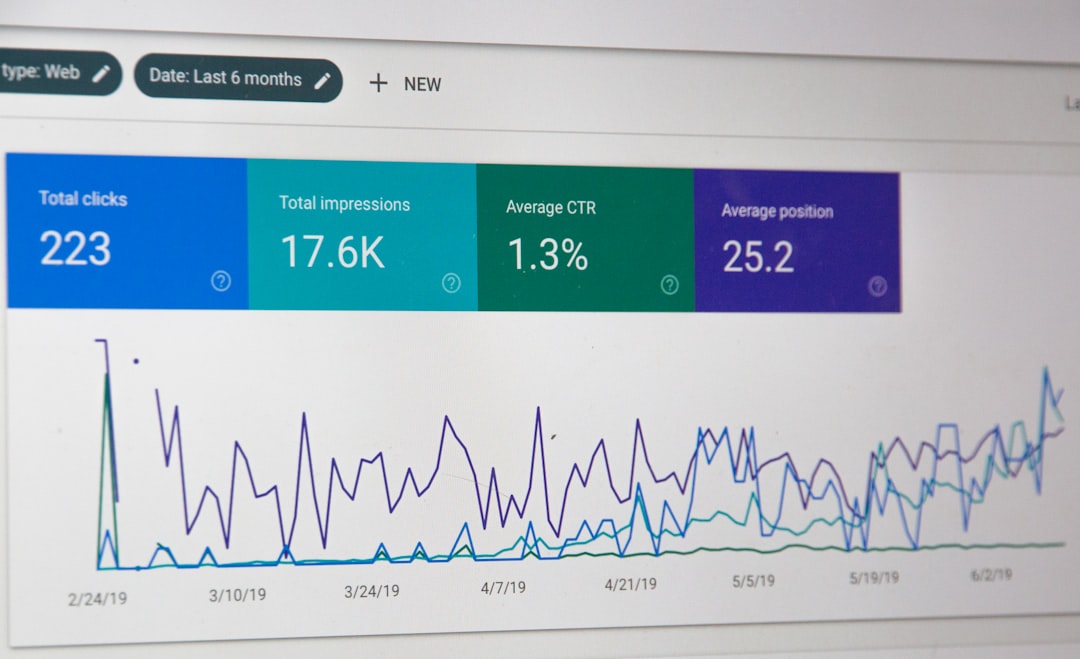
Best use case approach
For a business partner review, the strongest method is a two-layer approach. First, use manual WHOIS and DNS tools to collect raw facts. Second, use a domain intelligence platform to compare those facts against history and risk signals.
A possible scoring model can be simple. Assign 20 points each for registration stability, DNS completeness, email security, SSL validity, and clean reputation. A domain with valid SSL, stable registration, working MX, strict DMARC, and no reputation hits may score near 90 or 100. A domain with missing email security and unclear hosting may land closer to 50 or 60, even if the website loads.
This does not label Wishgroupe.com as safe or unsafe by itself. It gives reviewers a fair method. The same method can be reused across suppliers, acquisition targets, customer portals, and brand protection checks.
FAQ
What is the fastest way to check Wishgroupe.com domain status?
The fastest method is to run a WHOIS lookup, DNS lookup, SSL check, and reputation scan. A domain intelligence tool can combine these checks and save time.
Is WHOIS enough to verify a corporate domain?
No. WHOIS helps with registration facts, but it often hides ownership data. DNS, SSL, website behavior, and reputation checks are also needed.
What DNS records matter most for a corporate domain?
The most useful records are A, AAAA, CNAME, MX, TXT, NS, DMARC, and CAA. They show website routing, email setup, security policy, and certificate control.
Does missing DMARC mean a domain is fake?
No. It means the domain has weaker email spoofing protection. Many real companies still have poor email security settings.
Why use a domain intelligence tool instead of free lookup sites?
Free tools show raw records. Domain intelligence tools add history, related infrastructure, reputation data, and alerts. That context helps during risk review.
Can domain records change after a review?
Yes. DNS, SSL, hosting, and WHOIS data can change at any time. Reviews should include timestamps and be repeated for high-risk decisions.