Detect SYN floods locally, but stop serious DDoS traffic upstream before it reaches your server. That is the practical split. SYN flood detection tells you that your TCP handshake path is under stress. DDoS protection gives you the extra capacity, filtering, and routing control needed to keep real users connected while junk traffic gets dropped.
TLDR: SYN flood detection is about spotting an attack pattern, while DDoS protection is about absorbing or filtering the traffic at scale. For example, if a web server normally sees 2,000 SYN packets per second and suddenly receives 180,000 per second with only 3% completing the handshake, detection should trigger within seconds. Protection may then move traffic through a CDN, scrubbing center, firewall rule set, or cloud DDoS service. A small SaaS team can cut outage time from 35 minutes to under 5 minutes if alerts and mitigation rules are already tested.
What a SYN Flood Actually Does
A SYN flood abuses the first step of the TCP connection process. A normal TCP session starts with a client sending a SYN, the server replying with SYN ACK, and the client finishing with an ACK. After that, the connection is ready.
In a SYN flood, the attacker sends a huge number of SYN packets and may never finish the handshake. Some attacks use spoofed source IPs. Others use botnets with real addresses. The goal is simple: fill connection queues, burn CPU, strain firewalls, and make the service slow or unreachable.
This is why “boost SYNs” should not mean blindly raising every limit. More backlog and higher packet rates can help, but they can also give attackers more room to waste resources. The safer goal is to boost legitimate SYN handling while filtering fake or abusive attempts.

SYN Flood Detection Is Not the Same as DDoS Protection
These two ideas are often mixed together, and that causes bad planning.
- SYN flood detection identifies suspicious TCP connection behavior.
- DDoS protection reduces the impact of high volume attacks.
- Network security tools collect signals, enforce rules, and help teams respond faster.
Detection answers: “Is something wrong?” Protection answers: “Can we keep the service alive?” You need both. A dashboard that screams at you while your uplink is saturated is not enough. A huge scrubbing provider with no local visibility can also leave you guessing after the attack ends.
Key Signals That Reveal a SYN Flood
Good detection starts with packet and flow behavior. You do not need magic. You need clean baselines and fast alerts.
- SYN rate spike: A sudden jump above normal traffic patterns.
- Low completion ratio: Many SYNs, few completed handshakes.
- Backlog pressure: Listen queues fill or drop connection attempts.
- Source spread: Thousands of IPs send small amounts of traffic.
- Repeated retransmits: Servers keep replying to clients that never finish.
- Port focus: Heavy pressure on ports like 80, 443, 22, or game server ports.
A useful rule might be simple: alert when SYN packets exceed 10 times the 15 minute average and handshake completion drops below 40%. That will not catch every case, but it gives your team a starting point. Tune it by service. A login API behaves differently from a video stream, a VPN gateway, or a multiplayer game endpoint.
Where DDoS Protection Fits
DDoS protection matters when traffic volume exceeds what your own network can handle. If your internet connection is 1 Gbps and the attack is 40 Gbps, your firewall rules will not save you. The pipe is already full.
Common protection options include:
- CDN and edge proxy protection: Useful for web traffic, especially HTTP and HTTPS.
- Cloud DDoS protection: Filters traffic before it reaches your origin network.
- Scrubbing centers: Route traffic through cleaning infrastructure during attacks.
- Anycast routing: Spreads load across many locations.
- BGP blackholing: Drops traffic upstream, often as a last resort.
- BGP FlowSpec: Pushes more precise filtering rules into provider networks.
The catch is that some DDoS services only protect web layers well. If you run custom TCP services, VoIP, game servers, database gateways, or VPNs, ask hard questions. Can the provider filter SYN floods for raw TCP? Can it preserve client IPs? How long does rerouting take? What happens during a partial attack that never triggers automatic mitigation?

Network Security Tools That Help
You do not need one giant platform for everything. A layered tool set works better.
- tcpdump and Wireshark: Great for packet proof and attack samples.
- Zeek: Strong for connection logs and protocol analysis.
- Suricata or Snort: Good for intrusion detection and packet rules.
- NetFlow, sFlow, or IPFIX: Useful for traffic volume, source distribution, and top talkers.
- Prometheus and Grafana: Good for backlog, SYN rate, CPU, drops, and alerting.
- nftables, iptables, pf, or firewalld: Local filtering and rate control.
- eBPF tools: Fast kernel level visibility and filtering on Linux.
Honestly, it feels like too many teams discover packet visibility only after the outage. Then someone is trying to run tcpdump on a melting server, exports are missing, and the first clear answer arrives 20 minutes late. Build the boring dashboards before you need them.
Protective Controls for SYN Floods
Several controls reduce SYN flood damage. None is perfect alone.
- SYN cookies: Let the server avoid storing connection state until the handshake finishes.
- Backlog tuning: Increase queues carefully so short spikes do not break service.
- Rate limiting: Limit abusive patterns per IP, subnet, port, or protocol.
- Connection timeouts: Drop half open connections faster during pressure.
- Reverse path filtering: Help reject spoofed traffic where suitable.
- Firewall state limits: Stop one group of sources from consuming all connection state.
- Origin hiding: Keep backend IPs away from public exposure when using a proxy or CDN.
Be careful with aggressive limits. A flash sale, patch release, sports event, or viral post can look ugly in graphs. If real users sit behind carrier grade NAT, thousands may share a small group of IPs. Blocking too hard can punish the people you wanted to serve.
Detection vs Protection: A Simple Comparison
| Area | SYN Flood Detection | DDoS Protection |
|---|---|---|
| Main goal | Find abnormal SYN behavior | Keep services reachable |
| Best location | Server, firewall, sensor, flow collector | ISP, CDN, cloud edge, scrubbing provider |
| Time value | Seconds to alert | Seconds to minutes to mitigate |
| Weak point | Cannot fix a saturated uplink | May hide useful packet detail |
A Practical Response Plan
A clean plan beats heroic guessing. Start with baseline numbers. Know your normal SYN rate, completed connection ratio, peak hour traffic, and firewall state usage. Then set alerts that match reality.
- Measure normal traffic for at least two weeks.
- Enable SYN cookies where suitable.
- Send flow logs to a system that survives server failure.
- Create alert thresholds for SYN spikes and low handshake completion.
- Pre approve mitigation steps with your provider or cloud team.
- Test failover with safe traffic drills.
- Review every event and tune rules after each incident.
What Good Looks Like
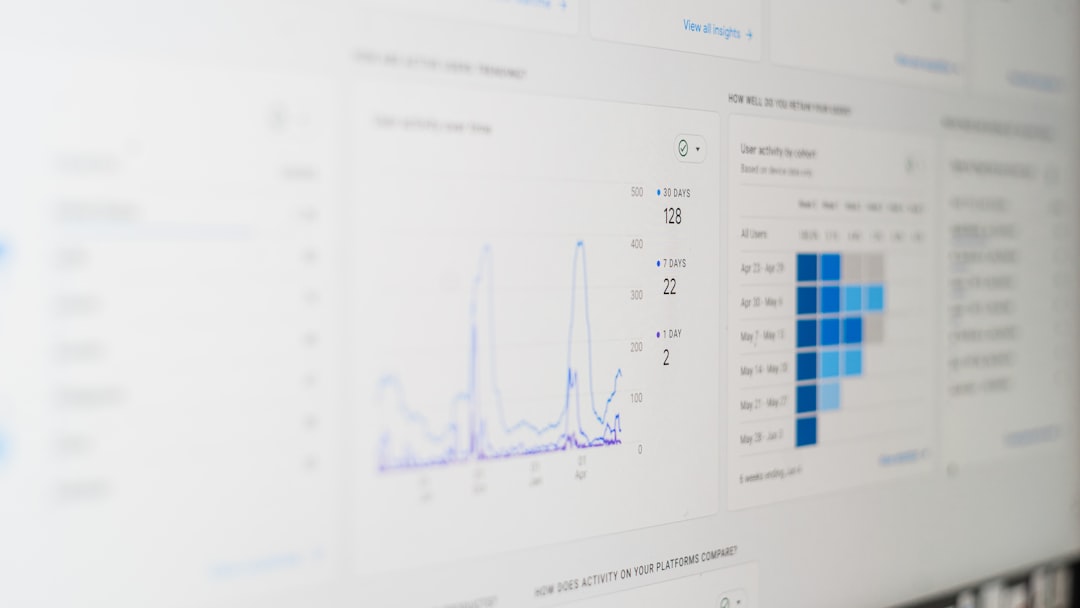
A mature setup does not just block packets. It tells a clear story. You can see when the attack began, which ports were hit, how many handshakes failed, which controls activated, and whether users still completed requests.
For many teams, the best mix is straightforward: local SYN flood detection, tuned operating system defenses, cloud or ISP level DDoS protection, and clear runbooks. That setup keeps costs sane while still handling ugly traffic surges.
SYN floods are old, but they still work because many systems are under observed and over trusted. Treat detection as your alarm. Treat DDoS protection as your shield. Treat network security tools as the evidence trail that helps you fix the next weak spot before attackers find it again.