Clinical trials are the backbone of medical innovation, but managing them is anything but simple. From regulatory documentation and patient recruitment to data monitoring and reporting, every stage demands precision, compliance, and collaboration. Without the right systems in place, research teams risk delays, errors, and costly setbacks that can derail even the most promising studies.
TLDR: Clinical trial management tools streamline study planning, patient recruitment, data collection, and compliance tracking. The right software can reduce administrative workload, improve collaboration, and provide real-time visibility into research progress. This article explores four powerful clinical trial management tools and explains how each one supports efficient, compliant, and data-driven research execution.
Today’s clinical research organizations (CROs), sponsors, and research sites increasingly rely on specialized digital platforms to manage complexity and accelerate outcomes. Below are four essential tools that help track research progress more effectively and ensure nothing falls through the cracks.
1. Clinical Trial Management Systems (CTMS)
A Clinical Trial Management System (CTMS) acts as the operational backbone of a clinical study. It centralizes study planning, tracking, financial management, and reporting into one structured platform.
Key Functions of a CTMS:
- Study planning and milestone tracking
- Site management and monitoring visit documentation
- Budget tracking and financial forecasting
- Enrollment tracking by site and region
- Regulatory document organization
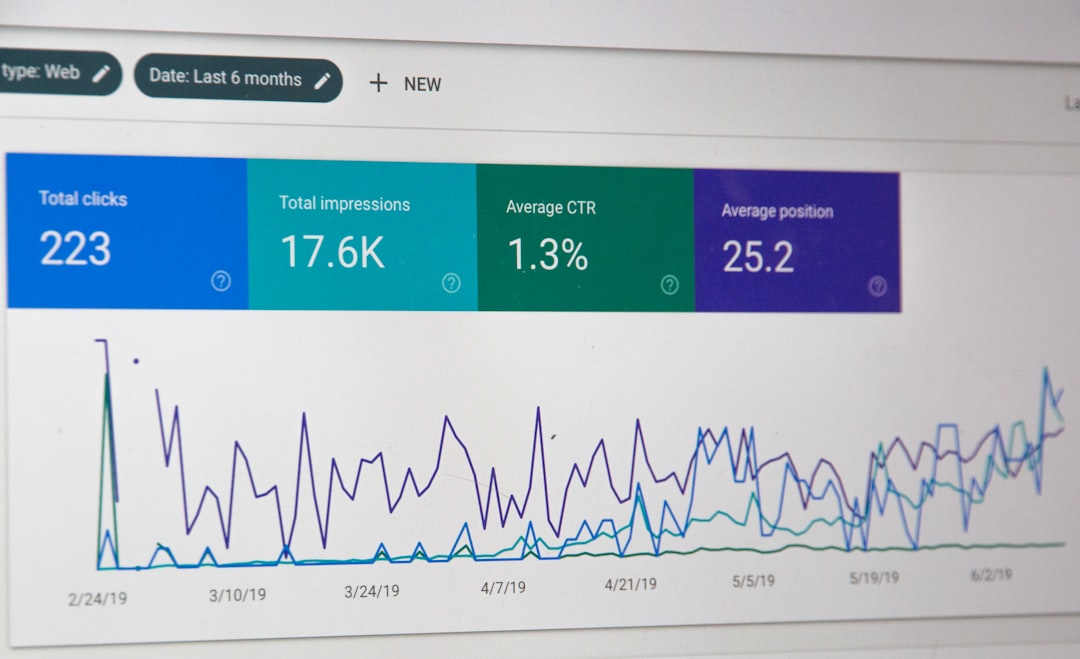
One of the biggest advantages of a CTMS is real-time visibility. Sponsors and CROs can instantly see whether enrollment targets are being met, which sites are lagging behind, and where bottlenecks are forming.
For example, if a multicenter trial is struggling with participant recruitment in one region, the CTMS dashboard highlights that discrepancy immediately. Teams can then allocate more resources or adjust strategies before timelines are threatened.
Why It Matters: A well-implemented CTMS reduces administrative workload, increases accountability across teams, and helps ensure trials stay on schedule and within budget.
2. Electronic Data Capture (EDC) Systems
While CTMS tools focus heavily on operational management, Electronic Data Capture (EDC) systems center specifically on patient data collection and management.
Traditional paper-based data methods are slow, error-prone, and difficult to audit. EDC platforms digitize patient data collection, allowing clinical site staff to enter information directly into secure systems.
Core Features of EDC Systems:
- Electronic Case Report Forms (eCRFs)
- Built-in validation checks to reduce entry errors
- Role-based access for compliance and security
- Real-time data monitoring and query resolution
- Audit trails for regulatory transparency
These tools dramatically improve data accuracy and integrity, both of which are critical when submitting results to regulatory bodies like the FDA or EMA.
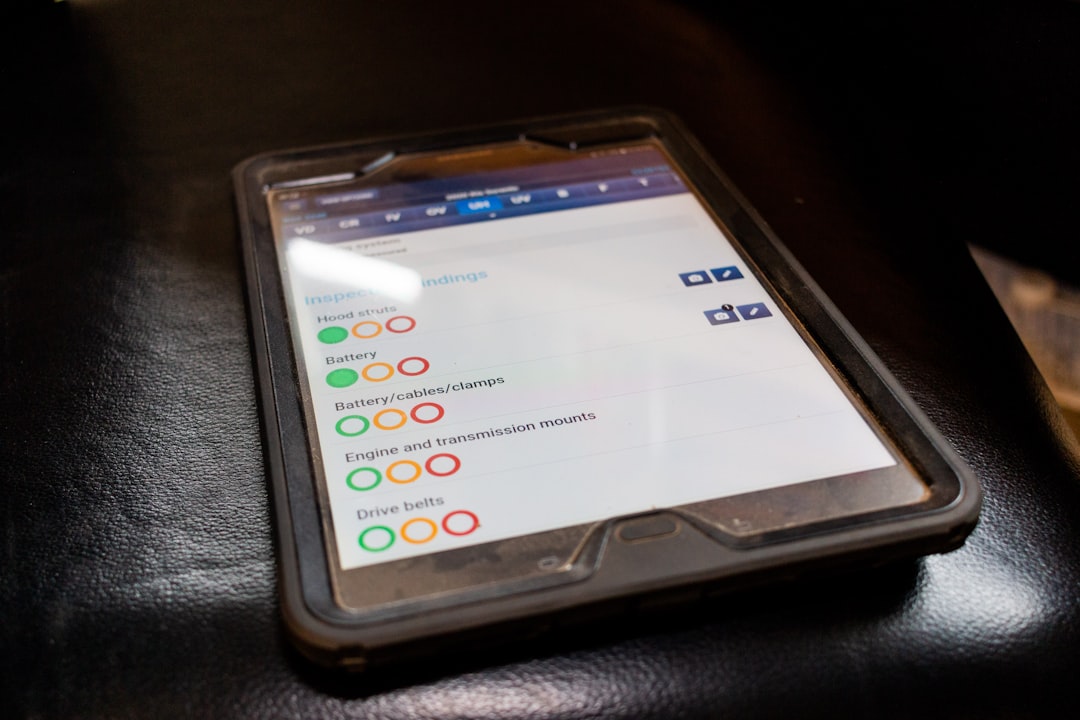
EDC systems also accelerate the data cleaning process. When errors are detected, data queries can be issued immediately, allowing investigators to resolve issues quickly rather than weeks later.
Why It Matters: Faster, cleaner data translates into shorter study timelines and more reliable findings—making EDC systems indispensable for modern clinical research.
3. Electronic Trial Master File (eTMF) Platforms
Regulatory documentation is a major component of any clinical trial. The Trial Master File (TMF) contains essential documents that demonstrate compliance with Good Clinical Practice (GCP) and regulatory requirements.
An Electronic Trial Master File (eTMF) digitizes and organizes these documents in a centralized, inspection-ready environment.
Typical Documents Managed in eTMF Platforms:
- Informed consent forms
- Investigator brochures
- Protocol amendments
- Site contracts and IRB approvals
- Safety reports and correspondence logs
One of the greatest risks in clinical trials is failing to produce documentation during regulatory audits. Paper-based or scattered digital storage systems increase this risk significantly.
eTMF platforms use structured folder hierarchies, automated completeness checks, and compliance dashboards to ensure all required documents are present and up to date.
Why It Matters: An organized eTMF reduces audit stress, enhances regulatory readiness, and provides clear documentation that protects sponsors and research teams.
4. Patient Recruitment and Engagement Platforms
Even the most carefully designed clinical trial can stall if enrollment targets aren’t met. Delays in patient recruitment are one of the leading causes of timeline extensions and budget overruns.
Patient recruitment and engagement tools use digital strategies to identify, screen, and retain eligible participants.

Key Capabilities Include:
- Digital advertising and outreach tracking
- Pre-screening questionnaires
- Patient communication portals
- Appointment scheduling integration
- Retention monitoring dashboards
These tools often integrate with CTMS and EDC platforms, creating a seamless flow from recruitment to participation and data capture. Automated reminders and follow-ups also improve retention rates, ensuring participants stay engaged throughout the study duration.
Why It Matters: Recruitment and retention tools directly impact study timelines and completion rates—arguably the most critical success metrics in clinical research.
Comparison Chart: 4 Clinical Trial Management Tools
| Tool | Primary Focus | Main Benefit | Best For |
|---|---|---|---|
| CTMS | Operational management | Centralized trial oversight | Sponsors and CROs managing multiple sites |
| EDC | Patient data collection | Accurate, real-time data capture | Data managers and clinical monitors |
| eTMF | Regulatory documentation | Audit-ready compliance tracking | Regulatory teams and quality assurance staff |
| Recruitment Platforms | Patient enrollment and retention | Faster enrollment and improved engagement | Site managers and patient coordinators |
How These Tools Work Together
Although each tool serves a distinct purpose, their true power emerges when they are integrated into a cohesive ecosystem.
For example:
- A recruitment platform identifies qualified participants.
- The CTMS tracks their enrollment status and site performance.
- The EDC system captures and validates patient data.
- The eTMF ensures all regulatory documents are archived properly.
When data flows seamlessly between systems, research teams gain end-to-end visibility. This interconnected approach reduces duplication, minimizes manual data entry, and enhances overall efficiency.
Modern platforms also incorporate analytics and reporting capabilities. Predictive models can forecast enrollment rates or identify high-risk sites. Dashboards provide leadership teams with actionable insights rather than static reports.
The Future of Clinical Trial Tracking
As clinical trials grow increasingly decentralized and global, technology will continue to evolve. Artificial intelligence, remote monitoring, and wearable device integration are already expanding what management tools can do.
Emerging trends include:
- Risk-based monitoring powered by AI
- Remote data collection from wearable devices
- Cloud-based collaboration across international teams
- Automated compliance alerts
These innovations promise even greater transparency and operational agility. Trials that once took years to complete may become faster and more adaptive without compromising scientific rigor.
Final Thoughts
Tracking research progress in clinical trials is a multidimensional challenge involving operations, data integrity, regulatory compliance, and patient engagement. Relying on spreadsheets or disconnected systems is no longer sustainable in an environment where precision and speed are critical.
Clinical Trial Management Systems, Electronic Data Capture platforms, Electronic Trial Master Files, and Patient Recruitment tools each play a unique role in supporting trial success. Together, they create a robust digital infrastructure that enhances accountability, streamlines workflows, and protects the integrity of research outcomes.
In a field where every milestone matters and every data point counts, investing in the right clinical trial management tools isn’t just convenient—it’s essential for advancing medicine safely and efficiently.