Farming is not what it used to be. Today, tractors talk to satellites. Soil sends data to phones. And farmers can check crop health while drinking coffee at the kitchen table. This is the world of precision agriculture analytics apps. They turn raw field data into simple insights. And they help growers make smarter decisions every single day.
TLDR: Precision agriculture analytics apps use data from sensors, satellites, drones, and machinery to help farmers monitor crops and soil conditions. They show real-time insights about moisture, nutrients, weather, and plant health. These tools save time, reduce waste, and boost yields. In short, they help farmers grow more with less.
What Is Precision Agriculture?
Precision agriculture means farming with accuracy. Instead of treating the whole field the same way, farmers manage small areas differently. Why? Because not all soil is equal. Not all plants grow at the same speed. And not every corner of a field needs the same amount of water or fertilizer.
Analytics apps collect and study data such as:
- Soil moisture levels
- Nutrient content
- Crop growth stages
- Weather patterns
- Pest and disease risks
Then they turn that data into clear visuals. Charts. Maps. Alerts. Easy-to-read summaries.
How Do These Apps Get Their Data?
Great question. These apps do not guess. They collect data from many sources.
1. Soil Sensors
Small devices placed in the ground measure moisture, temperature, and nutrients. They send updates in real time.
2. Drones
Drones fly over fields and capture high-resolution images. Special cameras can detect plant stress before the human eye can.
3. Satellites
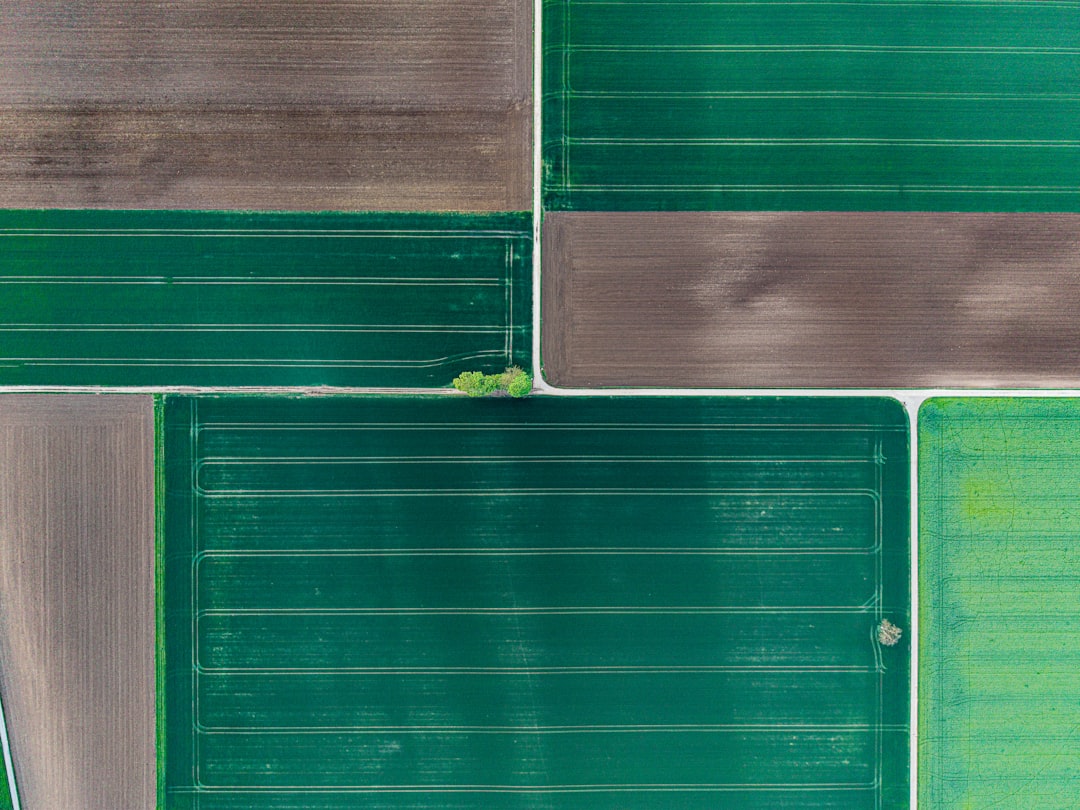
Satellite imagery shows crop health across large areas. Apps use vegetation indexes like NDVI to measure plant vitality.
4. Smart Machinery
Modern tractors and harvesters track planting density, yield rates, and fuel use. All of that data feeds into analytics platforms.
5. Weather Stations
On-site stations track rainfall, wind, humidity, and temperature. Hyper-local forecasts improve planning.
All this information comes together in one simple dashboard. That is the magic.
Why Farmers Love Analytics Apps
Because they solve real problems.
Better Water Management
Water is expensive and precious. Overwatering wastes money. Underwatering hurts crops. Apps show exactly when and where to irrigate.
Smarter Fertilizer Use
Too much fertilizer harms soil and profits. Too little reduces yield. Data helps farmers apply the right amount in the right place.
Early Problem Detection
Apps can spot disease, pest pressure, or nutrient deficiency early. Early action prevents large losses.
Improved Yields
More precise management usually means more consistent crops. That leads to better harvest results.
Cost Savings
Less waste. Fewer unnecessary inputs. Lower labor costs. Analytics keeps spending under control.
Popular Precision Agriculture Analytics Apps
There are many tools available today. Each has its own strengths. Below are some well-known platforms farmers often use:
- Climate FieldView
- Granular
- FarmLogs
- Ag Leader SMS
- Trimble Ag Software
Let’s look at what they offer.
Climate FieldView
This app focuses on field mapping and yield analysis. It connects easily to equipment. Farmers can see planting and harvest data in one place.
Granular
Granular combines agronomy insights with financial management. It is good for large operations. It tracks performance by field and by team.
FarmLogs
FarmLogs is known for being user-friendly. It offers satellite monitoring and profit tracking. Many small to mid-size farms like it.
Ag Leader SMS
This platform offers strong mapping and data analysis tools. It is popular among tech-savvy growers.
Trimble Ag Software
Trimble offers advanced guidance, water management tools, and detailed reporting.
Comparison Chart
| App | Best For | Key Features | Ease of Use | Ideal Farm Size |
|---|---|---|---|---|
| Climate FieldView | Yield tracking | Field maps, equipment integration, analytics dashboard | High | Medium to Large |
| Granular | Operational management | Financial tools, team tracking, field insights | Medium | Large |
| FarmLogs | Satellite monitoring | Crop health maps, profit analysis | Very High | Small to Medium |
| Ag Leader SMS | Advanced data analysis | Custom mapping, in-depth reports | Medium | Medium to Large |
| Trimble Ag Software | Water management | Irrigation control, GPS guidance, reporting | Medium | All Sizes |
How These Apps Monitor Soil Conditions
Soil is the foundation of farming. Healthy soil grows healthy crops. Analytics apps monitor soil in several ways.
Moisture Tracking
Sensors measure how much water is in the soil. Apps show this data in color-coded maps. Blue areas might mean wet soil. Red areas might signal dryness.
Image not found in postmetaNutrient Analysis
Some apps integrate lab test results. They show nitrogen, phosphorus, and potassium levels. Farmers can then create variable rate fertilizer plans.
Soil Temperature
Temperature matters during planting. Cold soil slows germination. Apps send alerts when conditions are just right.
Compaction Monitoring
Heavy machinery can compress soil. Some systems detect compaction zones. Farmers can adjust traffic patterns to protect field health.
Crop Health Monitoring Made Easy
Healthy crops have strong leaves and consistent color. Stressed crops do not. Analytics apps use vegetation indexes to measure plant vigor.
Common metrics include:
- NDVI (Normalized Difference Vegetation Index)
- Leaf area index
- Chlorophyll levels
Apps display this data as heat maps. Green usually means healthy. Yellow or red may indicate stress.
Image not found in postmetaThis allows farmers to walk directly to problem spots. No more guessing. No more random scouting.
The Power of Alerts and Automation
One of the best features is automatic alerts.
For example:
- “Soil moisture low in Field 3.”
- “Heavy rainfall expected tomorrow.”
- “Potential nitrogen deficiency detected.”
These notifications help farmers act fast. Some systems even trigger irrigation automatically. That saves time and reduces labor.
Environmental Benefits
Precision agriculture is not just good for profits. It is also good for the planet.
Reduced Water Waste
Targeted irrigation means less runoff.
Lower Chemical Use
Accurate fertilizer and pesticide application reduces environmental impact.
Healthier Soil
Data-driven decisions protect long-term soil vitality.
In short, analytics promotes sustainable farming.
Challenges to Consider
No system is perfect. There are still challenges.
- Initial cost of sensors and software.
- Learning curve for new technology.
- Internet connectivity issues in rural areas.
- Data security concerns.
However, many farmers find the long-term benefits outweigh the setup challenges.
The Future of Precision Agriculture Apps
The future looks exciting.
We are seeing:
- Artificial intelligence predicting yields more accurately.
- Machine learning identifying disease patterns faster.
- Robotics performing targeted weeding.
- Blockchain tracking crop data from seed to market.
Apps will become smarter. Interfaces will become simpler. And decisions will become even more precise.
Getting Started Is Easier Than You Think
Farmers do not need to adopt everything at once. Many start small.
Here is a simple path:
- Install a basic farm management app.
- Add soil moisture sensors in key fields.
- Use satellite imagery for crop monitoring.
- Gradually integrate machinery data.
Step by step, the farm becomes data-driven.
Final Thoughts
Precision agriculture analytics apps are like having a digital farm assistant. They watch the soil. They scan the crops. They track the weather. And they whisper useful advice into a farmer’s ear.
The result? Healthier fields. Better yields. Lower costs. And smarter farming decisions.
In a world where every drop of water and every inch of soil matters, these tools are not just helpful. They are powerful. And for many farmers, they are becoming essential.
Farming will always require hard work. But with the right analytics app, it also becomes a little bit easier. And a lot more precise.