Factories are getting smarter. Machines now talk to software. Data flows in real time. And behind this magic is something called a digital twin. Think of it as a living, breathing digital copy of a real-world machine, system, or factory. It helps teams test ideas, spot problems early, and improve performance without touching the physical equipment.
TLDR: Digital twin tools create virtual models of real machines and processes. They help companies predict failures, improve efficiency, and reduce downtime. PTC ThingWorx is popular, but it’s not the only player in the game. Below are five powerful alternatives that make industrial optimization smarter and easier.
Let’s explore five digital twin tools like PTC ThingWorx that help optimize industrial processes. We’ll keep it simple. And fun.
What Is a Digital Twin? In Plain English.
A digital twin is a virtual version of something real.
It could be:
- A wind turbine
- A factory line
- A car engine
- An entire warehouse
Sensors collect data from the real object. That data feeds into software. The software updates the digital version in real time.
This means you can:
- See problems early
- Test changes safely
- Predict breakdowns
- Reduce downtime
- Improve output
Now let’s look at five powerful tools that help make this happen.
1. Siemens Digital Industries Software (Teamcenter & NX)
Siemens is a giant in industrial tech. Their digital twin solutions combine design, simulation, and real-time data into one ecosystem.
It’s like having a control tower for your entire operation.
What makes it powerful?
- Advanced 3D simulation
- Full lifecycle management
- Real-time performance monitoring
- Deep integration with manufacturing systems

Siemens tools shine in complex industries like:
- Aerospace
- Automotive
- Heavy machinery
If your processes are large and layered, Siemens gives you serious control.
Best for: Big operations with complex production lines.
2. GE Digital (Predix Platform)
General Electric knows machines. Jets. Turbines. Power grids. So it makes sense they built a platform to monitor and optimize them.
Predix focuses heavily on industrial performance and asset health.
Key benefits:
- Strong predictive maintenance tools
- Industrial data analytics
- Cloud-based scalability
- Energy optimization features
Let’s say you manage wind turbines. Instead of waiting for failure, Predix can predict when a part will wear out.
You fix it before it breaks.
That saves time. And money.
Best for: Energy, utilities, and asset-heavy industries.
3. Microsoft Azure Digital Twins
Microsoft approaches digital twins from a cloud-first angle.
This tool lets companies model entire environments. Buildings. Factories. Even cities.
It connects IoT data with intelligent cloud analytics.
Why people love it:
- Strong AI integration
- Easy scalability
- Works well with existing Microsoft tools
- Powerful data visualization
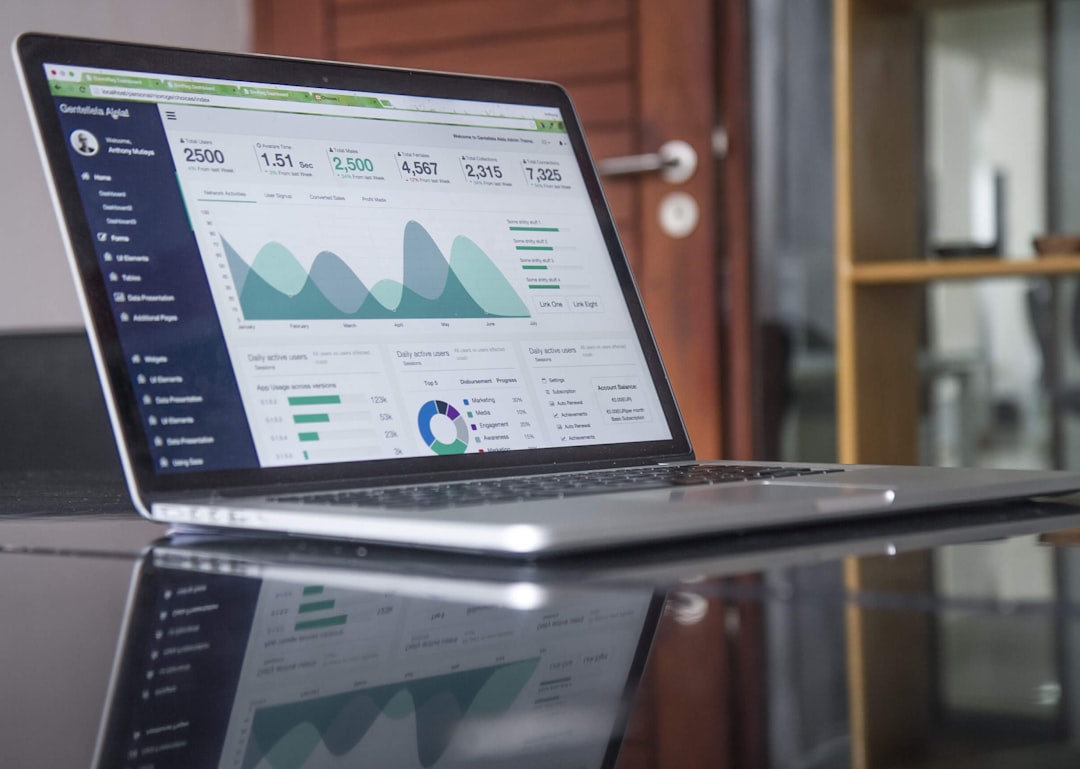
Azure Digital Twins helps answer questions like:
- Where is the bottleneck?
- Which machine causes delays?
- How can we reduce energy usage?
Because it’s cloud-based, teams across locations can collaborate in real time.
Best for: Companies already using Microsoft’s cloud ecosystem.
4. IBM Maximo Application Suite
IBM blends digital twins with strong asset management tools.
Maximo focuses heavily on maintenance, reliability, and AI-driven insights.
It’s like giving your maintenance team superpowers.
Main features:
- AI-powered predictive maintenance
- Visual asset monitoring
- Risk analysis tools
- Mobile-friendly dashboards
IBM uses machine learning to detect unusual behavior. Even small anomalies.
This means fewer surprises.
And less emergency repair chaos.

Best for: Maintenance-driven organizations and large facility operators.
5. Ansys Twin Builder
Ansys is known for engineering simulation. Their Twin Builder tool focuses on physics-based modeling.
This is deep-level simulation.
We’re talking about modeling airflow, heat transfer, stress loads, and electrical behavior.
Why it stands out:
- High-accuracy simulation models
- Real-time sensor data integration
- Works well for product development
- Supports complex engineering systems
This tool is powerful during design stages. Engineers can simulate years of stress within minutes.
It helps teams fix weaknesses before production even starts.
Best for: Engineering-heavy and performance-critical industries.
Quick Comparison Chart
| Tool | Primary Strength | Best For | Cloud Based | AI Integration |
|---|---|---|---|---|
| Siemens | Advanced simulation and lifecycle management | Large manufacturing operations | Partial | Yes |
| GE Digital Predix | Asset performance and energy optimization | Energy and utilities | Yes | Yes |
| Microsoft Azure Digital Twins | Scalable cloud modeling | Smart factories and facilities | Yes | Strong |
| IBM Maximo | Maintenance and reliability management | Asset-heavy industries | Yes | Strong |
| Ansys Twin Builder | Physics-based engineering simulation | Product design and engineering | Optional | Moderate |
How These Tools Actually Optimize Industrial Processes
Let’s break this down in simple terms.
1. They Reduce Downtime
Machines send constant data. The software detects warning signs early. Maintenance becomes planned instead of reactive.
2. They Increase Efficiency
You can test improvements virtually. No risk. No production delay.
3. They Improve Safety
Simulations allow teams to test extreme conditions without danger.
4. They Support Smarter Decisions
Real data beats guesses. Every time.
5. They Cut Costs
Fewer breakdowns. Less waste. Better resource planning.
How to Choose the Right Tool
Not every company needs the biggest system.
Ask yourself:
- How complex is our production line?
- Do we need deep engineering simulation?
- Are we focused more on maintenance or design?
- Are we already using a specific cloud provider?
Simple rule:
- If you want total factory lifecycle management → Siemens
- If energy performance matters most → GE Predix
- If you love cloud flexibility → Azure
- If maintenance is your biggest challenge → IBM Maximo
- If engineering accuracy is critical → Ansys
The Future of Digital Twins
Digital twins are only getting smarter.
AI is improving predictions. Edge computing is making data faster. 5G allows instant communication.
Soon, entire supply chains will have interconnected digital twins.
Imagine:
- A supplier delay automatically adjusting factory output
- Energy prices triggering smart usage patterns
- Machines ordering their own replacement parts
It’s not science fiction.
It’s happening now.
Final Thoughts
Digital twin tools are changing industrial operations.
They bring visibility. Control. And confidence.
PTC ThingWorx is strong. But it’s not alone. Tools like Siemens, GE Digital, Microsoft Azure, IBM Maximo, and Ansys Twin Builder all offer powerful ways to optimize performance.
The key is simple.
Use data wisely. Simulate before acting. Predict before reacting.
When you do that, factories stop being reactive environments.
They become intelligent systems.
And that’s where real optimization begins.