Batteries power everything from smartphones and laptops to electric vehicles and industrial equipment. Yet despite their widespread use, improper charging, overheating, and deep discharges continue to shorten their lifespan. Fortunately, modern battery management tools provide smarter ways to monitor, protect, and optimize battery performance. By using the right tools, individuals and businesses can reduce replacement costs, improve safety, and maintain consistent performance over time.
TLDR: Battery lifespan can be significantly extended with the help of smart management tools. Battery monitoring software, smart chargers, and thermal management systems are three essential solutions that prevent overcharging, overheating, and deep discharge. These tools offer real-time data, automation, and safety controls that optimize charging cycles and overall battery health. Investing in proper battery management means fewer replacements and better long-term performance.
Battery degradation occurs naturally over time due to chemical reactions inside the cells. However, poor charging habits, extreme temperatures, and neglecting maintenance accelerate this process. Advanced management solutions are designed to counter these issues by providing insight and automatic control. Below are three highly effective battery management tools that help extend battery lifespan.
1. Battery Monitoring Systems (BMS Software)
A Battery Monitoring System (BMS) is one of the most critical tools for maintaining battery health. It tracks key metrics such as voltage, current, temperature, state of charge (SoC), and state of health (SoH). By analyzing this data in real time, it prevents unsafe operating conditions and ensures balanced performance among individual cells.
How It Extends Battery Life:
- Prevents overcharging and over-discharging: Automatically disconnects power when limits are reached.
- Cell balancing: Ensures each cell in a battery pack charges and discharges evenly.
- Early fault detection: Identifies weak cells before they cause permanent damage.
- Data logging: Enables predictive maintenance and performance optimization.
Without a monitoring system, batteries often experience uneven charging. In multi-cell packs, some cells may become overstressed while others remain underused. Over time, this imbalance reduces capacity and increases the risk of failure. A BMS corrects these inconsistencies automatically.
Best applications: Electric vehicles, solar energy storage systems, industrial backup power supplies, and large battery arrays.
2. Smart Battery Chargers
Traditional chargers deliver a constant current or voltage without adapting to the battery’s condition. In contrast, smart battery chargers use microprocessors to adjust charging rates dynamically. They follow optimized charging algorithms such as multi-stage charging to maximize efficiency and longevity.
Most advanced smart chargers use three- or four-stage charging methods:
- Bulk Stage: Rapidly charges the battery to a set percentage.
- Absorption Stage: Slows charging to safely reach near full capacity.
- Float Stage: Maintains charge without overcharging.
- Maintenance Mode: Activates periodic top-offs if necessary.

How It Extends Battery Life:
- Eliminates overcharging damage by automatically stopping or reducing current.
- Reduces sulfation in lead-acid batteries with specialized maintenance cycles.
- Adapts to battery chemistry such as lithium-ion, AGM, or gel batteries.
- Optimizes charging speed without overheating cells.
Overcharging is one of the most common causes of reduced battery lifespan. Excess voltage generates heat and accelerates chemical wear. Smart chargers mitigate these risks by carefully regulating power delivery. For lithium-ion batteries, maintaining charge between 20% and 80% can significantly extend usable cycles, and many smart chargers are programmed to support such limits.
Best applications: Automotive batteries, marine batteries, RV systems, home solar storage, and consumer electronics.
3. Thermal Management Systems
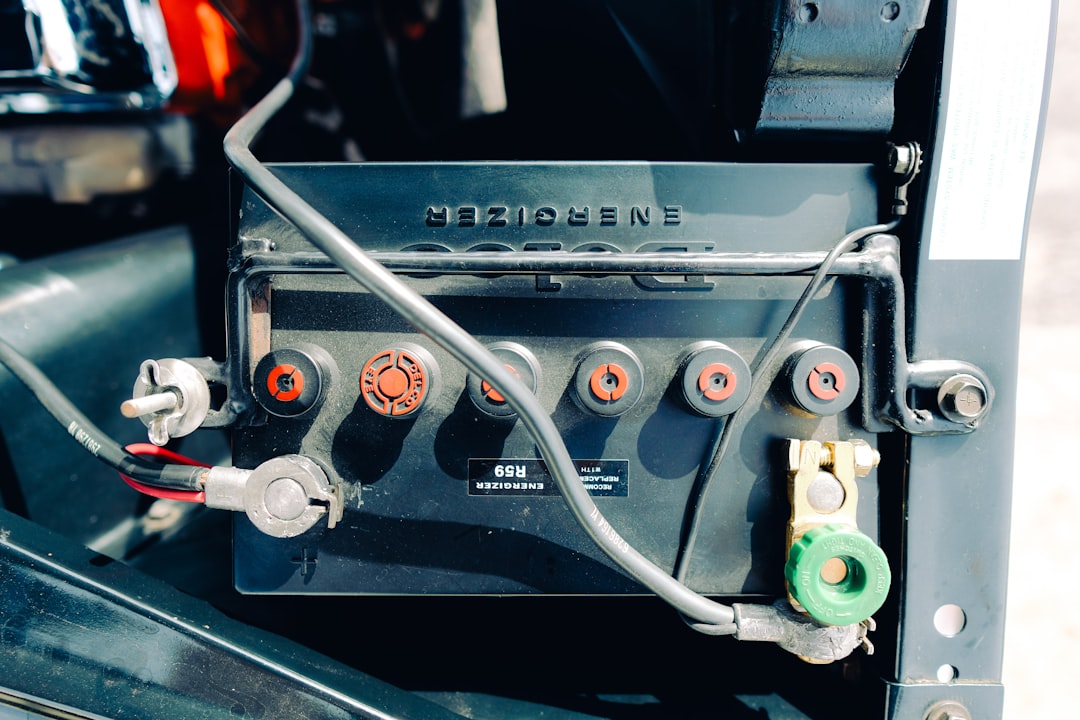
Heat is a major factor in battery degradation. High temperatures accelerate internal chemical reactions, while extreme cold reduces charging efficiency. Thermal management systems regulate battery temperature using cooling and heating technologies to maintain optimal operating conditions.
These systems may use:
- Air cooling systems
- Liquid cooling systems
- Phase change materials
- Active heating elements
How It Extends Battery Life:
- Prevents overheating during rapid charging or heavy load use.
- Maintains stable operating temperatures in extreme climates.
- Enhances safety by reducing the risk of thermal runaway.
- Improves charge efficiency under cold conditions.
In electric vehicles, effective cooling systems dramatically improve lifespan by maintaining ideal temperature ranges. Similarly, stationary storage systems in hot environments benefit from integrated cooling solutions that prevent accelerated wear.
Best applications: Electric vehicles, energy storage installations, high-performance electronics, and industrial battery systems.
Comparison Chart of Battery Management Tools
| Tool | Main Function | Key Benefit | Best For |
|---|---|---|---|
| Battery Monitoring System | Tracks voltage, temperature, and charge levels | Prevents overcharge and cell imbalance | EVs, solar storage, industrial systems |
| Smart Battery Charger | Adaptive multi-stage charging | Optimized charge cycles and reduced wear | Automotive, marine, consumer devices |
| Thermal Management System | Controls battery temperature | Reduces heat-related degradation | EVs, energy storage, high-demand systems |
Why Combining These Tools Matters
Each tool plays a different yet complementary role. A monitoring system provides visibility and protection. A smart charger ensures safe energy input. A thermal system safeguards environmental conditions. When used together, these tools create a comprehensive battery health strategy.
For example, in an electric vehicle:
- The BMS monitors individual cells.
- The smart charging system controls charging rates.
- The thermal management unit keeps temperatures stable.
By coordinating these systems, battery lifespan can be extended by hundreds — sometimes thousands — of charge cycles. This reduces long-term costs and improves operational reliability.
Additional Best Practices for Extending Battery Lifespan
While management tools are highly effective, proper usage habits further enhance their results:
- Avoid deep discharges whenever possible.
- Store batteries at moderate temperatures.
- Use manufacturer-recommended chargers.
- Keep firmware updated for smart systems.
- Perform periodic inspections for swelling or corrosion.
Combining good habits with modern management tools creates a powerful approach to maximizing battery lifespan.
Conclusion
Battery technology continues to evolve, but lifespan limitations remain a challenge without proper management. Battery Monitoring Systems, Smart Chargers, and Thermal Management Systems represent three of the most effective tools available today. They prevent common causes of degradation such as overheating, overcharging, and uneven cell performance.
By investing in these technologies, individuals and businesses not only extend battery lifespan but also improve performance, reliability, and safety. In an increasingly battery-dependent world, smart management is no longer optional — it is essential.
FAQ
1. What is the most important tool for extending battery lifespan?
A Battery Monitoring System is often considered the most crucial because it provides real-time data and prevents overcharging, deep discharge, and cell imbalance.
2. Do smart chargers really make a difference?
Yes. Smart chargers adjust charging rates and stop automatically when charging is complete, significantly reducing heat damage and overcharging stress.
3. How does temperature affect battery lifespan?
High temperatures accelerate chemical degradation, while extremely low temperatures reduce charging efficiency. Thermal management systems help maintain optimal temperature conditions.
4. Can these tools be used for all battery types?
Most modern systems support multiple chemistries, including lithium-ion, AGM, gel, and lead-acid batteries. However, compatibility should always be verified before installation.
5. Is a Battery Monitoring System necessary for small devices?
Many small devices already include built-in battery management. For larger systems like solar storage or EVs, a dedicated BMS is strongly recommended.
6. How much lifespan improvement can proper management provide?
With optimized charging, temperature control, and monitoring, batteries can last significantly longer — sometimes doubling their usable charge cycles depending on conditions.