For many years, Google Webmaster Tools offered a feature called Content Keywords, a report that showed the most common words Google found while crawling a website. It helped site owners understand whether Google was interpreting their pages as intended. When Google Search Console replaced Webmaster Tools and evolved into a more modern SEO platform, this feature disappeared, leaving many webmasters asking what replaced it and how keyword relevance should be checked today.
TLDR: The old Content Keywords report was not directly replaced by a single tool, but its purpose is now covered by several better features in Google Search Console and modern SEO platforms. Instead of counting repeated words, today’s tools focus on search queries, indexing, page performance, and user intent. For example, a site may find that 68% of its organic clicks come from only 12 search queries, which is far more useful than knowing the word “services” appears 400 times. Modern alternatives help site owners optimize for rankings, relevance, and conversions rather than simple keyword frequency.
What Was the Webmaster Tools Content Keywords Feature?
The Content Keywords feature was part of Google Webmaster Tools, the earlier version of Google Search Console. It listed words and phrases Google frequently detected across a website. If a business website focused on “accounting,” “tax,” and “payroll,” those terms ideally appeared near the top of the report.
The feature was useful because it gave website owners a basic way to check whether their site appeared thematically consistent. If irrelevant terms appeared prominently, it could indicate thin content, hacked pages, spam injections, duplicate templates, or poor site structure.
However, the report had major limitations. It did not show search rankings, clicks, impressions, or user intent. It also encouraged some users to focus too much on repetition instead of quality. As Google’s understanding of language improved, keyword counting became less important than context, entities, search behavior, and page usefulness.

Why Google Removed Content Keywords
Google removed the Content Keywords report because it no longer reflected how modern search works. Search engines now evaluate content using natural language processing, semantic relationships, structured data, page quality, and user satisfaction signals. A list of repeated words could not accurately represent whether a page deserved to rank.
Another reason was that the report was often misunderstood. Many site owners treated it as a keyword density tool, assuming that higher repetition meant better rankings. In reality, excessive repetition could make content look unnatural or low quality.
Google shifted toward reports that provide more actionable data. Instead of showing which words appear most often on a website, Search Console now shows how pages perform in actual Google Search results.
What Replaced the Content Keywords Feature?
There is no exact one-to-one replacement for Content Keywords. Instead, several modern tools now provide deeper insight into how Google sees and ranks a website.
1. Google Search Console Performance Report
The Performance report is the closest practical replacement. It shows the actual queries people use to find a website in Google Search. This includes:
- Clicks: how many users clicked through to the website.
- Impressions: how often pages appeared in search results.
- Average CTR: the percentage of impressions that became clicks.
- Average position: the typical ranking position for a query or page.
This information is far more valuable than a keyword frequency list. For example, if a page receives 10,000 impressions for “best CRM for small business” but only a 1.2% click-through rate, the problem may be the title tag or meta description rather than the page’s keyword usage.
2. URL Inspection Tool
The URL Inspection tool helps site owners see whether Google can crawl and index a specific page. It reports indexing status, canonical selection, mobile usability, and discovered structured data. While it does not show content keywords, it helps confirm whether Google can access the page that contains them.
This tool is especially useful after content updates. If a company rewrites a landing page to better target “cloud accounting software,” it can use URL Inspection to request reindexing and check whether Google successfully processed the new version.
3. Search Results and Snippet Analysis
Modern keyword analysis also happens directly in search results. By reviewing the pages Google already ranks for a topic, site owners can understand search intent. If the top results for a query are buying guides, a short product page may struggle. If the results are local service pages, a national blog post may not match intent.
This method replaces simple keyword counting with intent matching. A page should not merely include a phrase; it should satisfy the reason behind the search.
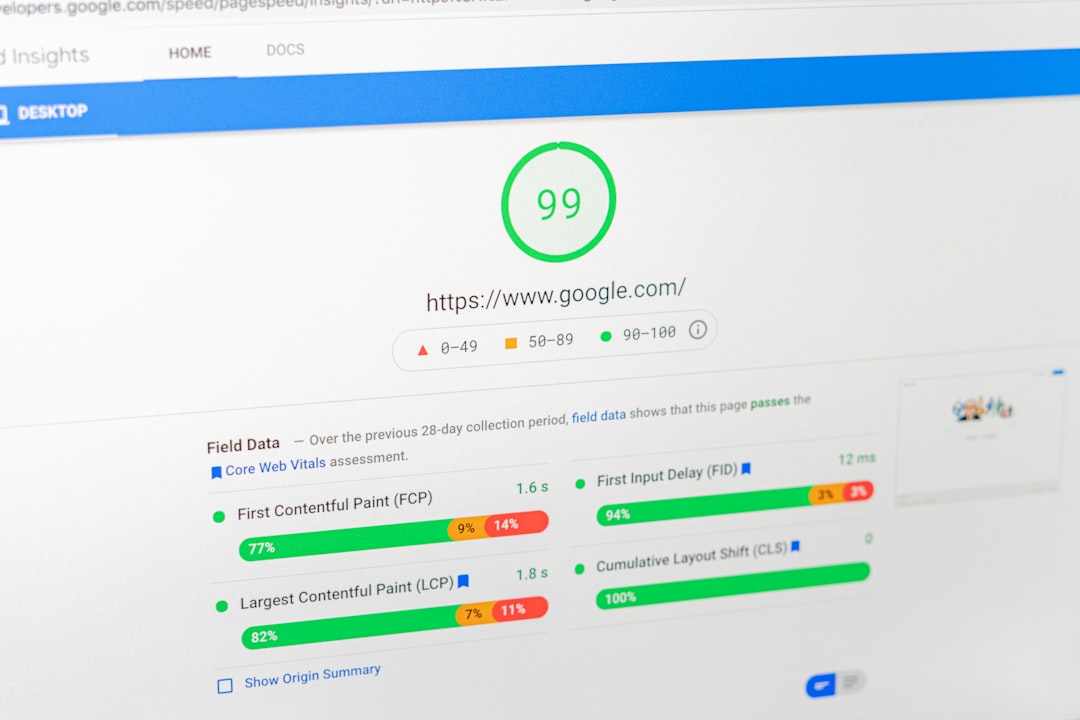
Modern Alternatives for Keyword and Content Analysis
Several tools and methods now provide better insight than the old Content Keywords report.
Keyword Research Platforms
SEO platforms such as Semrush, Ahrefs, Moz, and similar tools help analyze keyword difficulty, search volume, competing pages, and ranking opportunities. These tools allow site owners to identify which terms are worth targeting and how competitive those terms may be.
For example, a keyword with 5,000 monthly searches and high competition may be less attractive than a long-tail phrase with 600 searches and strong buyer intent. Modern SEO often values relevance and conversion potential over raw search volume.
On-Page SEO Tools
On-page analysis tools review titles, headings, internal links, content depth, related terms, and readability. Rather than asking whether a keyword appears a certain number of times, these tools evaluate whether the page covers a topic thoroughly.
A strong page about “email marketing automation” may also naturally include terms such as “segmentation,” “drip campaigns,” “open rates,” and “customer journeys.” These supporting terms help search engines understand topical depth.
Google Analytics 4
Google Analytics 4 does not replace Content Keywords directly, but it helps measure what happens after visitors arrive. If organic traffic increases but engagement drops, the content may be attracting the wrong audience. Metrics such as engaged sessions, conversions, and revenue can reveal whether keyword targeting is producing business value.
For instance, a blog post may bring 3,000 organic visits per month, but if only 0.3% of users convert, the site owner may need to adjust calls to action, content intent, or internal links.
Content Audits
A manual or tool-assisted content audit remains one of the best alternatives. During an audit, a website’s pages are reviewed for traffic, rankings, freshness, duplication, keyword focus, and conversion performance.
- Keep: pages that rank well and support business goals.
- Update: pages with declining rankings or outdated information.
- Merge: pages competing for the same keyword intent.
- Remove: thin, irrelevant, or low-value pages.

How Site Owners Should Evaluate Keywords Today
Modern keyword evaluation should combine several data sources. Search Console shows what Google users are already searching. SEO platforms reveal opportunities and competitors. Analytics tools show whether traffic creates meaningful outcomes. Together, these sources provide a more complete picture than Content Keywords ever did.
A practical workflow may look like this:
- Review top queries and pages in Google Search Console.
- Identify pages with high impressions but low CTR.
- Check whether the page matches search intent.
- Improve titles, headings, structure, and supporting content.
- Monitor clicks, rankings, and conversions over the next 30 to 90 days.
This approach helps site owners focus on measurable results. Instead of trying to make Google “see” a keyword more often, the goal becomes helping users find the right answer and take the next step.
Final Thoughts
The retirement of Webmaster Tools Content Keywords marked a shift in SEO from basic keyword frequency to deeper performance analysis. Although some webmasters missed the simplicity of the old report, modern alternatives provide much more useful information. Google Search Console, analytics platforms, keyword research tools, and content audits now help site owners understand not only what their content says, but how it performs in real search situations.
In modern SEO, the winning strategy is not to repeat keywords more often. It is to create content that is clear, relevant, technically accessible, and aligned with user intent.
FAQ
Did Google replace Content Keywords with another single report?
No. Google did not create a direct replacement. The feature’s role is now covered by Search Console’s Performance report, URL Inspection, indexing reports, and external SEO tools.
Where can site owners see which keywords bring traffic?
They can use the Performance report in Google Search Console. It shows search queries, clicks, impressions, click-through rate, and average position.
Is keyword density still important?
Keyword density is much less important than it once seemed. Search engines now focus on meaning, context, usefulness, and intent rather than exact repetition.
What is the best modern alternative to Content Keywords?
For most websites, the best alternative is a combination of Google Search Console, Google Analytics 4, and a keyword research platform. Together, they show visibility, traffic behavior, and opportunities.
Can irrelevant keywords still indicate a problem?
Yes. If a site ranks or appears for irrelevant queries, it may signal unclear content, poor targeting, hacked pages, or thin content. A content audit can help identify and fix the issue.