A part number is a unique code used to identify one exact item, component, assembly, or spare part. It prevents confusion when people buy, sell, build, store, repair, or reorder products. Standards bodies use similar identification logic for global trade items; for example, GS1 states that a GTIN identifies trade items that may be priced, ordered, or invoiced [source: GS1].
TLDR: A part number is a controlled identifier that tells a business exactly which item is being discussed. If a maintenance team needs bearing BRG-6205-ZZ, that code avoids guesses based on size, supplier name, or old notes. In a warehouse shipping 1,000 orders per week, cutting picking errors from 2% to 0.5% prevents about 15 wrong shipments every week. That means fewer returns, less downtime, and cleaner records.
What a Part Number Means
A part number is not just a random label. It is a formal reference used to identify a specific item in a system. That system may be an inventory database, an enterprise resource planning platform, a repair manual, a bill of materials, or a supplier catalog.
Part numbers can identify many things:
- Raw materials, such as steel sheet, plastic resin, or wire.
- Purchased parts, such as screws, motors, sensors, and bearings.
- Manufactured components, such as brackets, panels, circuit boards, or housings.
- Assemblies, such as a pump unit, control box, or gearbox.
- Service parts, such as filters, seals, belts, and replacement covers.
A good part number points to one definition. That definition should include the description, revision, unit of measure, drawings, approved suppliers, cost, stock level, and usage history.
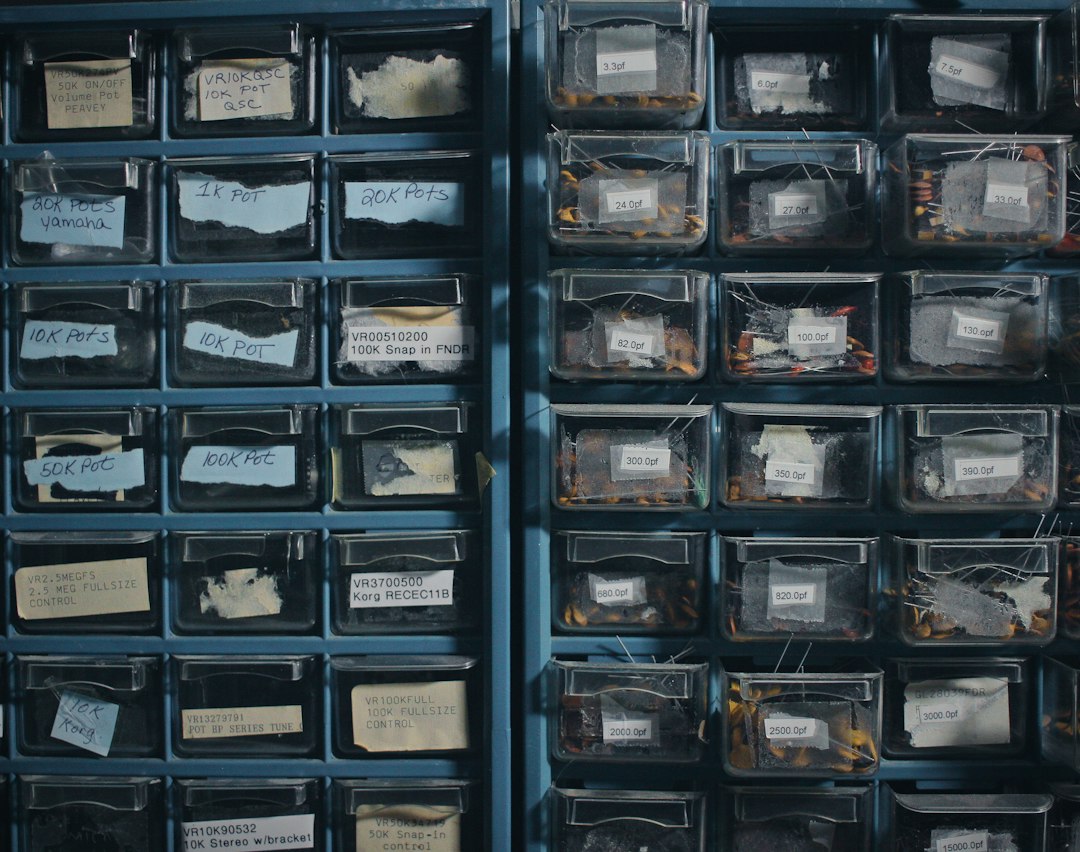
Why Part Numbers Matter
Part numbers matter because names are sloppy. One person says “M8 bolt.” Another says “hex screw.” A supplier says “cap screw.” A technician says “the long silver one.” That is where mistakes start.
It drives teams crazy when the same part appears under five names in five spreadsheets. A buyer orders the wrong item. Production stops. Finance sees duplicate records. Maintenance blames purchasing. The root cause is often simple: weak part numbering.
Clear part numbers support serious business controls:
- Accurate ordering: Buyers can request the exact item, not just a rough description.
- Inventory control: Stock counts become cleaner and easier to audit.
- Production planning: Bills of materials can be trusted.
- Maintenance speed: Technicians can find replacements faster.
- Cost tracking: Finance can see what each item costs over time.
- Quality control: Defects can be traced to specific items, batches, or revisions.
Part Number vs. SKU vs. Serial Number
These terms are related, but they are not the same.
- Part number: Identifies a type of part. Every identical item may share the same part number.
- SKU: A stock keeping unit used for selling, stocking, or warehouse control. Retail teams use this often.
- Serial number: Identifies one individual item. Two identical pumps may share a part number but have different serial numbers.
- Model number: Usually identifies a product family or version sold to customers.
- Barcode: A machine-readable format. It may encode a part number, SKU, serial number, or other data.
Here is a simple example. A company sells 500 identical cordless drills. They may all share the same part number for that drill body. Each unit may also have its own serial number for warranty tracking.
What a Part Number Can Include
Some part numbers are intelligent. That means the code contains meaning. Others are non-intelligent, also called sequential. That means the number is just the next available identifier.
An intelligent part number might look like this:
BRG-6205-ZZ-SS
- BRG may mean bearing.
- 6205 may refer to the size or family.
- ZZ may mean metal shields on both sides.
- SS may mean stainless steel.
A sequential part number might look like this:
1008472
It has no built-in meaning. The database holds the meaning instead.
Both methods can work. Intelligent numbers help humans recognize parts faster. Sequential numbers reduce the risk of messy codes when products change. Honestly, it feels like smart codes are useful until someone adds a new product category that does not fit the old pattern.
Image not found in postmetaWhat Makes a Good Part Number?
A strong part number is easy to use and hard to misunderstand. It should survive years of purchasing, engineering changes, software migrations, and staff turnover.
Good part numbers usually follow these rules:
- Unique: One part number should identify one item definition.
- Stable: Do not change it every time a supplier changes.
- Short enough: Long codes slow people down and increase typing errors.
- Consistent: Use the same structure across categories.
- Readable: Avoid confusing characters such as O and 0, or I and 1.
- System friendly: Avoid special characters that break imports, reports, or labels.
- Controlled: New numbers should be created through an approved process.
A weak part number creates hidden costs. Staff spend minutes searching for items. Buyers ask suppliers to confirm basic details. Engineers create duplicates because they cannot find existing records. Those minutes add up across hundreds of orders and thousands of parts.
Where Part Numbers Are Used
Part numbers appear across most industrial and commercial operations. They connect departments that often speak different languages.
- Engineering: Drawings, CAD files, specifications, and bills of materials.
- Purchasing: Requests for quotes, purchase orders, and supplier contracts.
- Warehousing: Bin labels, cycle counts, picking lists, and receiving checks.
- Manufacturing: Work orders, assembly instructions, and quality checks.
- Maintenance: Spare parts lists, repair logs, and asset records.
- Customer support: Replacement parts, warranty claims, and product service.
Without shared part numbers, every department builds its own version of reality. That is when a “small” data problem becomes a stockout, a rush order, or a rejected shipment.
Common Part Numbering Mistakes
The most common mistake is allowing duplicate records. For example, one gasket might be entered as GSK-1002, Gasket 1002, and Seal Ring A. The system then shows three items when only one exists.
Another mistake is putting too much meaning into the code. If the part number includes supplier, material, color, size, location, project, and revision, it becomes fragile. One detail changes and the whole code looks wrong.
Companies also get into trouble when they reuse old numbers. Never assign an old part number to a new item. It contaminates history. Past orders, quality records, and stock movements become unreliable.

How to Manage Part Numbers Well
Good management starts with ownership. Someone must approve new numbers, check for duplicates, and maintain naming rules. This may be engineering, operations, master data, or a product data management team.
A practical process should include:
- Search first: Check whether the part already exists.
- Use a naming standard: Keep descriptions structured and clear.
- Assign one number: Create a single approved identifier.
- Add complete data: Include drawings, specs, supplier details, and units.
- Control revisions: Separate design changes from simple record edits.
- Audit regularly: Find duplicates, obsolete items, and incomplete records.
A part number may look small, but it protects the chain between design, purchasing, stock, production, service, and finance. When it is clear, teams move faster and make fewer costly mistakes. When it is poor, people guess. And guessing with inventory is rarely cheap.