SE Ranking is the better budget SEO platform for most small teams because it gives you more tools in one place: rank tracking, audits, backlink checks, reporting, competitor research, and content help. Mangools is better if you mainly care about keyword research and simple rank tracking, especially as a solo blogger, affiliate marketer, or beginner who wants less clutter.
TLDR: Pick SE Ranking if you manage client sites, need reports, or want technical audits without paying for several tools. Pick Mangools if your budget is tight and your workflow is mostly “find keywords, check SERPs, track rankings.” For example, a freelance SEO managing 5 local business sites may save hours with SE Ranking’s audits and white label reports, while a blogger publishing 8 articles per month may get enough value from Mangools at a lower monthly cost.
Quick verdict: SE Ranking wins for management, Mangools wins for simplicity
Both platforms are underrated because they sit below the loudest names in SEO software. They are not as famous as Ahrefs or Semrush, but they cost less and still cover a lot of everyday SEO work.
The difference is simple. SE Ranking feels like a full SEO command center. It is built for people who need to monitor multiple sites, fix issues, track progress, and send reports. Mangools feels like a clean keyword research suite. It is friendly, fast, and much easier to learn.
If your smaller budget still needs to cover serious SEO management, SE Ranking gives you more room to grow. If you only need keyword ideas and simple ranking checks, Mangools may be the smarter buy.

Pricing: Mangools starts friendlier, SE Ranking stretches further
Mangools usually has the more approachable entry price, especially when billed annually. That makes it attractive for bloggers, side projects, and small affiliate sites. You pay for a simple set of tools: KWFinder, SERPChecker, SERPWatcher, LinkMiner, and SiteProfiler.
SE Ranking often costs more at the entry level, but it includes broader SEO management features. You get rank tracking, website audit, backlink monitoring, competitor research, on page SEO checks, marketing plans, and reporting tools depending on the plan.
The real question is not “Which is cheaper?” It is “Which one replaces more tools?”
- Choose Mangools if you want low-cost keyword research and basic tracking.
- Choose SE Ranking if you would otherwise pay for a crawler, reporting tool, rank tracker, and competitor checker separately.
For agencies or freelancers, SE Ranking often becomes the better deal because it reduces tool switching. For one site owners, Mangools can feel lighter and less wasteful.
Keyword research: Mangools is faster, SE Ranking is deeper
Mangools built its reputation on KWFinder, and it still shines there. The interface is clean. Keyword difficulty is easy to read. Search volume, trends, CPC, and SERP overview are presented without much friction. Beginners can understand it in minutes.
Honestly, it feels like Mangools respects your patience. You type a seed keyword, scan suggestions, check the SERP, and move on. There is not much setup. There are not ten tabs begging for attention.
SE Ranking’s keyword research is stronger for broader planning. It gives keyword suggestions, search volume, difficulty scores, competitor terms, SERP data, and grouping options. It is better when you need to build a full content plan across many pages.
Still, SE Ranking can feel busier. Expect to spend a little more time filtering and sorting. That is not a huge problem, but beginners may prefer Mangools for the first few weeks.
Rank tracking: SE Ranking is better for serious monitoring
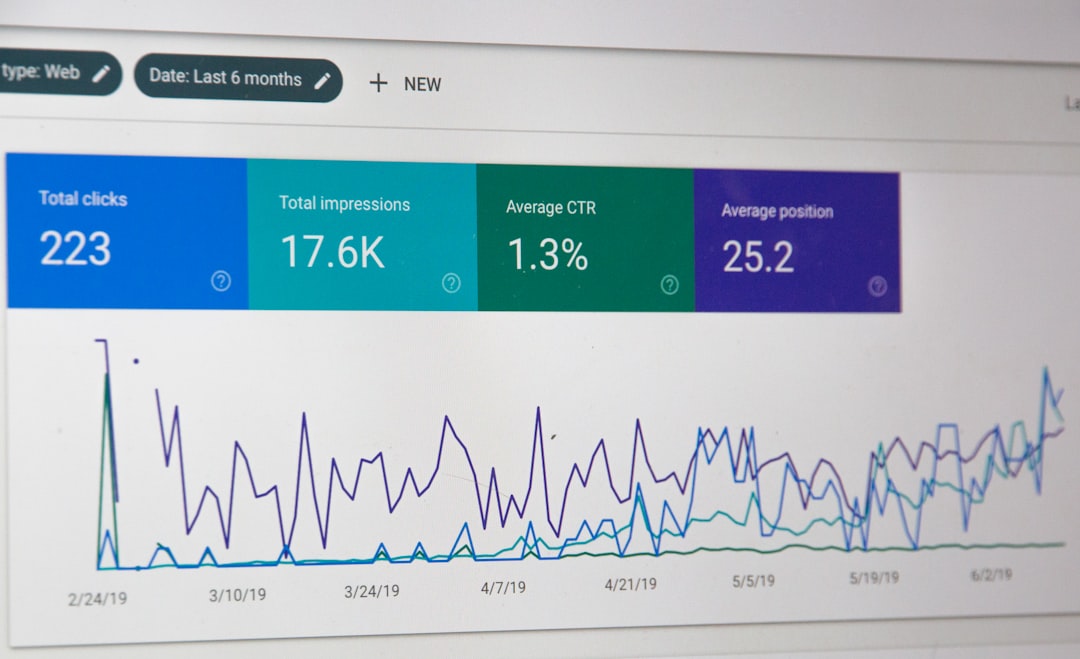
Rank tracking is one of SE Ranking’s strongest features. It supports different search engines, locations, devices, and tracking frequencies depending on your plan. This matters for local SEO. A plumber in Denver and a dentist in Austin do not need national averages. They need location-specific results.
Mangools’ SERPWatcher is pleasant and simple. It shows ranking movement, estimated traffic changes, and visibility trends. For one site, it works well. For many sites, it starts to feel limited.
SE Ranking is better when you need:
- Daily position checks for many keywords.
- Local rank tracking by city or region.
- Client-ready ranking reports.
- Competitor ranking comparisons.
If rankings are the main metric you report to clients, SE Ranking is the safer choice.
Site audits: SE Ranking has a clear edge
This is where the gap gets wider. SE Ranking includes a real website audit tool that checks crawlability, broken links, duplicate content, redirects, page speed issues, meta tags, headings, Core Web Vitals signals, and more.
Mangools does not compete as a technical SEO audit platform. It has SiteProfiler, which gives a high-level view of authority, backlinks, and competitors. Useful? Yes. A crawler replacement? No.
It drives me crazy when a tool gives you keyword ideas but leaves you blind on basic technical issues. You can write brilliant content, but if half your important pages have bad canonical tags or slow load times, you are still stuck.
For small business SEO, site audits matter. Many smaller sites have messy plugins, thin pages, missing titles, oversized images, and broken internal links. SE Ranking helps catch those problems before they quietly drain traffic.
Backlink tools: neither is elite, but both are useful
Neither platform has the backlink depth of the biggest SEO suites. That is expected at this price level. Still, both offer useful backlink data.
Mangools LinkMiner is easy to use. It helps you inspect backlinks, evaluate link strength, and review referring domains. It is especially handy for quick competitor link checks.
SE Ranking offers backlink checking and backlink monitoring. The monitoring feature is useful if you build links and want alerts when links disappear. That small detail matters for agencies and consultants. Lost links can mean lost rankings, and clients rarely enjoy finding that out late.
For casual backlink research, Mangools is fine. For ongoing link tracking across projects, SE Ranking is stronger.
Competitor research: SE Ranking gives you more business context
Mangools is good at SERP-level competitor checks. You can open a keyword, inspect ranking pages, compare authority metrics, and judge whether the keyword is realistic. That is great for content planning.
SE Ranking goes broader. It helps compare organic competitors, paid competitors, ranking keywords, traffic estimates, and top pages. This is more useful when you are planning a campaign, not just one article.
Say you manage SEO for a small ecommerce store. Mangools can help you find product guide keywords. SE Ranking can help you see which competitors own those terms, which pages bring traffic, what keywords overlap, and where your site is falling behind.
Reporting: SE Ranking is built for clients
If you report to clients, SE Ranking is the clear winner. It offers scheduled reports, customizable templates, ranking summaries, audit data, traffic data, and white label options on certain plans.
Mangools reports are simpler. They work for personal tracking, but they are not as strong for client communication. If you need branded monthly PDFs with rankings, audit fixes, and progress charts, SE Ranking saves time.
This matters more than people admit. Manual reporting can eat two or three hours per client each month. With five clients, that becomes 10 to 15 hours. A cheaper tool is not really cheaper if it turns reporting into a weekend chore.
Ease of use: Mangools is cleaner for beginners
Mangools wins on ease of use. The design is friendly. The tools are separated clearly. KWFinder does keyword research. SERPChecker checks search results. SERPWatcher tracks rankings. The naming is simple, and the learning curve is short.
SE Ranking is not hard, but it has more menus and more settings. That is the price of having more features. Small agencies will appreciate the control. Beginners may need a few sessions before it feels natural.
Best use cases
SE Ranking is best for:
- Freelancers managing several client websites.
- Small agencies needing audits and reports.
- Local SEO campaigns with location-based tracking.
- Small businesses that want one SEO platform instead of several tools.
- Teams that need technical SEO checks, not just keyword ideas.
Mangools is best for:
- Bloggers building content plans.
- Affiliate marketers researching low-competition terms.
- Solo founders who want simple SEO data.
- Beginners who dislike crowded dashboards.
- Users who mostly care about keyword research and SERP analysis.
Final verdict: which one should you buy?
Choose SE Ranking if SEO is something you manage every week across multiple pages, sites, or clients. It gives you more complete tracking, stronger audits, better reporting, and broader competitor research. For a smaller budget, it acts more like a full SEO operations tool.
Choose Mangools if you want SEO to feel simple. It is excellent for finding keywords, checking ranking difficulty, reviewing SERPs, and tracking a focused set of terms. It will not replace a technical audit tool, but it is pleasant and practical for content-led SEO.
So, which underrated SEO platform is better? SE Ranking is better for managing SEO on a smaller budget. Mangools is better for doing focused keyword research on an even tighter budget. If you run client campaigns or need proof of progress, go with SE Ranking. If you are publishing articles and watching rankings grow, Mangools may be all you need.