A DoS attack uses one source to knock a service offline, while a DDoS attack uses many sources at once, making it harder to block and usually more damaging. Both aim to exhaust servers, apps, bandwidth, or security devices until real users cannot connect. The difference sounds small, but in real incidents it changes everything: detection, response time, cost, and recovery.
TLDR: A DoS attack is like one person blocking a shop door, while a DDoS attack is like 10,000 people crowding every entrance at once. For example, if an online store normally handles 5,000 requests per minute, a DDoS attack may slam it with 500,000 requests per minute from hijacked devices. In one user case, a small gaming server with 200 regular players could be forced offline for hours by a rented botnet costing the attacker less than a dinner.

What Is a Denial of Service Attack?
A Denial of Service attack is an attempt to make a system unavailable. The target may be a website, game server, payment gateway, API, VPN, or email service. Attackers do this by sending more traffic, requests, or malformed data than the target can process.
The goal is not always to steal data. Sometimes the point is pure disruption. A rival may want a store offline during a sale. A troll may attack a livestream. A criminal group may demand payment to stop the flood. It’s maddening because nothing may be “hacked” in the classic sense, yet the business still bleeds money.
DoS attacks often focus on one or more weak points:
- Bandwidth: The internet connection fills up, so valid traffic cannot get through.
- Server CPU or memory: The machine spends all its time processing junk.
- Application logic: Expensive pages, searches, or login forms get abused.
- Network devices: Firewalls, routers, and load balancers hit their limits.
DoS vs DDoS: The Core Difference
A DoS attack usually comes from a single source or a small number of sources. It might be one computer sending repeated requests. It might be one script hammering a login page. Because the source is limited, blocking it can be straightforward. A firewall rule, rate limit, or IP block may stop the attack quickly.
A DDoS attack stands for Distributed Denial of Service. “Distributed” is the key word. The traffic comes from many systems at once. These systems may be infected home routers, compromised servers, unsecured cameras, cloud instances, or malware-infected PCs. Together, they form a botnet.
The catch is that DDoS traffic often looks spread out and messy. Blocking one IP address does very little. Blocking a whole country may hurt real customers. Blocking too much too fast can create self-inflicted downtime, which is the security version of locking your keys inside the car.

How a DoS Attack Works
A basic DoS attack may be simple. An attacker writes a script that sends thousands of requests per second to a target. The server tries to reply to each one. As the workload rises, pages slow down. Then pages time out. Eventually, the service fails.
Common DoS methods include:
- HTTP floods: Repeated web requests target pages, forms, or APIs.
- SYN floods: Half-open TCP connections pile up and waste resources.
- Malformed packets: Bad network data may crash weak systems.
- Slow attacks: Connections stay open for a long time and drain capacity.
DoS attacks are smaller than DDoS attacks, but they still hurt. A poorly protected admin portal, small business site, or test server can go down from one strong machine. The impact depends on capacity. A cheap virtual server may fail under traffic that a larger platform would barely notice.
How a DDoS Attack Works
A DDoS attack scales the same idea across many machines. Instead of one source pushing traffic, thousands do it together. Some attacks reach hundreds of gigabits per second. Large attacks can pass 1 terabit per second, which is far beyond what most organizations can absorb alone.
DDoS attacks often use reflection and amplification. In these cases, attackers spoof the victim’s IP address and send small requests to poorly configured servers. Those servers reply to the victim with larger responses. DNS, NTP, SSDP, and memcached systems have all been abused this way.
This creates a nasty multiplier effect. A small request can trigger a much larger response. Attackers spend less bandwidth. Victims receive a flood. Defenders then waste precious minutes sorting real user traffic from garbage.
Why Attackers Use These Attacks
Motives vary. Some are childish. Some are serious. A few are business-ending.
- Extortion: Attackers demand payment to stop the outage.
- Competition: A rival service may be attacked during peak hours.
- Hacktivism: Groups target brands, governments, or public figures.
- Distraction: A flood may hide fraud, account takeover, or data theft.
- Revenge: Angry users or banned players attack communities.
Honestly, it feels like the lowest-effort way to cause maximum disruption. Many attackers do not need deep skill. They can rent attack tools, buy access to botnets, or use public stressor services pretending to be “testing” tools.
Signs You May Be Under Attack
Not every slowdown is an attack. Bad code, a marketing campaign, or a viral post can also crush systems. Still, some signs stand out.
- Traffic spikes far above normal patterns.
- Many requests come from odd regions or unknown networks.
- One endpoint, such as login or search, gets hammered.
- CPU, memory, or connection counts rise sharply.
- Users report timeouts while internal systems appear healthy.
- Firewall or load balancer logs fill up with repeated patterns.
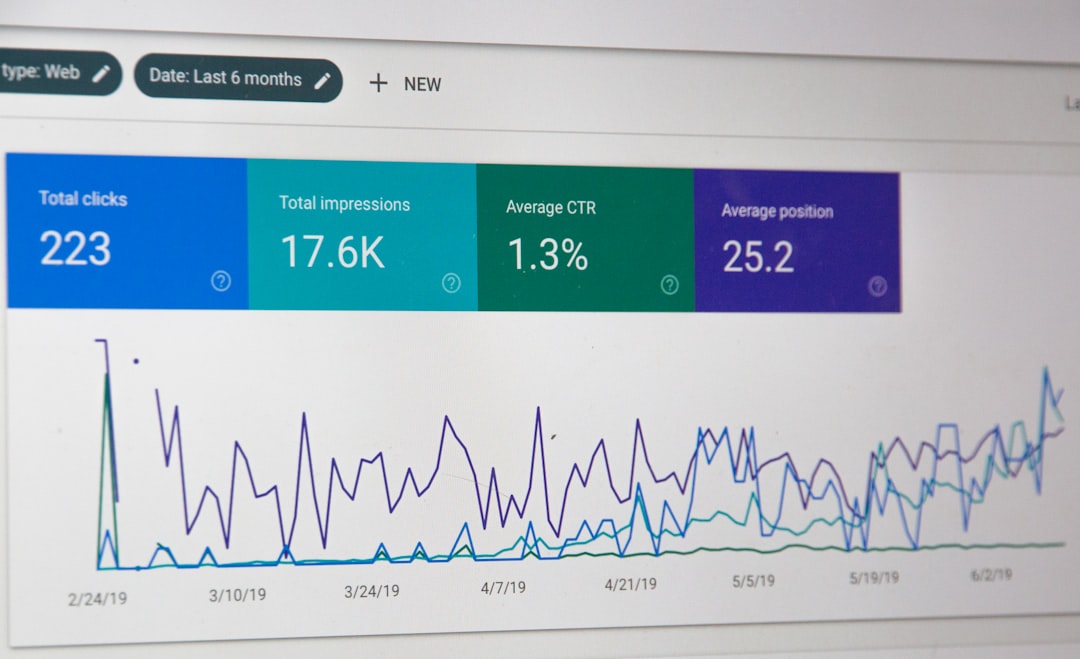
A useful clue is the gap between real activity and server load. If sales stay flat but requests rise by 900%, something is off. If one API path suddenly receives 80% of all traffic, check it fast.
How to Reduce the Risk
No single tool stops every attack. Good defense uses layers. Start with the basics, then add stronger controls as risk grows.
- Use a CDN: Content delivery networks absorb traffic closer to users and hide origin servers.
- Enable DDoS protection: Many cloud providers offer scrubbing and traffic filtering.
- Rate limit requests: Stop one user, IP, or token from making endless calls.
- Protect expensive endpoints: Add caching, CAPTCHA, queues, or stricter rules for login and search.
- Monitor baselines: Know normal traffic by hour, day, and region.
- Prepare a response plan: Decide who calls the host, CDN, ISP, and security team.
- Test failover: Backups are useless if nobody has proven they work.
Which One Is More Dangerous?
DDoS is usually more dangerous because it is larger, harder to filter, and harder to trace. A DoS attack may be stopped by blocking one visible source. A DDoS attack may involve tens of thousands of sources, many of them real consumer devices on normal networks.
Still, do not dismiss DoS. A single attacker can still break a weak service. Small teams often ignore rate limits, logging, and capacity planning until the first outage. Expect to waste time on noisy logs and vague alerts if monitoring was an afterthought.
Final Takeaway
DoS and DDoS attacks share the same goal: deny access to legitimate users. The difference is scale and source count. DoS is concentrated. DDoS is distributed. Both can hurt revenue, trust, and operations, but DDoS demands stronger preparation because blocking it is rarely simple.
The smartest move is to plan before traffic turns hostile. Use layered defenses, monitor normal behavior, and protect the parts of your service that cost the most to process. When an attack hits, speed matters. The team that knows its baseline, providers, and response steps will recover faster.