For B2B brand awareness, LinkedIn should usually create the first spark, while HubSpot should turn that attention into remembered, measurable demand. LinkedIn is stronger for reaching buyers who do not know the brand yet. HubSpot is stronger for nurturing those people with content, email, landing pages, forms, and reporting once they engage. The best teams do not treat this as HubSpot versus LinkedIn. They use LinkedIn to earn attention and HubSpot to make that attention useful.
TLDR: LinkedIn is better for fast B2B visibility because it reaches decision-makers by job title, company size, industry, and seniority. HubSpot is better for tracking awareness signals and building repeat touches through email, content, forms, workflows, and CRM data. For example, a 60-person cybersecurity SaaS company might run LinkedIn thought leadership ads to 80,000 IT leaders, then send all engaged traffic into HubSpot landing pages; if 2.8% convert and 18% later open nurture emails, brand recall becomes easier to grow and measure. The smartest awareness plan uses both, with LinkedIn at the top of the funnel and HubSpot behind the scenes.
HubSpot vs LinkedIn: What Each Platform Does Best
LinkedIn is a distribution engine. It helps B2B brands appear in front of the right professional audience. It is useful for sponsored posts, founder content, employee advocacy, thought leadership ads, document ads, video ads, and event promotion.
HubSpot is a relationship and measurement system. It helps teams capture interest, score engagement, send follow-up content, manage contact records, and report on campaign impact. It is not mainly where cold audiences discover a brand. It is where early awareness can become familiarity.
That difference matters. Brand awareness is not just impressions. It is repeated exposure, recognition, trust, and memory. LinkedIn creates many of those first impressions. HubSpot shows whether those impressions are producing website visits, content downloads, email engagement, meeting requests, and pipeline influence.
When LinkedIn Wins for B2B Brand Awareness
LinkedIn usually wins when the goal is net-new reach. A niche B2B brand can target chief revenue officers, plant managers, IT directors, HR buyers, or procurement leaders without waiting for search traffic to grow.
Strong LinkedIn awareness tactics include:
- Thought leadership ads: Promote posts from executives, subject experts, or founders. These often feel more human than company ads.
- Document ads: Share benchmark reports, checklists, or short guides without asking for too much too soon.
- Video clips: Use short expert clips to explain a problem buyers already care about.
- Employee advocacy: Encourage sales, support, and leadership teams to share useful posts from personal profiles.
- Retargeting: Re-engage people who watched videos, opened forms, visited the website, or interacted with posts.
LinkedIn can be expensive. Cost per click can be painful in competitive B2B categories. Honestly, it feels like every useful audience filter adds cost and every weak creative choice burns budget faster. Still, the targeting quality is hard to match.
LinkedIn also works well when a brand needs credibility. If a buyer sees a founder explain a market problem, then sees three employees comment with useful points, the brand starts to feel present. That repeated visibility is the real value.
When HubSpot Wins for B2B Brand Awareness
HubSpot wins after someone notices the brand. It helps the company stay present without relying only on paid media. This is where owned channels matter.
Strong HubSpot awareness tactics include:
- Landing pages: Build pages for reports, webinars, comparison guides, and industry resources.
- Email nurture: Send useful follow-up based on the topic a contact engaged with.
- Smart lists: Group contacts by source, industry, lifecycle stage, or content interest.
- Lead scoring: Track signs of deeper awareness, such as repeat visits or multiple content views.
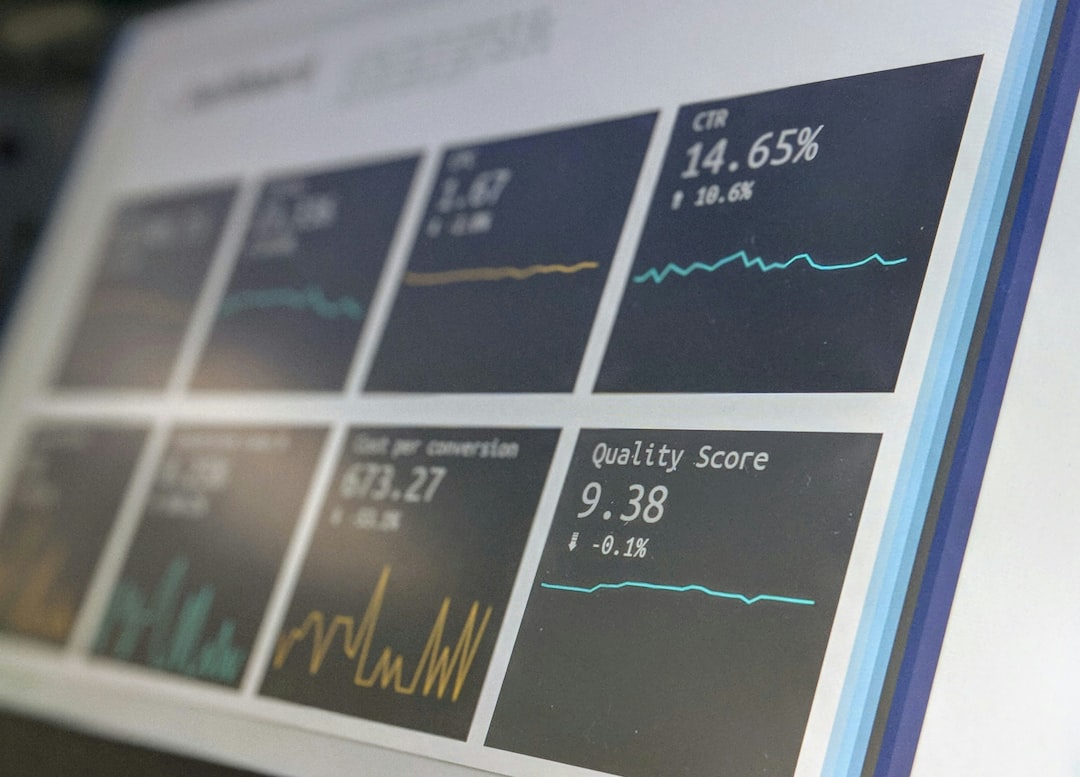
- Campaign reporting: Connect page views, form fills, emails, meetings, and revenue influence.
HubSpot is not perfect. Expect to waste time on setup if naming rules, UTMs, forms, and workflows are messy. A simple campaign report can become annoying when five people use five different campaign names. But once the system is clean, it gives teams a much better view of brand lift signals.
For awareness, HubSpot should not be judged only by lead count. Better signals include returning visitors, direct traffic growth, email engagement, branded search increases, webinar attendance, and content consumption by target accounts.
The Best Split: Use LinkedIn for Reach, HubSpot for Memory
A practical B2B brand awareness plan could work like this:
- Publish strong point-of-view content on LinkedIn. The message should focus on a buyer pain, not product features.
- Promote the best posts to a tight audience. Target by role, industry, company size, and seniority.
- Send engaged visitors to HubSpot pages. Offer a guide, webinar, calculator, or benchmark report.
- Segment contacts by interest. A CFO and an operations leader should not receive the same nurture path.
- Measure repeat engagement. Track who comes back, opens emails, views pricing, or attends events.
This approach keeps LinkedIn from becoming a vanity channel. It also keeps HubSpot from sitting quietly as a database that only sales checks when a contact is “ready.”
Content Strategy: What to Post and What to Capture
LinkedIn content should be short, sharp, and opinionated. Generic posts vanish. The best awareness posts usually include a clear stance, a data point, a myth, or a practical lesson from the field.
Examples include:
- “Why most onboarding software fails after 90 days.”
- “The hidden cost of manual compliance reviews.”
- “What 300 sales calls revealed about procurement delays.”
HubSpot content should go deeper. If LinkedIn earns attention in 30 seconds, HubSpot should hold attention for three to eight minutes. Strong assets include original research, buyer guides, ROI calculators, webinar replays, and industry-specific email courses.

Metrics That Matter
LinkedIn metrics can show whether the market is seeing and reacting to the brand. HubSpot metrics can show whether that reaction continues.
LinkedIn awareness metrics:
- Impressions among target buyers
- Video completion rate
- Engagement rate
- Follower growth from relevant roles
- Click-through rate to owned content
HubSpot awareness metrics:
- Returning website visitors
- Branded traffic growth
- Content downloads by target account
- Email open and click rates
- Contacts engaging with three or more assets
A solid benchmark might look like this: LinkedIn reaches 120,000 targeted professionals in a quarter, 3,600 click through to HubSpot pages, 140 convert on content, and 32 accounts show repeat engagement. That does not prove revenue by itself. It does show the brand is reaching the right people and earning more than a glance.
Which Platform Should Get More Budget?
If the brand is unknown, more budget should usually go to LinkedIn at first. It needs reach. If the brand already has traffic but weak conversion and weak follow-up, HubSpot deserves more attention.
A balanced starting split for many B2B teams is 60% LinkedIn and 40% HubSpot-related content, operations, and nurture work. After 90 days, the team should adjust based on audience quality, returning visits, sales feedback, and account engagement.
The key is sequence. LinkedIn gets the brand seen. HubSpot helps the brand get remembered. One without the other often feels incomplete.
FAQ
Is LinkedIn better than HubSpot for B2B brand awareness?
LinkedIn is better for reaching new B2B audiences. HubSpot is better for tracking, nurturing, and organizing that attention after people engage.
Can HubSpot build brand awareness by itself?
Yes, but usually more slowly. HubSpot supports awareness through blogs, landing pages, email, forms, and CRM tracking. It still needs traffic sources such as LinkedIn, search, partners, events, or referrals.
What is the biggest mistake with LinkedIn awareness campaigns?
The biggest mistake is promoting bland product messages to broad audiences. Strong campaigns focus on buyer problems, fresh insights, and clear points of view.
What is the biggest mistake with HubSpot awareness campaigns?
The biggest mistake is poor tracking. If UTMs, campaign names, lists, and forms are inconsistent, reporting becomes messy and trust in the data drops.
How long does B2B brand awareness take to improve?
Most teams need at least 90 days to see useful signals. Stronger signs often appear over six to twelve months, especially in long B2B sales cycles.