Labrika is the best pick for website optimization workflows, while Ahrefs is better for off-page SEO and Semrush is best for mixed marketing teams. Labrika wins when the main job is fixing pages, cleaning technical issues, and improving content step by step. Ahrefs has a huge backlink database, with Ahrefs reporting 35 trillion external backlinks in its index [source: Ahrefs]. Semrush offers the widest toolkit, but that also means more menus, more setup, and more noise.
TLDR: Labrika is the smoothest choice for teams that want clear website optimization tasks without digging through ten reports. For example, a 500-page service site could use Labrika to group 240 technical and content issues into priority lists, then fix the top 20% first for faster gains. Ahrefs is stronger if 60% of the SEO work is link research and competitor content gaps. Semrush is the safer all-in-one option for agencies managing SEO, PPC, and reports in one place.
Best overall workflow: Labrika
Labrika feels built for people who need to fix a website, not admire charts. Its main strength is the way it turns audits into plain tasks. It checks technical SEO, page quality, content relevance, metadata, internal linking, Core Web Vitals signals, and ranking factors in one flow.
The useful part is the order. Labrika does not just say “there are problems.” It explains what should be fixed and why it matters. That helps small teams avoid the usual mess where a crawler dumps 1,000 warnings and everyone pretends to be busy.
Honestly, it feels like many SEO tools punish users for wanting a simple answer. Labrika is less guilty of that. It gives page-level advice, often with clear optimization hints. Writers, developers, and SEO managers can all act on the same report.
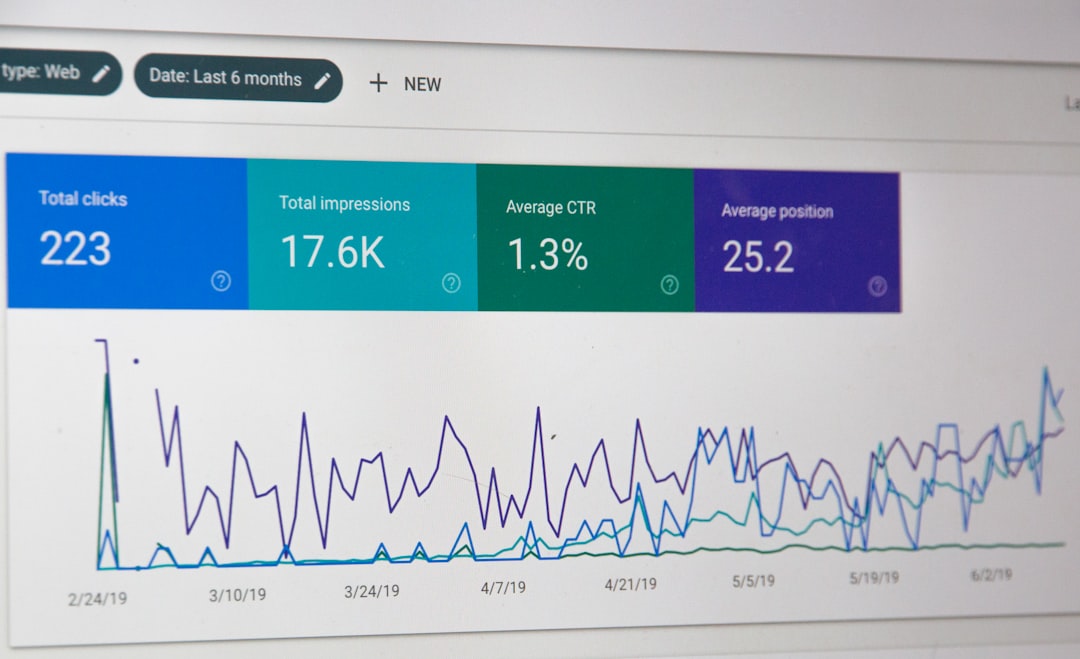
Where Ahrefs wins
Ahrefs is the strongest choice for backlink analysis and competitive research. It is excellent for seeing who links to competitors, which pages attract links, and where content gaps exist. For many SEO teams, Ahrefs is still the first stop for link building and content planning.
Its Site Explorer is fast and deep. The Content Gap tool is also useful when a site needs new keyword ideas based on competitors. Rank tracking is solid, too. The interface is clean compared with many older SEO tools.
The weak spot is the website optimization workflow. Ahrefs has Site Audit, and it is good, but it does not guide on-page improvements as directly as Labrika. A user often still needs to interpret the issues, sort them, brief writers, and send developers separate notes. Expect to waste time on that handoff if the team does not already have a clear process.
Where Semrush wins
Semrush is best for agencies and marketing teams that need more than SEO. It covers keyword research, audits, rank tracking, content tools, local SEO, PPC research, competitor analysis, and reporting. That range makes it useful when one team handles several channels.
Semrush also has strong project dashboards. A manager can track site health, position changes, backlinks, and traffic estimates from one area. Its reporting tools are helpful for client work, especially when routine PDF reports are needed.
The catch is the interface. There is a lot inside Semrush. Sometimes too much. Finding one simple fix can take more clicks than it should. On a small site, that may feel heavy. On a large agency account, the extra tools can be worth it.
Teams comparing lower-cost tools may also find value in this guide to SE Ranking vs. Mangools, especially if Ahrefs or Semrush feels too expensive.
Workflow comparison
- Labrika: Best for technical audits, on-page fixes, content optimization, and clear task lists.
- Ahrefs: Best for backlinks, competitor pages, link gaps, and keyword research tied to authority.
- Semrush: Best for agencies, reporting, PPC data, local SEO, and broad campaign management.
For pure website optimization, Labrika has the shortest path from issue to action. It suits teams that care about fixing title tags, thin content, duplicate pages, poor internal links, weak relevance, and crawl issues. It is not as famous as Ahrefs or Semrush, but the workflow is tighter for this job.
Which platform fits each type of team?
Small business owners will usually get faster value from Labrika. They need clear advice, not a giant control panel. A local clinic, law firm, or service company can run an audit and start fixing the worst issues the same day.
Content teams may prefer Ahrefs if they build articles around competitor gaps. Ahrefs is great for spotting pages that earn links and traffic. Still, Labrika can be better when the content already exists and needs better structure, relevance, and page-level cleanup.
Agencies often lean toward Semrush. It handles many client needs in one place. It also supports broader reports. For firms focused on deeper technical and content work, this list of SEO companies in India for technical SEO and content marketing shows how service-heavy SEO often needs both tools and skilled review.
WordPress site owners should also think about theme quality and page speed. Tool choice helps, but a bloated site can still drag rankings down. This Lightly WordPress theme review covers performance and SEO concerns that affect optimization work.
Final verdict
Labrika offers the best website optimization workflow. It is the most practical choice when the goal is to find problems, rank them, and fix them. Ahrefs is better for link-led growth. Semrush is better for teams that want one large platform for SEO and marketing.
If a company only wants one tool for hands-on site improvement, Labrika makes the most sense. If the team cares most about backlinks, Ahrefs wins. If the team needs client reporting, PPC data, and many SEO modules, Semrush is the safer pick.
FAQ
Is Labrika better than Ahrefs?
For website optimization, yes. Labrika gives clearer on-page and technical SEO tasks. Ahrefs is better for backlinks, competitor research, and content gap analysis.
Is Semrush better than Labrika?
Semrush is broader, but not always better. It suits agencies and mixed marketing teams. Labrika is simpler and stronger for focused site audits and page-level fixes.
Which tool is best for beginners?
Labrika is usually easier for beginners. It gives direct recommendations and avoids some of the feature overload found in larger platforms.
Which platform is best for agencies?
Semrush is often the best agency choice. It has strong reporting, project dashboards, PPC research, and tools for many client types.
Can one SEO platform do everything?
Not perfectly. Labrika is best for optimization workflows. Ahrefs is best for backlinks. Semrush covers the widest set of marketing tasks. Many serious SEO teams use more than one.