Taxidermy sits at the crossroads of art, anatomy, wildlife science, and preservation. For people who enjoy working with their hands, studying animals, and creating lifelike displays, it can become a deeply rewarding trade. Whether you dream of mounting deer for local hunters, preparing museum specimens, or building a specialty wildlife studio, becoming a taxidermist requires patience, technical skill, and a clear understanding of legal responsibilities.
TLDR: To become a taxidermist, you need hands-on training in skinning, preservation, mounting, sculpting, and finishing techniques. Formal degrees are not usually required, but workshops, apprenticeships, and taxidermy schools can help you build professional skills. Licensing rules vary by state and by the type of animal you work with, so you must understand wildlife laws before accepting clients. Career opportunities include self-employment, museum work, commercial studios, and specialty preservation services.
What Does a Taxidermist Do?
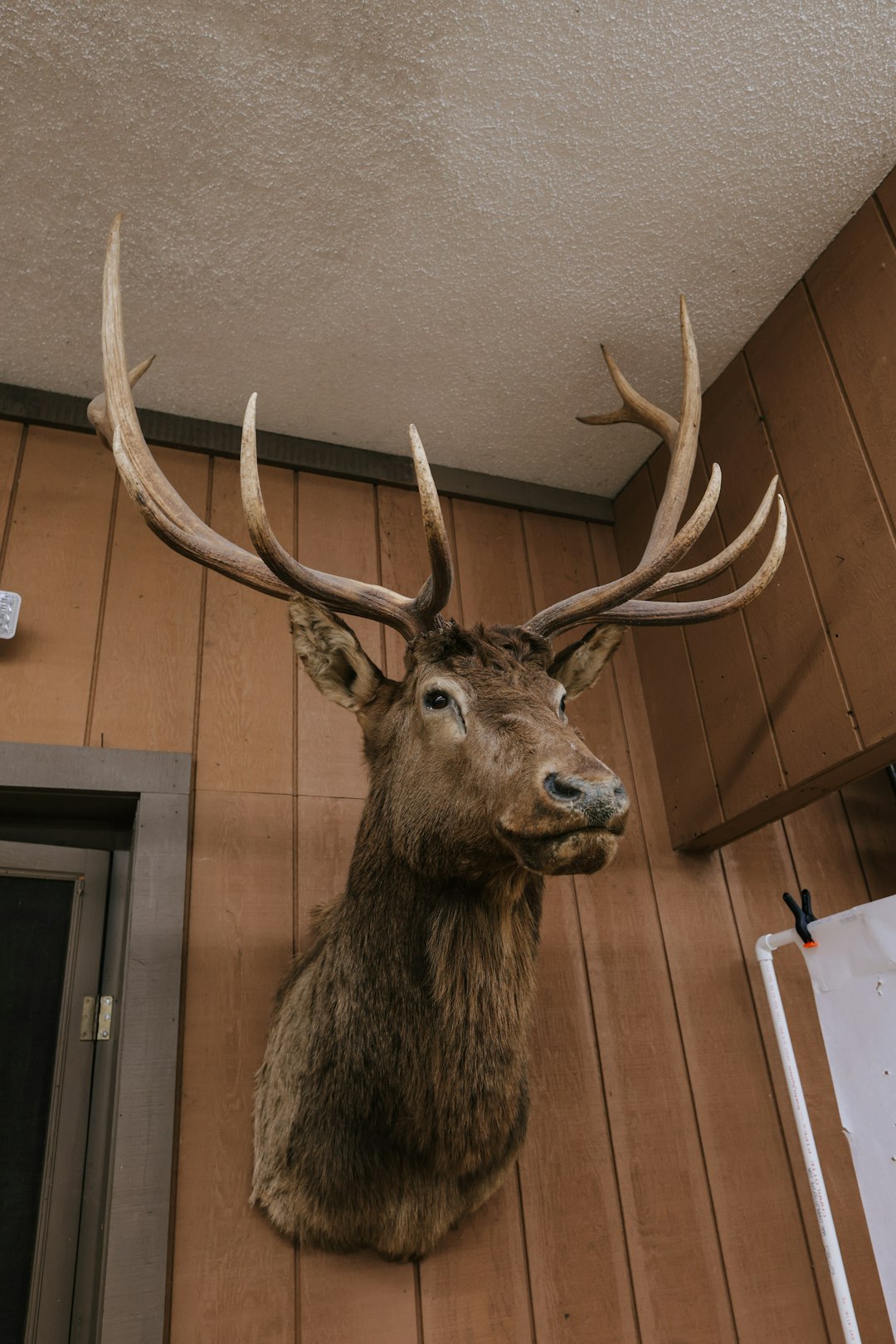
A taxidermist preserves animal skins and prepares them over artificial forms to create realistic displays. The work may involve mammals, birds, fish, reptiles, or even small pets, depending on the taxidermist’s specialty. A typical project includes careful skinning, fleshing, tanning or preserving the hide, preparing a mannequin or form, positioning the specimen, sewing, grooming, painting, and final detailing.
Although many people associate taxidermy with hunting trophies, the field is broader than that. Taxidermists may create educational displays for nature centers, restore antique mounts, prepare scientific study skins, or produce realistic habitat scenes. The best professionals combine biological accuracy with artistic judgment, paying close attention to posture, muscle structure, eye placement, fur direction, and natural expression.

Skills You Need to Succeed
Taxidermy is a detail-heavy craft. It rewards people who are observant, steady-handed, and willing to keep improving. Important skills include:
- Anatomy knowledge: Understanding skeletal structure, muscles, movement, and natural poses helps create lifelike results.
- Manual dexterity: Skinning, sewing, sculpting, and grooming require precise hand control.
- Artistic ability: Color matching, facial expression, habitat design, and finishing touches all influence the final look.
- Patience and problem-solving: Every specimen is different, and damaged hides or unusual poses often require creative solutions.
- Customer service: Many taxidermists work directly with hunters, pet owners, collectors, or institutions.
- Business management: If you run your own shop, pricing, scheduling, marketing, recordkeeping, and compliance are essential.
Training Options for Taxidermists
You do not usually need a college degree to become a taxidermist, but structured training is strongly recommended. Taxidermy has many technical steps, and mistakes can be expensive or irreversible. Most aspiring taxidermists learn through one or more of the following paths.
Taxidermy Schools and Courses
Hands-on taxidermy schools offer short-term programs that may last from a few days to several months. These courses often teach the fundamentals of mounting deer, fish, birds, and small mammals. Students practice skinning, fleshing, tanning, form preparation, clay work, eye setting, sewing, airbrushing, and finishing.
Short workshops can be useful for beginners who want to test their interest, while longer programs provide a stronger foundation for professional work. When choosing a school, look for instructors with industry experience, student examples, small class sizes, and instruction in both technique and business practices.
Apprenticeships and Mentorship
Working under an experienced taxidermist is one of the best ways to learn the trade. Apprenticeships may be formal or informal, paid or unpaid, depending on the shop. During an apprenticeship, you may start with basic tasks such as cleaning, fleshing hides, prepping forms, or organizing supplies before moving on to complete mounts.
This route offers exposure to real client projects, realistic deadlines, common mistakes, and customer expectations. It also helps you see how a taxidermy business operates day to day.
Self-Study and Practice
Books, online videos, trade magazines, and taxidermy associations can help you learn, but self-study works best when paired with hands-on practice. Many beginners start with inexpensive specimens, practice capes, fish replicas, or small mammals before attempting customer work. Joining a state taxidermy association can also provide access to competitions, critiques, seminars, and networking.

Licensing and Legal Requirements
Licensing is one of the most important parts of becoming a taxidermist. Wildlife laws vary widely by country, state, province, and species. In the United States, for example, taxidermists may need state permits to receive, possess, transport, or mount certain animals. Some states require a general taxidermy license, while others regulate specific species more closely.
You should contact your state wildlife agency before accepting any work. Ask about permit requirements, recordkeeping rules, tagging requirements, inspection rights, and restrictions on protected species. Keeping accurate records is often mandatory and may include the client’s name, license or tag numbers, date received, species, and final disposition of the mount.
Federal laws may also apply. Migratory birds are regulated under the Migratory Bird Treaty Act, and many native bird species cannot be possessed or mounted without proper authorization. Endangered or threatened species are subject to additional restrictions. Marine mammals, certain reptiles, and imported animals may require special permits or documentation.
If you work with clients across state lines, sell mounts, import specimens, or handle exotic animals, legal compliance becomes even more complex. When in doubt, get written guidance from the appropriate wildlife authority. A beautiful mount is not worth the risk of fines, confiscation, or loss of your license.
Tools, Supplies, and Workspace
A beginner taxidermist needs a practical workspace that is clean, well-lit, ventilated, and easy to sanitize. Common tools and materials include scalpels, fleshing knives, scissors, needles, thread, tanning chemicals, borax, clay, hide paste, glass eyes, ear liners, forms, airbrush equipment, paints, grooming tools, and freezers for specimen storage.
Safety matters. Taxidermists handle biological materials, sharp tools, chemicals, adhesives, and dust. Gloves, eye protection, respirators, ventilation, proper disposal procedures, and clean work habits help protect both the taxidermist and clients.
Building a Portfolio and Reputation
Before charging professional rates, you need examples of your work. A strong portfolio should show multiple angles, close-ups of eyes and ears, clean finishing, natural posture, and species variety. Entering taxidermy competitions can be especially valuable because judges provide detailed feedback on anatomy, symmetry, grooming, and realism.
Reputation is everything in this field. Clients often choose a taxidermist based on referrals, photos, turnaround time, and trust. Clear communication about pricing, deposits, expected completion dates, and specimen care can prevent misunderstandings. It is better to underpromise and exceed expectations than to rush work and damage your reputation.
Career Paths and Income Potential
Many taxidermists are self-employed, operating from a home workshop or commercial studio. Others work for established taxidermy shops, museums, universities, natural history institutions, or wildlife education centers. Some specialize in large game, birds, fish replicas, habitat bases, freeze-dry preservation, pet memorials, or restoration of older mounts.
Income varies significantly. Part-time taxidermists may treat the work as a side business, while skilled full-time professionals with strong demand can earn a solid living. Earnings depend on location, quality, speed, pricing, overhead, reputation, and specialty. Large game heads, full-body mounts, birds, and detailed habitat pieces often command higher prices, but they also require more labor and skill.
Turnaround time is another business factor. Taxidermy is seasonal in many regions, especially where hunting drives demand. Successful shops manage workflow carefully, collect deposits, maintain organized records, and price projects to reflect labor, materials, taxes, licensing, and profit.
Career Outlook
Taxidermy is a niche profession, but demand remains steady in areas with active hunting, fishing, outdoor recreation, conservation education, and museum work. The field is not usually defined by rapid job growth; instead, opportunities often depend on local demand and the ability to produce high-quality, reliable work.
Modern taxidermists can stand out by offering excellent realism, ethical sourcing, clear legal compliance, professional photography, online marketing, and specialty services. Social media and websites make it easier to showcase finished pieces, but they also raise client expectations. The taxidermists who thrive are those who keep learning, adapt to new materials and techniques, and treat the craft as both an art and a business.
Final Thoughts
Becoming a taxidermist takes more than curiosity. It requires training, practice, respect for wildlife laws, and a commitment to fine detail. If you are willing to study animal anatomy, learn preservation techniques, and build your skills over time, taxidermy can offer a unique and meaningful career. For the right person, it is a trade where science, storytelling, and craftsmanship come together in every finished piece.