Some software names sound like robot license plates. 5AH9 6MAX0 Python Software is one of them. Maybe it is a tool, a script, a service, a lab project, or a strange app that landed on your desk with no manual and one very worried user. When it fails, it can feel like a raccoon got inside your computer and started chewing wires. Good news. Python failures usually leave clues. You just need to follow the crumbs.
TLDR: 5AH9 6MAX0 Python Software usually fails because of missing packages, wrong Python versions, bad settings, broken paths, permissions, or network trouble. Start by reading the error message, checking the environment, and running the program in a clean way. Fix one thing at a time, then test again. Do not panic. The error is not laughing at you. Probably.
First, What Is Failing?
Before you fix anything, ask a simple question. What does “fail” mean? That word is big. Too big. It can mean many things.
- The program will not start.
- It starts, then crashes.
- It runs, but gives wrong results.
- It freezes like a scared penguin.
- It cannot connect to a database or API.
- It works on one computer, but not another.
Each type of failure points to a different cause. So do not just say, “It is broken.” Say, “It crashes after login,” or “It cannot import a module,” or “It times out after 30 seconds.” That is how you turn a mystery into a checklist.
Reason 1: The Python Version Is Wrong
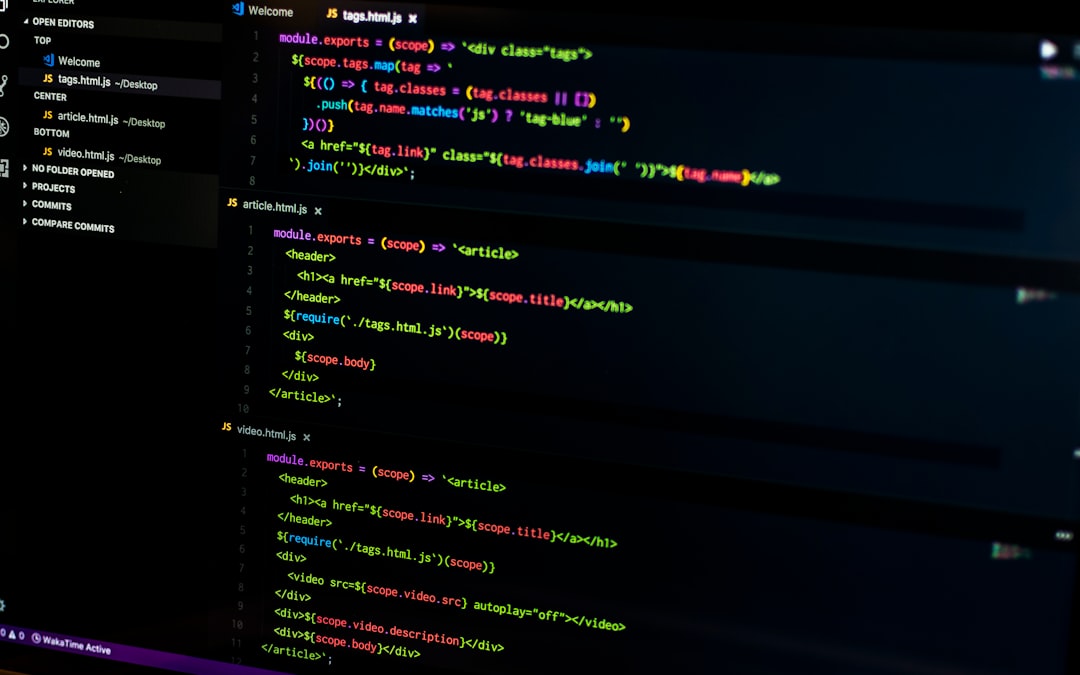
Python is friendly. But Python versions can be picky. A program written for Python 3.11 may not enjoy Python 3.7. It may sulk. It may throw syntax errors. It may refuse to run.
Check your version:
python --versionOr:
python3 --versionIf the software has a file like README.md, pyproject.toml, or requirements.txt, look for the required Python version. It may say something like:
requires-python = ">=3.10"If your version is too old, install the right one. If you have many Python versions, be careful. Your computer may call the wrong one. This is common. Python loves hide and seek.
Reason 2: Missing Packages
This is the classic Python banana peel. The program needs a package. The package is not installed. Boom. You see something like:
ModuleNotFoundError: No module named 'requests'That means Python tried to import something and could not find it. Install the missing package:
pip install requestsBetter yet, install all required packages from the project file:
pip install -r requirements.txtIf you use a virtual environment, activate it first. Otherwise, you may install the package in the wrong place. That is like putting batteries in the TV remote, then trying to start your car.
Reason 3: The Virtual Environment Is Not Active
A virtual environment is a neat little bubble for Python. It keeps packages for one project separate from another. This is good. It also causes confusion if you forget to turn it on.
On Windows, activate it like this:
venv\Scripts\activateOn macOS or Linux:
source venv/bin/activateAfter activation, install the packages again if needed. Then run 5AH9 6MAX0 from inside that same terminal. If the software suddenly works, give the virtual environment a tiny trophy.
Reason 4: Configuration Is Bad
Many Python apps need settings. These may live in .env, config.json, settings.yaml, or environment variables. If one value is missing, the app may explode in a polite but annoying way.
Common broken settings include:
- Wrong database host.
- Wrong username or password.
- Missing API key.
- Wrong file path.
- Bad port number.
- Development settings used in production.
Open the config files. Look for blank values. Look for silly values. Look for things copied with extra spaces. A secret key with one extra space can ruin your afternoon.
If there is a sample file like .env.example, compare it with your real .env. Make sure every needed setting exists.
Reason 5: File Paths Are Broken
Python programs often read files. They may need data files, templates, logs, models, certificates, or images. If the path is wrong, the program falls into a hole.
You may see:
FileNotFoundError: No such file or directoryThis does not always mean the file is gone. It may mean the program is looking in the wrong folder. Check where you are running the command from.
pwdOn Windows:
cdAlso check if the path uses Windows slashes or Unix slashes. Python can handle many path styles, but sloppy paths still cause trouble. Use pathlib if you edit the code. It makes paths cleaner and less dramatic.

Reason 6: Permissions Are Blocking It
Sometimes the software is fine. The computer just says, “Nope.” This happens when 5AH9 6MAX0 tries to read, write, or execute something without permission.
Look for errors like:
PermissionError: [Errno 13] Permission deniedCommon permission problems include:
- Writing logs to a protected folder.
- Reading a file owned by another user.
- Running a script without execute permission.
- Accessing a locked database file.
On macOS or Linux, you may need:
chmod +x script.pyOr you may need to change ownership. On Windows, check folder security settings. Do not blindly run everything as administrator. That is like using a chainsaw to cut a sandwich. It may work, but there are better ways.
Reason 7: The Network Is Moody
If 5AH9 6MAX0 talks to the internet, a server, or an internal API, the failure may not be inside Python at all. It may be the network.
Check these things:
- Is the server online?
- Is the URL correct?
- Is the VPN connected?
- Is the firewall blocking traffic?
- Did the API key expire?
- Is the service rate limiting you?
Try opening the API URL in a browser. Or use curl:
curl https://example.com/healthIf the service has a health endpoint, use it. A health endpoint is like asking the server, “Are you alive?” Sometimes it answers. Sometimes it stares into the distance.
Reason 8: The Database Is Not Ready
Many Python programs depend on databases. If the database is down, empty, locked, outdated, or filled with weird data, the app may fail.
Check the database connection string. Check the username. Check the password. Check the port. Then check if migrations have been run.
You may need a command like:
python manage.py migrateOr a project-specific setup command. Look in the docs. If the docs are missing, look at scripts with names like setup.py, init_db.py, or migrate.py.
Also check your data. Bad data can break clean code. For example, a date field that says “banana” is not a date. It is a fruit with ambition.
Reason 9: Package Versions Are Fighting
Sometimes all packages are installed, but they are the wrong versions. One package wants version 1.0. Another wants version 2.0. They glare at each other across the room.
Run:
pip checkThis reports broken dependencies. You can also freeze your current packages:
pip freezeIf the project has a lock file, use it. Lock files help install exact versions. Examples include poetry.lock and Pipfile.lock. Exact versions reduce surprise. Surprise is fun at parties. It is less fun in production.
Reason 10: The Code Has a Bug
Yes, it happens. Even noble Python code can trip over its own shoelaces. If the environment is correct and the settings are correct, the code may simply have a defect.
Read the traceback. Start at the bottom. The last line often tells you the error. Then move upward to find where in your code it happened.
Helpful bug clues include:
TypeError: The code used the wrong type of value.ValueError: The value itself is bad.KeyError: A dictionary key is missing.IndexError: A list position does not exist.AttributeError: An object does not have that feature.
Add simple print statements if needed. Or use logging. Or use a debugger. Do not add 400 random prints and then forget them. That creates a new monster.
A Simple Troubleshooting Plan
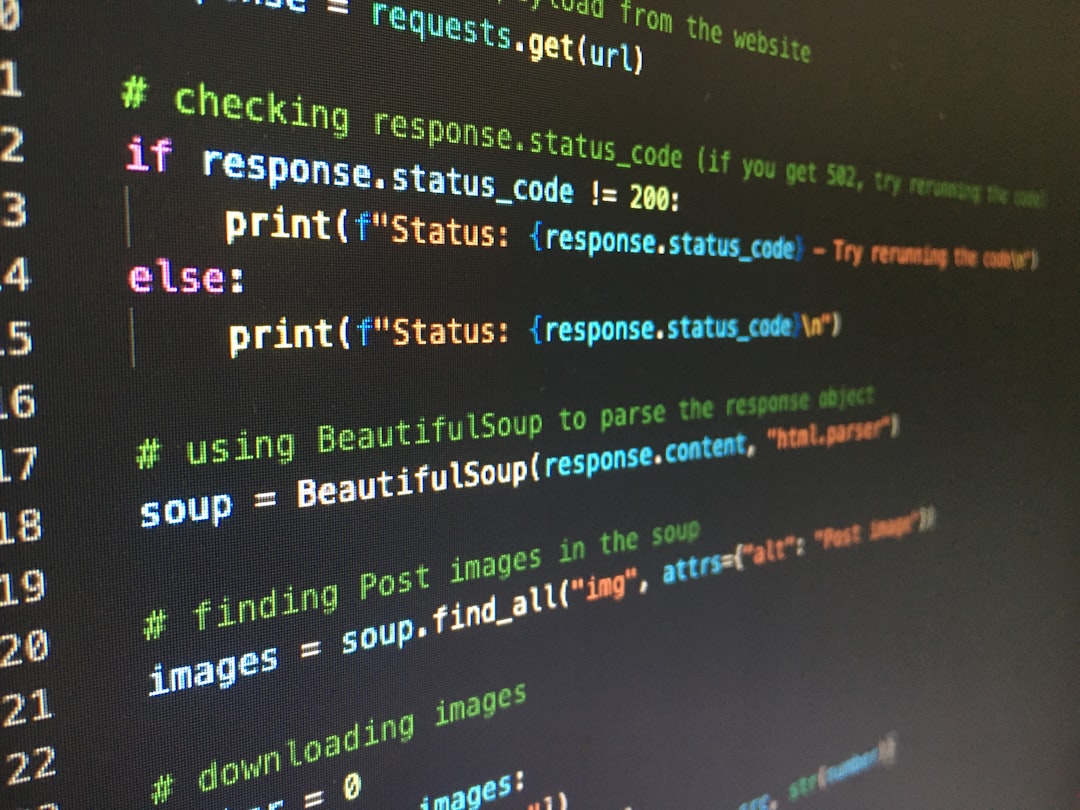
Use this plan when 5AH9 6MAX0 fails. It keeps you calm. It also stops you from changing ten things at once.
- Copy the full error message. Do not summarize it yet.
- Check Python version. Make sure it matches the project.
- Activate the virtual environment. Then install requirements.
- Run the program again. Note what changes.
- Check configuration. Look for missing or wrong values.
- Check paths and permissions. Make sure files exist and can be used.
- Check network and database access. Test them outside the app.
- Check package conflicts. Use
pip check. - Read the traceback. Find the real failing line.
- Change one thing only. Test again.
Make Logging Your Best Friend
Logs are the diary of your program. They tell you what happened before everything got weird. If 5AH9 6MAX0 has logs, find them. If it does not, add logs.
Good logs answer simple questions:
- What started?
- What settings were loaded?
- What file was opened?
- What server was contacted?
- What failed?
Never log passwords, tokens, or secret keys. Logs get copied. Logs get emailed. Logs get forgotten in folders. Secrets in logs are like cookies on a public bench. Someone will take them.
When It Works on One Machine Only
This is a common headache. The software works on Alice’s laptop. It fails on Bob’s server. Everyone blames Bob. Poor Bob.
Compare the machines:
- Python version.
- Operating system.
- Package versions.
- Environment variables.
- File locations.
- User permissions.
- Network access.
Run pip freeze on both machines. Compare the results. Also compare config files. Many “code bugs” are really “Bob has a different setting” bugs.
How to Prevent Future Failures
Troubleshooting is useful. Prevention is better. Future you deserves snacks and clean systems.
- Write a clear setup guide.
- Use a virtual environment.
- Pin package versions.
- Keep a sample config file.
- Add useful error messages.
- Add tests for important features.
- Use logging from the start.
- Back up important data.
Also write down fixes. If 5AH9 6MAX0 breaks once, it may break the same way again. A small troubleshooting note can save hours later.
Final Thoughts
5AH9 6MAX0 Python Software may look mysterious. But most failures come from ordinary causes. Wrong version. Missing package. Bad setting. Broken path. No permission. Moody network. Unhappy database. Buggy code.
The trick is to be patient and boring. Read the error. Check the basics. Change one thing. Test again. Repeat. Debugging is not magic. It is detective work with snacks.
And remember this. Every scary traceback is just Python trying to explain what hurt. Listen closely. Give it the right package, path, password, or permission. Soon the robot license plate will purr like a kitten.