Air traffic control (ATC) platforms form the invisible infrastructure that keeps global aviation safe, orderly, and efficient. Every commercial flight, cargo operation, and private aircraft depends on complex digital systems that coordinate movement across crowded skies and busy airports. These platforms integrate radar, satellite navigation, weather intelligence, and decision-support tools into a unified environment that allows controllers to manage thousands of flights simultaneously with precision and confidence.
TLDR: Air traffic control platforms are sophisticated digital ecosystems that integrate radar, satellite tracking, weather data, and predictive analytics to ensure safe aircraft separation and efficient traffic flow. Modern systems such as NextGen, SESAR, and advanced tower automation platforms enhance situational awareness and reduce controller workload. Automation and decision-support tools improve safety without removing human oversight. Together, these technologies significantly lower risk while increasing airspace capacity worldwide.
As global air traffic continues to grow, the importance of robust, modern ATC platforms has never been greater. Safety remains the primary priority, but efficiency, sustainability, and resilience are increasingly critical. Today’s platforms go far beyond traditional radar screens; they are multi-layered networks combining software, hardware, data processing, and secure communications infrastructures.
The Core Components of Modern ATC Platforms
Modern air traffic control platforms are built around a few essential technological pillars. Each component contributes to maintaining safe separation between aircraft and ensuring efficient traffic management.
- Surveillance Systems: Radar, Automatic Dependent Surveillance–Broadcast (ADS-B), and multilateration technologies track aircraft positions in real time.
- Communication Systems: Voice communication, Controller–Pilot Data Link Communications (CPDLC), and satellite-based links ensure precise pilot-controller coordination.
- Navigation Infrastructure: GPS and satellite-based augmentation systems allow aircraft to follow highly accurate routes.
- Flight Data Processing Systems: These platforms organize flight plans, predict trajectories, and detect potential conflicts.
- Weather Integration Tools: Real-time meteorological data supports safe decision-making during adverse conditions.
When integrated seamlessly, these systems create a complete operational picture. This unified view enables controllers to anticipate issues before they develop into safety hazards.
NextGen: The United States’ Modernization Platform
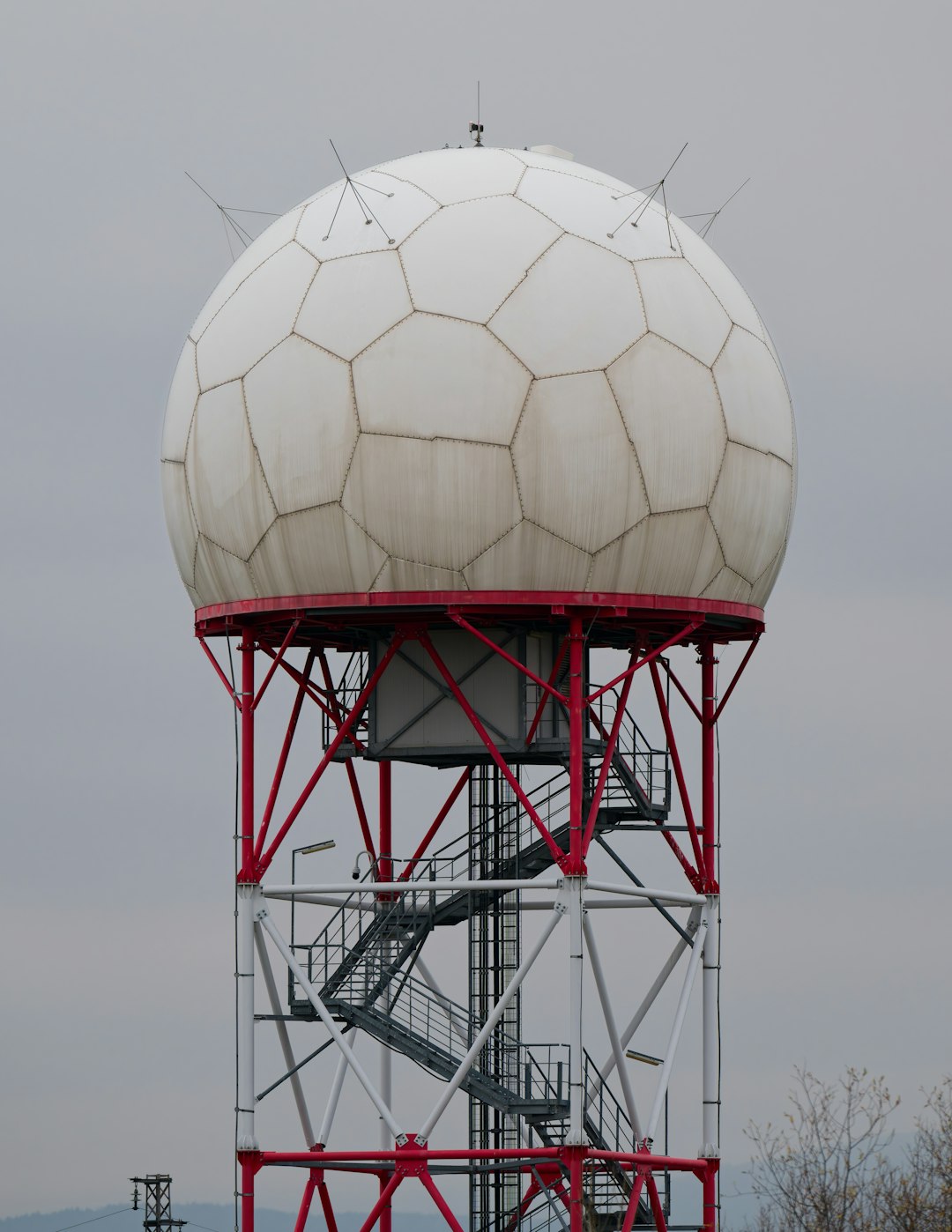
The Federal Aviation Administration’s NextGen program represents one of the most advanced air traffic control transformation initiatives. Designed to move from radar-based surveillance to satellite-based navigation, NextGen improves accuracy and reduces dependency on legacy ground systems.
Key features include:
- Performance-Based Navigation (PBN): Allows aircraft to fly optimized routes, reducing fuel burn and congestion.
- ADS-B Integration: Provides precise real-time aircraft positioning.
- Data Communications: Supplements voice instructions with digital messaging.
- System Wide Information Management (SWIM): Enables secure data sharing among aviation stakeholders.
NextGen enhances both safety and efficiency by reducing controller workload and improving situational awareness. Aircraft spacing can be more precise without compromising safety margins, which increases capacity while maintaining strict regulatory standards.
SESAR: Europe’s Unified Approach
Europe’s counterpart to NextGen is the Single European Sky ATM Research (SESAR) initiative. Unlike the U.S., Europe manages airspace across multiple sovereign nations, requiring a highly coordinated and interoperable digital ecosystem.
SESAR focuses on:
- Cross-border data standardization
- Trajectory-based operations
- Remote tower services
- Integrated airport and airspace management
Trajectory-based operations allow controllers to manage flights based on predictive modeling rather than reactive adjustments. This forward-looking concept significantly enhances conflict detection and long-term planning.
Advanced Tower Automation Systems
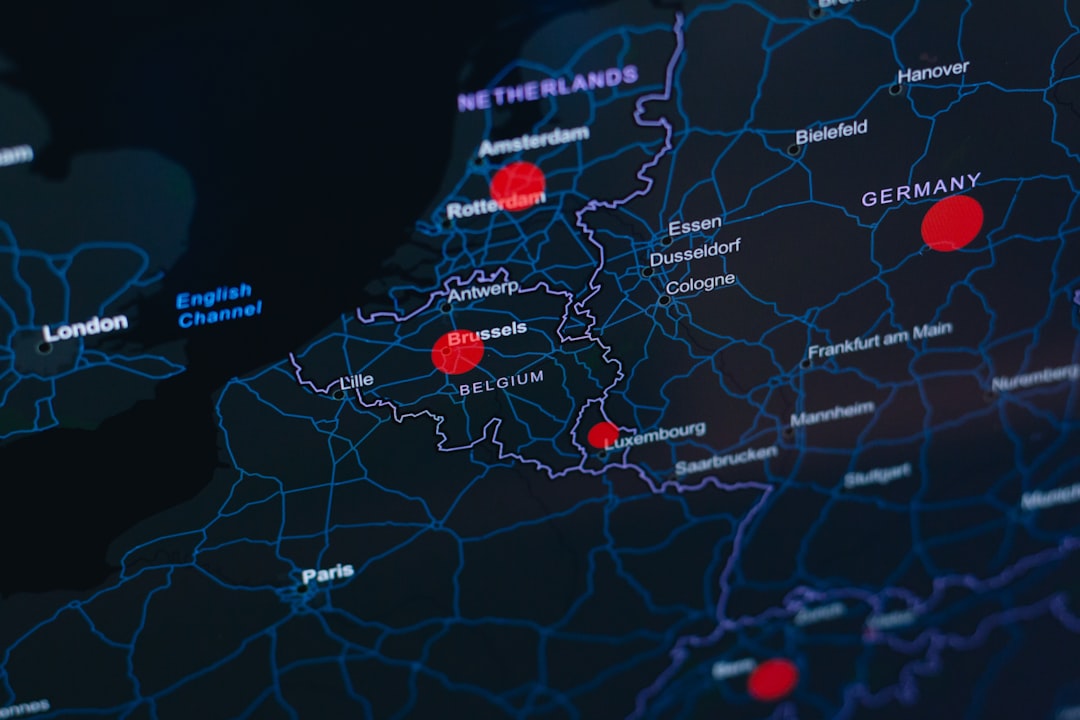
Beyond national modernization initiatives, airports themselves deploy sophisticated Tower Automation Systems. These solutions integrate surface movement radar, ground sensors, airfield lighting controls, and weather feeds into a single operational interface.
The benefits are substantial:
- Surface Movement Monitoring: Prevents runway incursions and taxiway conflicts.
- Departure and Arrival Sequencing Tools: Optimize runway throughput.
- Electronic Flight Strips: Replace paper-based processes and reduce communication errors.
- Alerting Systems: Automatically warn controllers of potential loss of separation.
Automation does not replace controllers—it supports them. By handling repetitive calculations and providing predictive warnings, these systems allow human operators to focus on strategic decision-making.
Remote and Digital Tower Platforms
One of the most transformative innovations in recent years is the deployment of Remote Tower Systems. Instead of a traditional glass control tower, airports use high-definition cameras and sensor arrays to transmit a 360-degree view to a centralized control room.
This model provides:
- Enhanced night and low-visibility imaging
- Zoom and tracking functions beyond human eyesight
- Cost-effective operations for smaller airports
- Flexible contingency support
Digital augmentation can actually improve visual clarity through infrared and motion-tracking overlays, reinforcing safety during challenging conditions.
Conflict Detection and Decision Support Tools
At the heart of every advanced ATC platform lies conflict detection and resolution software. These systems continuously analyze aircraft trajectories and issue alerts when minimum separation standards may be compromised.
Modern platforms incorporate:
- Short-Term Conflict Alert (STCA)
- Medium-Term Conflict Detection (MTCD)
- Runway Incursion Monitoring
- Wake Turbulence Monitoring Systems
Predictive modeling allows controllers to intervene long before a situation becomes critical. The result is a proactive safety culture rather than a reactive one.
Cybersecurity and System Resilience
As ATC platforms become more interconnected, cybersecurity assumes a central role in flight safety. Modern systems are designed with:
- Encrypted communications
- Redundant processing centers
- Failover capabilities
- Continuous threat monitoring
Resilience planning ensures that if one node of the system experiences failure, backup systems immediately maintain operational continuity. This multi-layer redundancy is a cornerstone of aviation safety management.
Comparison of Major ATC Platforms
| Platform | Region | Primary Focus | Key Technologies | Safety Impact |
|---|---|---|---|---|
| NextGen | United States | Satellite modernization | ADS-B, DataComm, SWIM | Improved precision and reduced separation errors |
| SESAR | Europe | Cross-border integration | Trajectory based ops, remote towers | Enhanced conflict prediction and coordination |
| Tower Automation Systems | Global Airports | Surface operations management | SMR radar, electronic strips | Reduced runway incursions |
| Remote Tower Platforms | Global | Digital tower replacement | HD cameras, infrared imaging | Enhanced visibility and redundancy |
Human Factors and Training Integration
While technology plays a central role, air traffic control remains a human-driven profession. Modern ATC platforms are designed with ergonomic interfaces, intuitive layouts, and structured alert hierarchies to reduce cognitive overload.
Simulation environments are integrated into many platforms, allowing controllers to train using realistic traffic scenarios. This capability ensures that operators remain proficient with both routine operations and emergency procedures.
Technology enhances human performance; it does not replace it. Maintaining this balance is essential for long-term safety success.
The Future of ATC Platforms
Looking forward, several emerging trends are shaping the evolution of ATC systems:
- Artificial Intelligence Integration: Enhanced predictive analytics and anomaly detection.
- Urban Air Mobility Traffic Management: Platforms capable of managing drones and air taxis.
- Space Traffic Coordination: Monitoring commercial space launches and reentries.
- Greater Automation with Human Oversight: Intelligent assistance without removing accountability.
The objective is not merely to accommodate more flights but to do so responsibly. Environmental efficiency, fuel optimization, and noise reduction are increasingly built into next-generation platforms.
Conclusion
Air traffic control platforms represent one of the most sophisticated safety systems ever developed. Through the integration of surveillance technology, predictive analytics, secure communications, and human-centered design, these systems maintain safe separation among millions of flights each year.
Initiatives such as NextGen and SESAR demonstrate how modernization can enhance both capacity and safety simultaneously. Meanwhile, tower automation, remote monitoring, and advanced decision-support tools reduce risk at both en route and airport levels.
As global aviation expands and airspace becomes more complex, trusted and resilient ATC platforms will remain fundamental to flight safety. Their evolution reflects a simple but unwavering commitment: ensuring that every aircraft reaches its destination safely, efficiently, and under continuous professional oversight.