For travelers heading to Canada, staying connected is no longer just a convenience; it is often essential for maps, hotel check-ins, ride-hailing, banking alerts, restaurant reservations, and communication with family or colleagues. The choice usually comes down to three options: using international roaming, buying a physical SIM card, or activating a Canada eSIM. Each option works, but they differ greatly in cost, convenience, flexibility, and overall travel experience.
TLDR: A Canada eSIM is often better than roaming and physical SIM cards for short-term visitors because it is usually cheaper, faster to activate, and easier to manage. Roaming is convenient but can be expensive, while physical SIM cards may require store visits, ID checks, and swapping small cards. For most travelers with compatible phones, an eSIM offers the best balance of price, convenience, and reliability.
What Is a Canada eSIM?
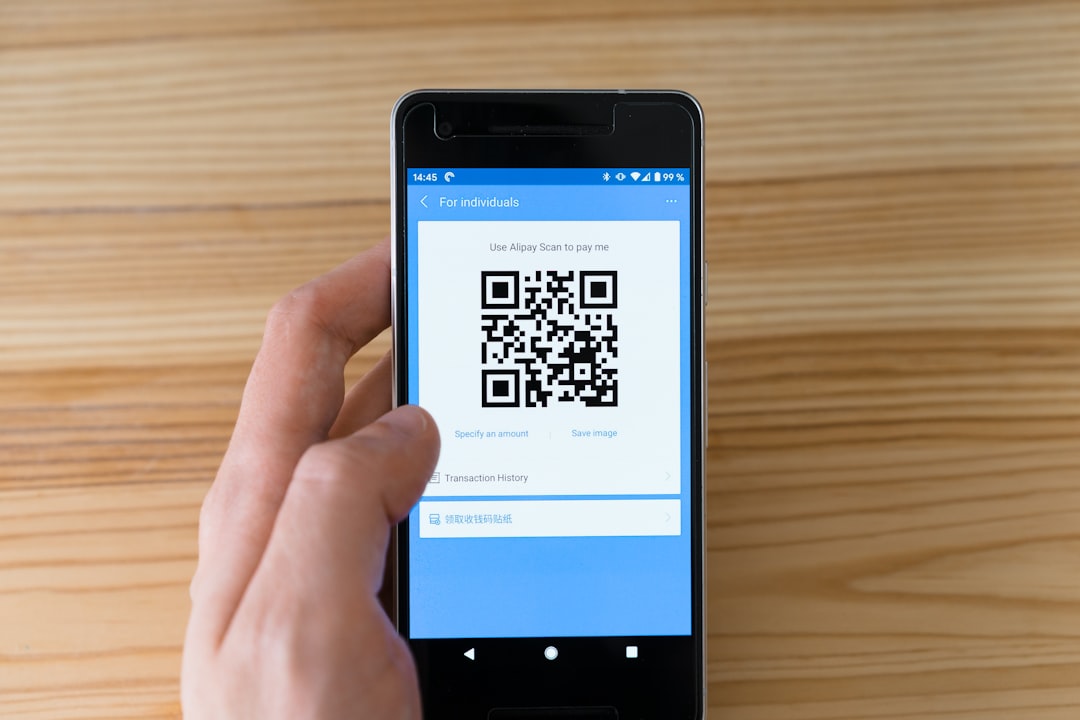
A Canada eSIM is a digital SIM that allows a compatible smartphone, tablet, or laptop to connect to mobile data networks in Canada without inserting a physical SIM card. Instead of receiving a plastic chip, the traveler scans a QR code or installs a mobile data plan through an app. Once activated, the device connects to a local or regional Canadian network, depending on the provider.
The technology works through an embedded SIM chip already built into many modern devices. This chip can store multiple mobile profiles, which means a traveler can keep a home number active while using a separate Canada data plan. This is particularly useful for visitors who need to receive bank verification messages, work calls, or family updates while using affordable local data.

How International Roaming Works in Canada
International roaming allows a traveler to use the existing mobile plan from a home carrier while connected to Canadian networks. It is the simplest option because it often activates automatically when the device arrives in Canada. No new SIM card, app, or setup may be required.
However, convenience can come at a high price. Many carriers charge daily roaming fees, high pay-per-use rates, or expensive international packages. Some plans include Canada as part of a regional allowance, especially for travelers from the United States, but this is not universal. Visitors from Europe, Asia, Latin America, Africa, or Oceania may face much higher roaming charges.
Roaming can also include limitations such as reduced speeds after a certain amount of data, restricted hotspot use, or unexpected charges for calls and texts. For travelers who stream video, use navigation frequently, or work remotely, roaming can become costly very quickly.
How Physical SIM Cards Work in Canada
A physical SIM card is the traditional option. A traveler buys a prepaid Canadian SIM card from a mobile carrier, airport kiosk, electronics store, convenience shop, or telecom retailer. The SIM is inserted into the phone, and the traveler receives a local Canadian number or data plan.
Physical SIM cards can work well, especially for longer stays. They may provide strong local coverage, phone call options, and generous data allowances. However, they come with practical inconveniences. The traveler must find a retailer, compare plans, wait for activation, and possibly provide identification. In some cases, prepaid plans are not as simple or affordable as expected.
There is also the issue of removing the home SIM card. A small SIM tray tool is needed, and the original SIM can be lost or damaged. For travelers who rely on their home number for two-factor authentication or business calls, replacing the SIM can create avoidable complications.
Cost Comparison: eSIM vs Roaming vs Physical SIM
Cost is one of the biggest reasons travelers consider a Canada eSIM. Many eSIM providers offer prepaid data packages, allowing travelers to select a plan based on trip length and expected data usage. This gives better control over spending because there are usually no surprise roaming fees.
- Canada eSIM: Often offers competitive prepaid data rates with clear allowances and expiration dates.
- Roaming: Convenient but frequently more expensive, especially when charged daily or per megabyte.
- Physical SIM: Can be cost-effective for longer stays, but may involve activation fees, store visits, or limited tourist-friendly plans.
For a short trip of one to two weeks, an eSIM is often the most economical choice. For a long stay of several months, a physical SIM or local prepaid account might become more attractive, depending on the carrier and usage needs. Roaming is generally best only when the home plan already includes Canada at no extra cost.
Convenience and Setup
Convenience is where the Canada eSIM stands out. A traveler can purchase and install an eSIM before leaving home, at the airport, or after arrival using hotel Wi-Fi. There is no need to locate a store or handle a physical card. Once the plan is installed, it can often be activated within minutes.
Physical SIM cards require more effort. The traveler may need to visit a carrier store, choose among different plans, and complete an activation process. Airport SIM counters can be convenient, but prices may be higher than online alternatives. Store hours, language barriers, and long queues can add further inconvenience.
Roaming is still the easiest to set up because it may require no action at all. The downside is that the traveler may not know the full cost until the bill arrives. For many people, that uncertainty outweighs the convenience.
Network Coverage and Speed in Canada
Canada has strong mobile networks in major cities such as Toronto, Vancouver, Montreal, Calgary, Ottawa, Edmonton, and Quebec City. Coverage is also generally reliable along major highways and in many towns. However, Canada is a vast country, and rural or remote areas may have weaker service, especially in mountain regions, national parks, northern territories, and isolated coastal areas.
A Canada eSIM usually connects through one or more established Canadian networks. The quality depends on the provider’s local network partners. Some eSIMs allow access to multiple networks, which can improve reliability. Others use a single network, which may be excellent in cities but less consistent in remote locations.
Roaming also depends on the home carrier’s Canadian partners. In some cases, roaming agreements provide access to strong networks. In other cases, speeds may be deprioritized or limited. Physical SIM cards from major local carriers can provide excellent coverage, but budget brands may have restrictions or may not support the fastest available speeds.
Keeping the Home Number Active
One major advantage of an eSIM is dual SIM functionality. Many modern phones allow one physical SIM and one eSIM, or even multiple eSIM profiles. This means a traveler can keep the home SIM active for calls and texts while using the Canada eSIM for mobile data.
This setup is useful for receiving security codes, bank alerts, airline notifications, and messages from contacts who still use the traveler’s regular number. It also reduces the risk of missing important communication while abroad.
With a physical SIM card, the home SIM may need to be removed unless the phone supports dual physical SIMs. That can make it harder to receive important messages. Roaming keeps the home number active, but it may charge extra for calls, texts, or data unless the plan includes Canada.
Security and Reliability
An eSIM can be more secure than a physical SIM card because it cannot be physically removed and stolen in the same way. If a phone is lost, the eSIM profile is protected by the device’s security features. There is no small card that can be taken out and inserted into another device.
Physical SIM cards are easy to misplace and can be vulnerable to theft or unauthorized use if not protected by a SIM PIN. Roaming uses the existing SIM, so it avoids the risk of swapping cards, but it does not solve the cost issue.
Reliability depends on the provider, the network partner, and the traveler’s location. A carefully chosen eSIM from a reputable provider can be very reliable in urban Canada. For remote travel, it is important to check coverage maps before purchasing any plan.
Device Compatibility Matters
A Canada eSIM is only useful if the traveler’s device supports eSIM technology and is unlocked. Many recent iPhone, Google Pixel, Samsung Galaxy, and other premium smartphones support eSIM, but older models may not. Some carrier-locked phones may prevent installation of third-party eSIM plans.
Before choosing an eSIM, the traveler should confirm three things:
- The device supports eSIM.
- The device is unlocked for international or third-party network use.
- The eSIM provider supports the device model and operating system.
If the device is not eSIM compatible, a physical SIM card or roaming plan may be necessary. Compatibility is one area where traditional SIM cards still have an advantage, especially for older phones.
Best Use Cases for a Canada eSIM
A Canada eSIM is especially practical for tourists, business travelers, students on short programs, digital nomads, and passengers on multi-country trips. It works well when the traveler mainly needs mobile data rather than a local phone number for voice calls.
Common uses include:
- Using maps and navigation in unfamiliar cities.
- Booking rides, trains, buses, and local transportation.
- Messaging through apps such as WhatsApp, FaceTime, Telegram, or Messenger.
- Checking emails and accessing work platforms.
- Sharing a hotspot with a laptop or tablet, if the plan allows tethering.
Travelers who need a Canadian phone number for local calls, job applications, apartment rentals, or long-term services may prefer a physical SIM or local mobile plan. Many travel eSIMs are data-only and do not include traditional voice or SMS.
When Roaming May Be Better
Roaming is not always a bad choice. It may be better when the traveler’s home plan includes Canada at no extra cost or offers a fair daily rate with generous data. Some North American mobile plans include Canada, Mexico, and the United States in one package, making roaming simple and cost-effective.
Roaming may also be useful for very short trips, such as a one-day business visit, when purchasing and installing a separate plan may feel unnecessary. It is also convenient for travelers who need their regular phone number fully active for calls and texts without adjusting device settings.
Still, roaming should be checked carefully before departure. The traveler should review daily fees, data limits, speed restrictions, call charges, and whether roaming must be manually enabled or disabled. Without this review, roaming can lead to unexpected costs.
When a Physical SIM May Be Better
A physical SIM card may be better for long-term visitors, exchange students, temporary workers, or people who need a Canadian phone number. Local prepaid or monthly plans may offer better value over time, especially for heavy data users or those who need unlimited calling within Canada.
Physical SIMs may also be better for devices that do not support eSIM. They remain widely available and familiar, and many Canadian carriers still focus on physical SIM activation for local customers.
However, for a typical tourist or short-term business traveler, the physical SIM option is often less convenient than an eSIM. It requires more time, more handling, and usually more planning after arrival.
Overall Verdict: Is a Canada eSIM Better?
For most visitors, a Canada eSIM is better than roaming or a physical SIM card because it combines affordability, fast setup, and flexibility. It allows travelers to arrange connectivity before arrival, avoid expensive roaming charges, and keep the home SIM active for important calls or messages.
Roaming remains the simplest option, but it is often the riskiest from a cost perspective. Physical SIM cards can be powerful for long stays and local phone numbers, but they are less convenient for short trips. The eSIM sits between these options and often delivers the best overall experience.
The final choice depends on the traveler’s device, length of stay, data needs, and whether a local phone number is required. For a modern unlocked smartphone and a short or medium visit to Canada, an eSIM is usually the smartest and most practical connectivity solution.
FAQ
Is a Canada eSIM cheaper than roaming?
In many cases, yes. A Canada eSIM usually offers prepaid data packages with clear pricing, while roaming can involve daily fees or high data charges. However, if a home mobile plan already includes Canada, roaming may be cheaper.
Does a Canada eSIM include a phone number?
Many travel eSIMs are data-only and do not include a Canadian phone number. Some providers may offer calling or texting features, but travelers who need a local number should check plan details carefully.
Can an eSIM and a physical SIM be used at the same time?
Yes, many modern smartphones support dual SIM use. A traveler can often keep the home physical SIM active for calls and texts while using the Canada eSIM for mobile data.
Is an eSIM reliable in Canada?
An eSIM can be very reliable in Canadian cities and populated areas, depending on the provider and network partner. Coverage may be weaker in remote regions, national parks, and northern areas, so checking coverage before purchase is recommended.
What happens when the Canada eSIM data runs out?
Most providers allow the traveler to top up, buy another plan, or install a new eSIM package. If no top-up is available, mobile data stops until another plan is activated.
Can a Canada eSIM be installed before arrival?
Yes. In most cases, the eSIM can be purchased and installed before the trip. Activation rules vary, so some plans begin immediately after installation, while others start when the device first connects to a Canadian network.
Is a physical SIM still worth considering?
Yes, especially for long stays, older phones, or travelers who need a Canadian number. For short visits and data-focused use, an eSIM is usually more convenient.