YouTube is often described as a video platform, a search engine, or an entertainment service, but those labels do not fully capture what it has become. At its core, YouTube is a place where people create identities, publish content, build audiences, interact with communities, follow public figures, and participate in cultural conversations. These are the same social behaviors that define platforms such as Instagram, TikTok, Facebook, LinkedIn, and X. For that reason, YouTube is not merely a website for watching videos; it is properly classified as a social media network.
TLDR: YouTube is classified as a social media network because it enables users to create profiles, publish content, subscribe to creators, comment, share, and build communities. Its recommendation system, audience interaction tools, and creator economy make it much more than a passive video library. While video is its primary format, the platform functions socially by connecting people, shaping public discussion, and allowing communities to form around shared interests.
What Makes a Platform “Social Media”?
To understand why YouTube fits the category, it is useful to define what social media actually means. A social media network is generally a digital platform that allows users to create and distribute content, interact with other users, form relationships or followings, and participate in public or semi-public communication. The exact format may vary: some platforms are built around text, others around images, short videos, live streams, or professional updates.
In practice, social media platforms usually share several common features:
- User profiles that represent individuals, brands, organizations, or communities.
- User-generated content that can be posted, viewed, and shared by others.
- Interaction tools such as comments, likes, replies, reactions, and shares.
- Network building through subscriptions, followers, memberships, or groups.
- Algorithmic discovery that recommends content based on interests, behavior, and social signals.
- Community formation around topics, creators, identities, events, or beliefs.
YouTube meets all of these criteria. Although its primary content format is video, the platform’s structure and user behavior are clearly social. People do not simply arrive, watch, and leave. They subscribe, comment, debate, collaborate, livestream, post community updates, and develop long-term relationships with creators and other viewers.
YouTube Is Built Around User-Generated Content
One of the strongest reasons YouTube is classified as a social media network is that it depends on user-generated content. The platform’s value comes largely from videos uploaded by individuals, companies, educators, musicians, journalists, gamers, reviewers, and independent creators. This distinguishes it from traditional television or subscription streaming services, where content is centrally produced and distributed by media companies.
On YouTube, almost anyone with an account and an internet connection can publish content. A creator can upload a documentary-style analysis, a personal vlog, a product review, a tutorial, a comedy sketch, a political commentary, or a live Q&A session. Viewers can respond almost immediately through likes, comments, shares, and subscriptions. This dynamic exchange is a central feature of social media.

The platform has also expanded beyond traditional long-form uploads. Features such as YouTube Shorts, live streaming, premieres, community posts, and memberships make the platform more interactive and socially driven. Creators can now communicate with audiences in multiple ways, not only through edited videos. This layered communication strengthens YouTube’s position as a social network rather than a simple video database.
Profiles, Channels, and Personal Identity
Social media networks allow users to create a recognizable identity, and YouTube does this through channels. A YouTube channel functions much like a profile on other social platforms. It can include a channel name, image, banner, description, links, playlists, videos, live streams, and community posts. Viewers can subscribe to a channel, receive updates, and return regularly for new content.
For many creators, a YouTube channel is a public identity. It may represent a person’s expertise, personality, values, humor, lifestyle, or professional brand. Audiences often feel that they “know” a creator because they have watched their videos over time. This is similar to the social connection people develop with influencers, journalists, educators, or public figures on other networks.
Even viewers who do not upload videos still participate socially. They can create accounts, subscribe to channels, maintain playlists, write comments, like videos, join live chats, and interact with other users. In this sense, YouTube supports both active creators and socially engaged audiences.
Subscriptions Create Social Connections
YouTube’s subscription system is another reason it is considered social media. When viewers subscribe to a channel, they are establishing an ongoing connection with a creator. This connection resembles following someone on Instagram, TikTok, or X. The subscriber is not just saving a website address; they are choosing to receive updates from a source they value.
Subscriptions allow communities to develop over time. A viewer may follow a technology reviewer for years, trust their opinions, comment on their videos, and recognize other frequent commenters. A fitness channel may develop a loyal audience that shares progress, asks questions, and supports one another. A news commentator may cultivate a community that regularly discusses current events under each video.
This ongoing relationship between creator and audience is fundamental to social media. It creates continuity, familiarity, influence, and participation. Traditional video hosting does not require these relationships, but YouTube actively encourages them.
Comments and Conversations Are Central to the Platform
The comment section is one of YouTube’s most visible social features. Under most videos, viewers can leave public responses, ask questions, offer criticism, share personal experiences, or engage in debate. Other users can reply, like comments, and create discussion threads. Creators can pin comments, respond directly, or use viewer feedback to shape future content.
These conversations can be highly influential. A tutorial video may become more useful because viewers add extra tips in the comments. A product review may become more balanced because customers share their own experiences. A cultural or political video may generate extensive debate. In many cases, the discussion around a video becomes part of the content’s overall value.
While comment sections can also present challenges, including spam, abuse, and misinformation, those challenges are common across social media platforms. The need for moderation, community guidelines, reporting tools, and content policies further demonstrates that YouTube operates as a social environment, not merely a video archive.
Sharing, Embedding, and Cross-Platform Influence
YouTube videos are designed to be shared. Users can send links through messaging apps, post videos on other social networks, embed them in websites, or share them in online communities. This shareability allows YouTube content to move across the internet and become part of broader public conversation.
A music video, speech, product review, educational lecture, or breaking news clip can quickly spread beyond YouTube itself. It may be discussed on Reddit, embedded in news articles, shared in group chats, or referenced in podcasts. This circulation is a defining trait of social media: content does not stay isolated; it travels through networks of people.
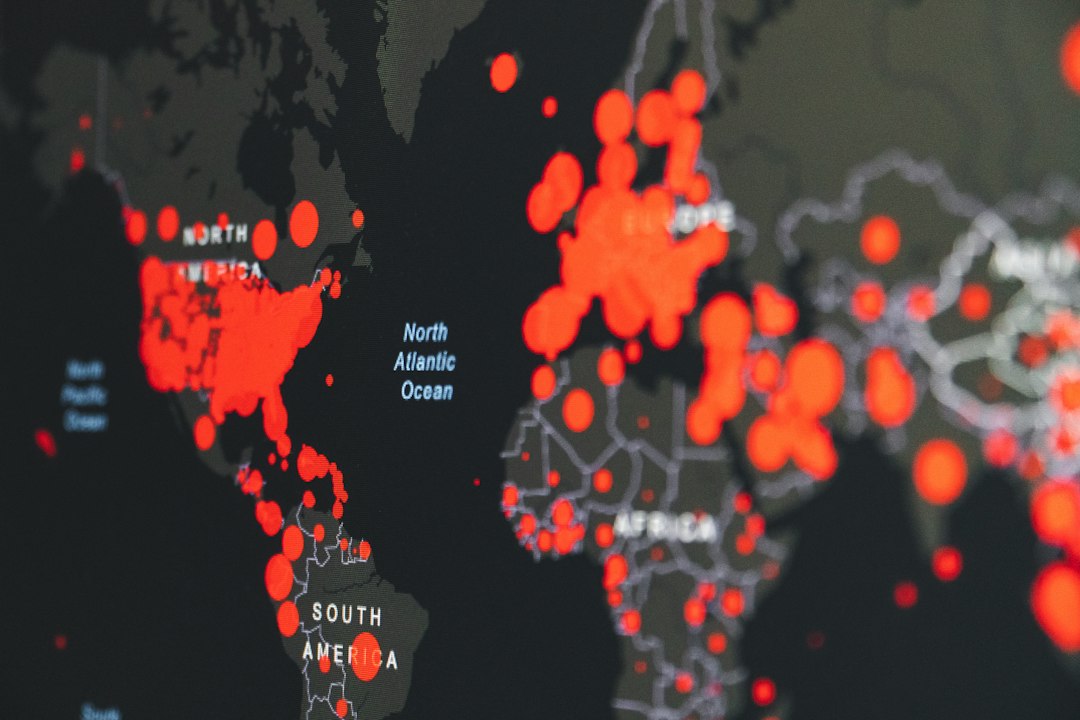
YouTube also influences culture at scale. Viral videos can shape language, humor, consumer behavior, political awareness, and entertainment trends. Creators can become public figures with real social influence. Brands monitor YouTube reactions. Journalists cite YouTube footage. Educators use it in classrooms. This level of social and cultural impact is far beyond that of a simple media player.
The Recommendation Algorithm Encourages Social Discovery
YouTube’s recommendation system is another critical element in its classification as social media. Like other social platforms, YouTube uses algorithms to suggest content based on user behavior, interests, engagement patterns, and popularity signals. The homepage, “Up next” panel, search results, Shorts feed, and notifications all guide users toward content they are likely to watch or interact with.
This algorithmic discovery is not purely technical. It influences what communities people find, which creators grow, what topics become visible, and which conversations gain momentum. A user who watches cooking videos may be guided toward chefs, food reviewers, nutrition channels, and cooking communities. Someone interested in personal finance may discover educators, commentators, and audience discussions related to investing or budgeting.
In other words, YouTube does not only host content; it actively shapes social attention. That is a hallmark of modern social media networks. The platform plays a major role in connecting creators with audiences and audiences with each other.
Communities Form Around Creators and Interests
Many YouTube channels develop communities with shared language, expectations, rituals, and values. Viewers may refer to themselves by a collective name, participate in inside jokes, support creators during livestreams, attend events, or join related spaces on other platforms. These communities often extend beyond the video page into Discord servers, newsletters, fan forums, memberships, and live events.
YouTube’s Community tab reinforces this social structure. Creators can post polls, images, text updates, questions, and announcements. Viewers can respond without requiring a new video upload. This makes YouTube resemble other feed-based social networks, where frequent lightweight interaction helps maintain relationships between major content releases.
Live streaming adds another layer. During a live stream, viewers interact in real time through live chat, donations, memberships, and reactions. The experience is not passive viewing; it is a shared event. Participants may respond to the creator, speak to one another, influence the direction of the stream, and feel part of a collective moment.
YouTube Supports Influencers, Brands, and the Creator Economy
Social media networks are also known for creating influencers and enabling digital entrepreneurship. YouTube is one of the most important platforms in the global creator economy. Through advertising revenue, sponsorships, memberships, merchandise, affiliate marketing, and fan support, creators can build businesses around their audiences.
This commercial dimension is deeply social. Brands partner with creators because audiences trust them, follow them, and engage with them. A recommendation from a respected YouTuber can influence purchasing decisions more effectively than a traditional advertisement. This influence depends on the relationship between creator and community.
Organizations also use YouTube as a social media channel. Governments, universities, nonprofits, media outlets, and companies publish videos, respond to public interest, host live briefings, and measure engagement. Their YouTube presence is often part of a wider social media strategy, alongside platforms such as Instagram, LinkedIn, TikTok, and Facebook.
Why Some People Question the Classification
Some people hesitate to call YouTube social media because it is video-centered and often used like a search engine. Many users visit YouTube to learn how to repair something, watch a lecture, listen to music, or find a review. This makes YouTube different from platforms that emphasize personal status updates or short social posts.
However, a platform can be more than one thing at the same time. YouTube is a video platform, a search engine, an advertising platform, an entertainment service, an educational resource, and a social media network. These categories are not mutually exclusive. In fact, YouTube’s power comes from combining them.
The essential question is not whether every user behaves socially every time they visit. The question is whether the platform’s design enables and encourages social interaction, identity, content creation, community building, and networked communication. By that standard, YouTube clearly qualifies.
Comparison With Traditional Media
Traditional media, such as television, radio, and cinema, generally follows a one-way communication model. Producers create content, and audiences consume it. Feedback may exist, but it is delayed, limited, and separated from the content itself. YouTube changed that model by making interaction immediate, visible, and measurable.
A television viewer cannot usually comment directly below a program for everyone else to see. They cannot subscribe to an independent broadcaster with one click, join a live chat during an episode, or influence future programming through public engagement metrics. On YouTube, those behaviors are ordinary.
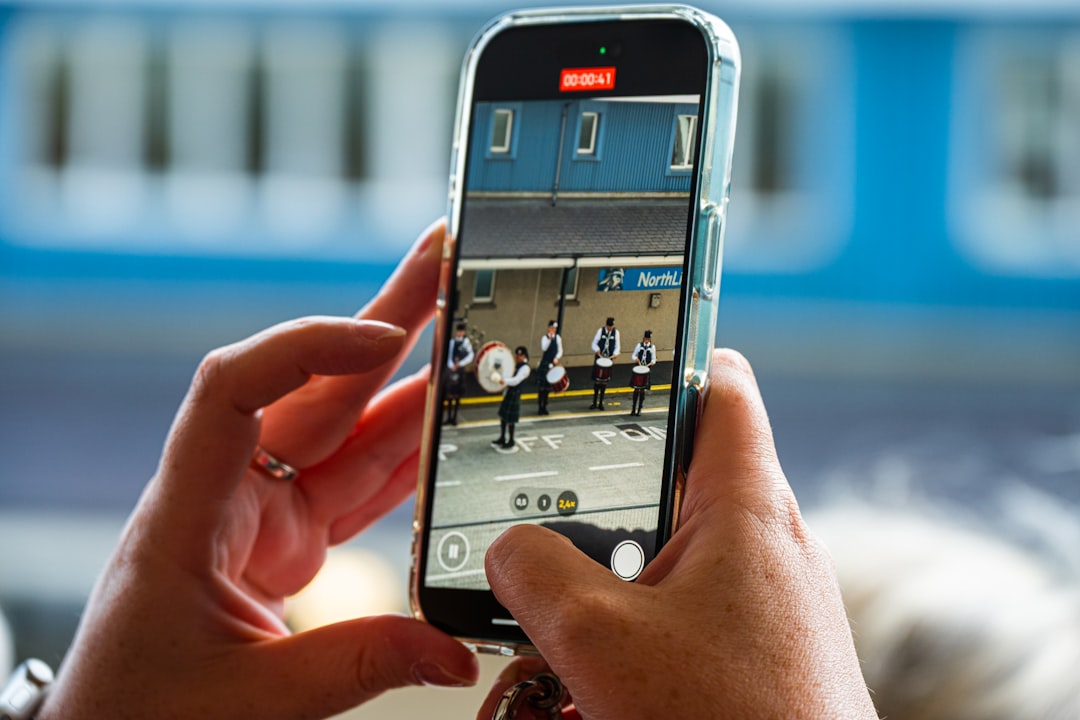
This shift from one-way broadcasting to participatory media is one of the clearest reasons YouTube belongs in the social media category. It gives audiences a voice and gives creators direct access to their communities.
Conclusion
YouTube is classified as a social media network because it enables the core activities that define social media: creating profiles, publishing user-generated content, building audiences, subscribing to creators, commenting, sharing, livestreaming, and forming communities. Its video-first format may distinguish it from text-based or image-based platforms, but format alone does not determine whether a service is social media.
The platform’s influence comes from the relationships it supports. Creators communicate with viewers, viewers communicate with creators, and communities form around shared interests. Algorithms amplify content, comments shape discussion, and subscriptions create ongoing social connections. For individuals, businesses, educators, and public institutions, YouTube is not simply a place to host videos. It is a major social network where attention, trust, identity, and community are built over time.