AWS Asia Pacific ap-southeast Regions are designed to give organizations low-latency cloud infrastructure across Southeast Asia and Oceania. These Regions support application hosting, data storage, analytics, artificial intelligence, disaster recovery, and compliance-focused architectures closer to users in countries such as Singapore, Australia, Indonesia, Malaysia, Thailand, and New Zealand.
TLDR: The AWS ap-southeast family includes cloud Regions such as Singapore, Sydney, Jakarta, Melbourne, Malaysia, New Zealand, and Thailand, each built with multiple Availability Zones for resilience. A company serving customers in Singapore and Indonesia, for example, may place production workloads in ap-southeast-1 and disaster recovery in ap-southeast-3 to reduce latency and improve regional continuity. In many real-world deployments, using at least three Availability Zones can significantly improve fault tolerance compared with a single-site setup. Service coverage varies by Region, so teams usually compare required services before choosing a deployment location.
What AWS ap-southeast Regions Mean
In AWS, a Region is a separate geographic area containing multiple, isolated data center clusters called Availability Zones. The ap-southeast naming pattern refers to AWS Regions located mainly in Southeast Asia and nearby Asia Pacific markets. Each Region has its own code, such as ap-southeast-1 for Singapore or ap-southeast-2 for Sydney.
Organizations select these Regions based on factors such as customer location, regulatory requirements, service availability, cost, and disaster recovery strategy. A digital bank, for instance, may prioritize data residency and high availability, while a gaming company may prioritize latency for users in Singapore, Jakarta, Bangkok, or Sydney.
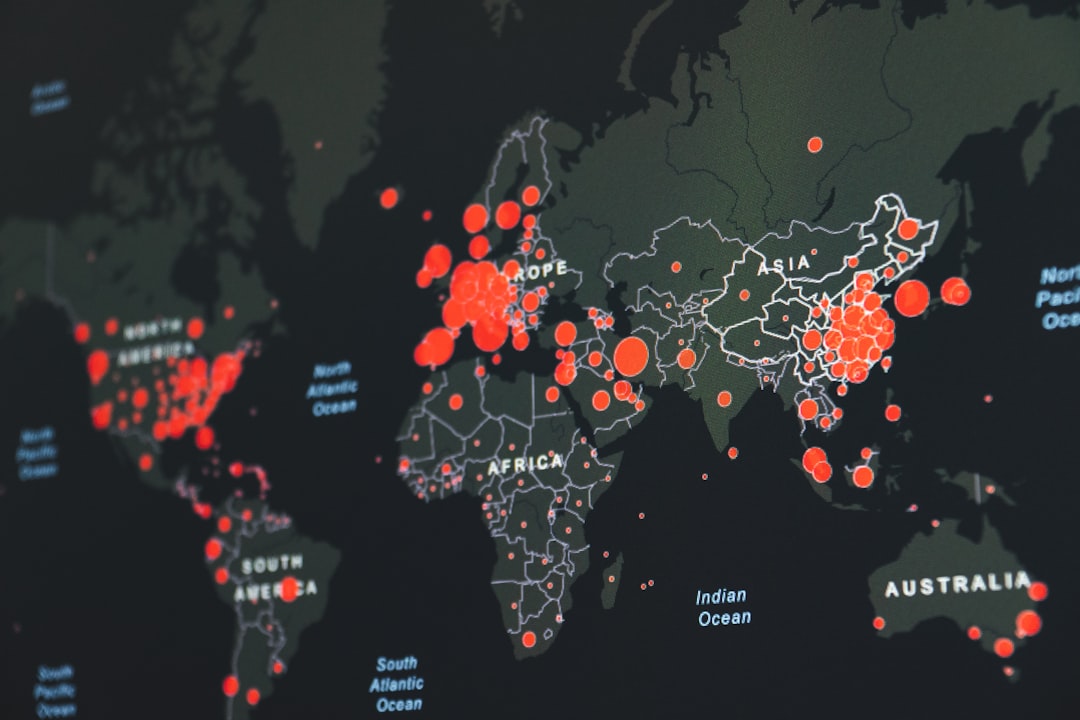
Main AWS Asia Pacific ap-southeast Regions
The ap-southeast group includes several major AWS Regions. Availability Zone counts may evolve, but these Regions are generally designed with multiple AZs to support resilient cloud architecture.
- Asia Pacific Singapore, ap-southeast-1: One of the most established AWS Regions in Asia Pacific. It is widely used for regional headquarters, fintech platforms, SaaS products, media delivery, and enterprise workloads across Southeast Asia.
- Asia Pacific Sydney, ap-southeast-2: A major Region for Australia and nearby markets. It is commonly used by public sector organizations, financial services, healthcare, retail, and large enterprise workloads.
- Asia Pacific Jakarta, ap-southeast-3: Built to serve Indonesia and surrounding markets. It is important for applications requiring lower latency to Indonesian users and for organizations with local regulatory or data residency needs.
- Asia Pacific Melbourne, ap-southeast-4: A second Australian Region that helps organizations design in-country disaster recovery, business continuity, and multi-Region architectures within Australia.
- Asia Pacific Malaysia, ap-southeast-5: A newer Region serving Malaysian customers and nearby Southeast Asian markets. It supports local digital transformation, regulated workloads, and latency-sensitive applications.
- Asia Pacific New Zealand, ap-southeast-6: Designed for workloads that require infrastructure closer to New Zealand users, helping reduce latency and support local data residency strategies.
- Asia Pacific Thailand, ap-southeast-7: Built to serve Thailand and neighboring markets, supporting local enterprises, government modernization, e-commerce, and digital services.
Availability Zones Explained
An Availability Zone, or AZ, is one or more discrete data centers with independent power, networking, and cooling. AZs within a Region are physically separated but connected through low-latency private networking. This design allows applications to remain available even if one AZ experiences disruption.
Most production architectures in AWS use at least two or three Availability Zones. For example, an application in Singapore may run Amazon EC2 instances across three AZs, place its database in a Multi-AZ Amazon RDS configuration, and use an Elastic Load Balancer to distribute traffic. If one AZ fails, traffic can continue through the remaining AZs.
One important detail is that AZ names are mapped differently between AWS accounts. For example, ap-southeast-1a in one account may not represent the same physical AZ as ap-southeast-1a in another account. AWS does this to distribute customer usage more evenly.

Service Coverage Across ap-southeast Regions
Service coverage is not identical in every AWS Region. Mature Regions such as Singapore and Sydney typically offer broad service availability, including compute, storage, databases, analytics, containers, machine learning, networking, security, and developer tools. Newer Regions often launch with core services and expand over time.
Commonly available services across many ap-southeast Regions include:
- Compute: Amazon EC2, AWS Lambda, Auto Scaling, and Elastic Load Balancing.
- Storage: Amazon S3, Amazon EBS, Amazon EFS, and backup-related services.
- Databases: Amazon RDS, Amazon Aurora in supported Regions, DynamoDB, and ElastiCache.
- Networking: Amazon VPC, AWS Transit Gateway, Route 53, Direct Connect in supported locations, and private connectivity options.
- Security: AWS IAM, AWS KMS, AWS WAF, AWS Shield, Secrets Manager, and CloudTrail.
- Analytics and AI: Services such as Amazon Redshift, Glue, Athena, SageMaker, and Bedrock availability depending on the Region.
Before selecting a Region, architects typically check whether required services, instance families, compliance programs, and managed database features are available. This is especially important for workloads using newer AI services, specialized GPUs, edge integrations, or advanced analytics platforms.
How Organizations Choose the Right Region
Region selection usually begins with latency. Applications should run close to the majority of their users whenever possible. A streaming service targeting Indonesian users may choose Jakarta, while a financial platform serving Southeast Asia broadly may choose Singapore because of its mature service ecosystem and connectivity.
Compliance and data residency are also major factors. Some organizations must keep customer records, payment data, health information, or government workloads inside a specific country. In those cases, Malaysia, Thailand, New Zealand, Indonesia, or Australia may be selected to meet local obligations.
Disaster recovery is another key reason to use multiple ap-southeast Regions. An Australian company may operate its primary platform in Sydney and replicate critical systems to Melbourne. A Southeast Asian company may run production in Singapore and maintain backup infrastructure in Jakarta or Malaysia. Recovery time objectives and recovery point objectives then determine how much data is replicated and how quickly failover must occur.
Image not found in postmetaBest Practices for Deploying in ap-southeast
- Use multiple AZs: Production applications should avoid single-AZ designs where availability matters.
- Verify service availability: Required AWS services should be checked in the selected Region before deployment.
- Design for latency: User location, API response times, and network routing should influence Region choice.
- Plan data residency early: Compliance requirements should be reviewed before databases and storage buckets are created.
- Consider multi-Region recovery: Critical systems may need replication to another ap-southeast Region.
- Monitor costs by Region: Pricing can vary for compute, storage, data transfer, and managed services.
Conclusion
AWS Asia Pacific ap-southeast Regions provide a broad and growing cloud foundation for organizations operating across Southeast Asia and Oceania. Singapore and Sydney remain mature regional hubs, while Jakarta, Melbourne, Malaysia, New Zealand, and Thailand give organizations more options for latency, compliance, and resilience. The strongest architecture is usually the one that combines the right Region, multiple Availability Zones, suitable service coverage, and a clear disaster recovery plan.
FAQ
- What is an AWS ap-southeast Region?
An AWS ap-southeast Region is a geographic AWS cloud location in Southeast Asia or nearby Asia Pacific markets, identified by codes such as ap-southeast-1 or ap-southeast-2. - Which AWS Region is ap-southeast-1?
ap-southeast-1 is the AWS Asia Pacific Singapore Region. - Which AWS Region is best for Australia?
Australian workloads commonly use ap-southeast-2 in Sydney or ap-southeast-4 in Melbourne, depending on latency, service availability, and disaster recovery needs. - Do all ap-southeast Regions have the same AWS services?
No. Service coverage varies by Region. Older Regions usually have broader coverage, while newer Regions expand their service catalog over time. - Why are Availability Zones important?
Availability Zones help applications remain resilient by spreading workloads across separate data center locations within the same Region. - Can a company use more than one ap-southeast Region?
Yes. Many organizations use multiple Regions for disaster recovery, lower latency, regulatory compliance, or business continuity.