In modern classrooms, student engagement is no longer optional—it is fundamental to meaningful learning. As educational environments evolve due to technological advancement, diverse learning needs, and shifting pedagogical standards, teachers must adopt strategic tools that foster participation, collaboration, and active thinking. Student engagement tools for classroom interaction provide structured ways to capture attention, assess comprehension, and build a culture of involvement. When used deliberately, these tools transform classrooms from passive listening environments into dynamic spaces of inquiry and dialogue.
TLDR: Student engagement tools strengthen classroom interaction by encouraging active participation, collaboration, and real-time feedback. Digital platforms, gamified systems, collaborative boards, and formative assessment applications help teachers monitor understanding and support diverse learners. When implemented strategically, these tools foster inclusivity, motivation, and deeper learning outcomes. Effective engagement is less about novelty and more about purposeful integration into instructional design.
Student engagement encompasses behavioral, emotional, and cognitive involvement in learning. Behavioral engagement includes participation in activities, emotional engagement reflects interest and motivation, and cognitive engagement refers to investment in understanding complex ideas. Effective tools address at least one of these dimensions—often all three.
Digital Polling and Real-Time Feedback Tools
Real-time polling platforms have become essential instruments for classroom interaction. These tools allow educators to pose questions and instantly view collective responses. Whether through multiple-choice questions, open-ended prompts, or word clouds, polling systems immediately involve students in the lesson.
- Check for understanding: Teachers can quickly assess whether students grasp key concepts.
- Encourage participation: Even hesitant students can respond anonymously.
- Guide instruction: Immediate feedback informs pacing and clarification.
Real-time feedback tools reduce the fear of public mistakes, thereby increasing honest participation. They are particularly effective in large classrooms, where individual verbal responses may be limited. By embedding small interactive checkpoints throughout a lesson, instructors maintain attention while reinforcing learning objectives.

Collaborative Boards and Digital Discussion Spaces
Collaborative digital boards provide shared visual spaces where students can post ideas, comment on peers’ contributions, and build collective knowledge. These tools replicate the experience of brainstorming on a whiteboard while extending participation beyond physical limitations.
The value of collaborative boards lies in their capacity to democratize classroom conversation. Rather than a few voices dominating discussion, every student can contribute. This fosters:
- Inclusive participation
- Peer-to-peer feedback
- Deeper reflection before responding
Such platforms are especially effective during project-based learning, literature analysis, and group research tasks. By documenting ideas visually, they create an ongoing reference point for discussion and revision. Moreover, archived boards allow teachers to track intellectual growth over time.
Gamified Learning Systems
Gamification leverages elements such as points, badges, challenges, and leaderboards to stimulate motivation. When integrated responsibly, gamified tools can significantly increase student investment in academic tasks.
However, effective gamification requires balance. The emphasis must remain on mastery and understanding rather than competition alone. Educators should design activities that:
- Reward effort and progress
- Encourage teamwork
- Promote problem-solving skills
- Avoid discouraging lower-performing students
Game-based quizzes and challenge-based learning modules create excitement while reinforcing curricular content. Importantly, these tools also provide actionable data, helping teachers identify misconceptions and areas requiring reinforcement.
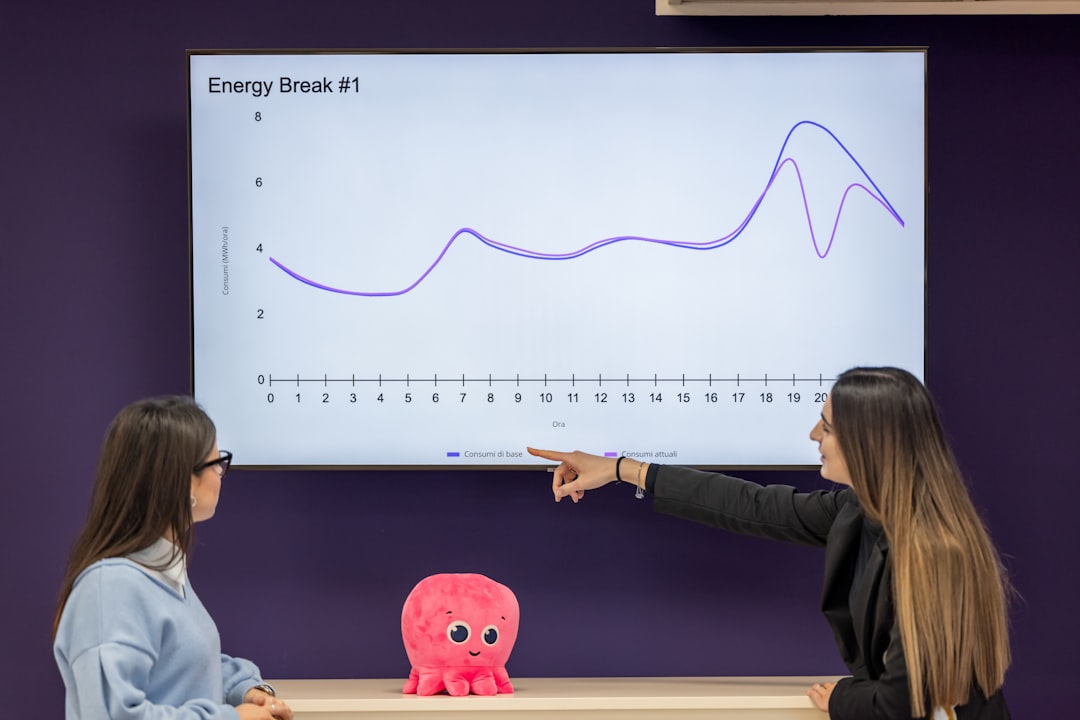
Interactive Presentation Platforms
Traditional slide-based lectures often contribute to passivity. Interactive presentation platforms transform static lectures into two-way experiences. Teachers can embed polls, short quizzes, drawing exercises, and discussion prompts directly into their presentations.
This integration serves several functions:
- Breaks monotony: Short activities re-energize attention.
- Promotes accountability: Students know participation is expected.
- Encourages thoughtful pacing: Instructors pause to assess understanding.
Rather than presenting information continuously for extended periods, educators insert engagement intervals approximately every 10–15 minutes. Research consistently demonstrates that attention wanes during prolonged lectures, making interactive slides a powerful corrective strategy.
Formative Assessment Applications
Formative assessment tools allow educators to continuously monitor learning progress without relying solely on high-stakes testing. These platforms may include short quizzes, exit tickets, reflection submissions, and adaptive problem sets.
The benefits extend beyond grading convenience. Effective formative engagement tools:
- Provide immediate corrective feedback
- Identify learning gaps early
- Encourage metacognitive awareness
- Promote a growth mindset
When students receive prompt, constructive input, they are more likely to adjust their strategies. Additionally, teachers can differentiate instruction by assigning targeted follow-up tasks. In this way, engagement tools support both collective instruction and individualized learning paths.
Discussion Facilitation Technologies
High-quality discussion remains one of the most powerful drivers of understanding. Technology can strengthen—not replace—this process. Structured discussion platforms allow students to respond to prompts, reply to classmates, and build threaded conversations.
These systems are particularly valuable for:
- Introverted students who need processing time
- Remote or hybrid classrooms
- Extending discussion beyond class hours
By offering asynchronous opportunities for expression, educators ensure deeper cognitive engagement. Students can reflect, research, and craft thoughtful responses rather than speaking impulsively. Structured moderation further reinforces respectful communication and critical thinking.

Student Response Systems and Clickers
Student response systems, including handheld clickers and mobile-based response platforms, remain highly effective for structured participation. These tools standardize engagement and enable participation tracking.
Unlike open-ended discussions, response systems focus attention on specific learning objectives. Instructors can pose conceptual questions designed to reveal misunderstandings. Peer discussion followed by re-polling often leads to improved comprehension—a instructional strategy supported by educational research.
This approach fosters:
- Active reasoning
- Peer instruction
- Evidence-based debate
Project-Based and Collaborative Management Tools
Engagement significantly increases when students work toward tangible outcomes. Project management platforms designed for classroom use enable collaborative planning, task assignment, and progress tracking.
These tools teach essential skills beyond content mastery, including:
- Time management
- Accountability
- Role delegation
- Strategic planning
By making project milestones visible, educators reinforce responsibility and encourage equitable contribution. Students gain clarity regarding expectations and deadlines, reducing ambiguity and fostering ownership of learning.
Key Principles for Effective Implementation
While student engagement tools offer numerous benefits, their effectiveness depends on strategic implementation. Technology alone does not create engagement; intentional pedagogy does. Educators should consider the following principles:
- Align tools with learning objectives: Every interactive activity must serve a clear purpose.
- Prioritize accessibility: Ensure tools accommodate diverse learners and abilities.
- Avoid overload: Excessive technology can distract rather than enhance.
- Maintain instructional clarity: Engagement should simplify, not complicate, the lesson.
- Evaluate outcomes: Regularly assess whether the tool improves comprehension and participation.
Professional development and institutional support also play significant roles. Teachers must receive adequate training to integrate tools efficiently and confidently. Without preparation, even well-designed tools may be underutilized or misapplied.
Addressing Equity and Inclusion
A serious discussion of engagement tools must include equity considerations. Not all students have equal access to devices or high-speed internet, particularly in remote or hybrid settings. Schools must provide equitable infrastructure and ensure that engagement strategies do not inadvertently disadvantage certain learners.
In addition, culturally responsive teaching practices should guide tool selection. Engagement tools should:
- Reflect diverse perspectives
- Encourage respectful dialogue
- Support multilingual learners
- Provide adaptable accommodations
When inclusivity informs implementation, technology becomes a bridge rather than a barrier.
Measuring the Impact of Engagement Tools
To determine effectiveness, educators and administrators should rely on measurable indicators such as:
- Improved attendance and participation rates
- Higher formative assessment scores
- Increased assignment completion
- Positive student feedback
- Observable growth in critical thinking
Quantitative data should be complemented by qualitative observations. Are students asking more questions? Are discussions more substantive? Do learners demonstrate stronger retention weeks after instruction? These signals provide insight into whether engagement tools are fostering durable understanding.
Conclusion
Student engagement tools for classroom interaction are not temporary trends; they represent a broader shift toward active, learner-centered education. By integrating digital polling, collaborative platforms, gamified systems, formative assessments, and structured discussion technologies, educators create environments where participation becomes routine rather than exceptional.
However, the true power of these tools lies in thoughtful application. When aligned with clear objectives, supported by inclusive practices, and evaluated for effectiveness, engagement tools elevate both teaching and learning. They promote accountability, curiosity, and collaboration—qualities essential for academic success and lifelong learning. In an increasingly complex educational landscape, fostering meaningful interaction is not merely beneficial; it is indispensable.