For most healthcare organizations, the right HIPAA compliance plan starts with a real risk assessment, then uses tools to track the work. Software can help, but it cannot replace proof that you inspected how protected health information, or PHI, is created, stored, shared, and exposed.
TLDR: HIPAA compliance tools are useful for reminders, policy storage, training logs, and vendor tracking, but the core requirement is still a documented risk analysis and risk management plan. For example, a six-provider clinic may use a compliance platform and discover 37 open tasks, yet its biggest exposure may be one unencrypted laptop and three unsigned business associate agreements. In one practical review, fixing the top five risks can reduce breach exposure far more than buying a bigger software package. Use tools for structure, but use risk assessments and audits for evidence.
HIPAA compliance checklist: the short version
A solid HIPAA checklist should cover more than passwords and annual training. HIPAA includes privacy rules, security safeguards, breach notice duties, and vendor controls. The checklist below works for small practices, billing companies, telehealth providers, health plans, and business associates.
- Identify PHI: List where PHI lives, including EHRs, email, billing systems, paper charts, backups, chat apps, and scanned files.
- Complete a risk analysis: Review threats, weak points, likelihood, impact, and current safeguards.
- Create a risk management plan: Assign owners, deadlines, budgets, and status updates for each risk.
- Maintain written policies: Cover access, passwords, device use, remote work, breach response, sanctions, and patient rights.
- Train the workforce: Train new hires and refresh staff regularly. Keep records.
- Control access: Use unique logins, role-based access, multi-factor authentication where possible, and fast offboarding.
- Protect devices and systems: Encrypt laptops, manage mobile devices, patch software, and monitor backups.
- Review business associates: Confirm signed BAAs with billing vendors, cloud platforms, IT providers, shredding services, and consultants.
- Prepare for breaches: Set a response workflow for investigation, notice, documentation, and reporting.
- Keep evidence: Save audit logs, training records, risk reports, policies, screenshots, and meeting notes.
What HIPAA compliance tools do well
HIPAA compliance tools are built to organize the mess. That matters. Compliance work becomes painful fast when policies sit in one shared drive, training records sit in another, and vendor contracts hide in someone’s inbox.
Typical tools include:
- Compliance management platforms for checklists, reminders, dashboards, and documentation.
- Policy management tools for templates, approvals, signatures, and version history.
- Training systems that assign HIPAA modules and record completion.
- Vendor management software for BAAs, due diligence, and renewal alerts.
- Security tools like endpoint protection, encryption, access logging, backup monitoring, and vulnerability scanning.
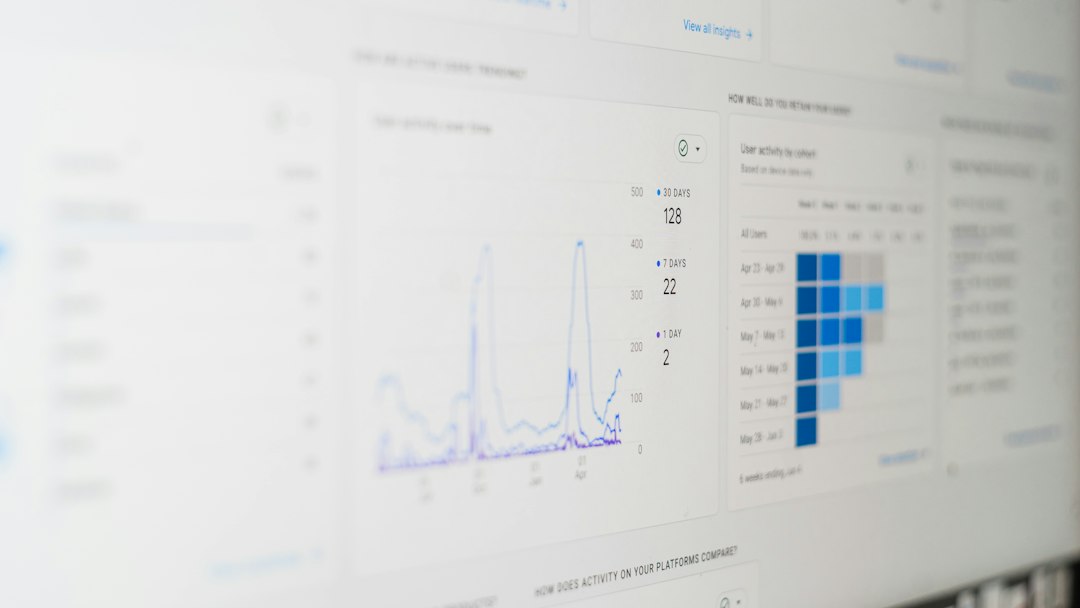
The best tools make compliance visible. A privacy officer can see that 92% of staff completed training, four vendors need updated BAAs, and two laptops have not checked in for encryption status. That beats guessing.
Honestly, it feels like some platforms confuse activity with progress. A dashboard may show a cheerful green score, while nobody has tested breach response or reviewed admin access in six months. Worse, some tools make simple actions slow. If uploading a signed BAA takes 45 seconds and six clicks, staff will avoid it. Then your “system of record” becomes another half-used folder.
What tools cannot do for you
HIPAA does not require a specific software subscription. It requires reasonable safeguards and documented decisions. A tool can ask questions, but it cannot fully know your workflow. It cannot see that the front desk prints schedules and leaves them near a public window. It cannot know that a nurse texts wound photos to a personal phone unless someone checks.
Tools also do not create automatic HIPAA compliance. There is no official, government-approved HIPAA certification that makes an organization “done.” If a vendor claims its badge solves everything, be careful. OCR, the federal office that enforces HIPAA, expects evidence of ongoing risk analysis, mitigation, policies, training, and response.
Risk assessment: the non-negotiable foundation
A HIPAA risk assessment, often called a security risk analysis, reviews electronic PHI and the systems that touch it. It should be specific, not generic. A copied checklist with “yes” boxes will not hold up well if a breach occurs.
A strong assessment should include:
- Asset inventory: EHR, email, servers, laptops, phones, printers, cloud storage, backup tools, and medical devices.
- Data flow mapping: How PHI enters, moves through, and leaves the organization.
- Threat review: Ransomware, lost devices, insider misuse, phishing, vendor failure, natural events, and improper disposal.
- Vulnerability review: Weak passwords, shared accounts, missing patches, poor access reviews, and unencrypted storage.
- Likelihood and impact scoring: Rank each risk so the team can act in the right order.
- Mitigation plan: Name the fix, owner, deadline, and follow-up method.
The risk assessment is not a one-time binder. Run it at least annually and after major changes, such as a new EHR, merger, telehealth launch, office move, or ransomware event.

Audit alternatives: when you need more than software
Many organizations compare tools against audits, but they solve different problems. A tool helps manage tasks. An audit tests whether the tasks are real, complete, and defensible.
Good alternatives or additions include:
- Internal HIPAA audit: Staff review policies, access logs, training, BAAs, incident records, and device controls.
- Third-party risk assessment: An outside consultant interviews staff, reviews evidence, and produces a findings report.
- Security assessment: A technical review of endpoints, networks, cloud settings, backups, and user access.
- Penetration test: Ethical hackers test whether systems can be exploited.
- Mock OCR audit: A readiness review based on federal audit protocol areas.
Expect to waste time on audits if your evidence is scattered. Auditors do not want vague claims. They want proof. “We train employees” is weak. A report showing 48 assigned users, 46 completions, two overdue notices, and the training content used is much stronger.
HIPAA tools vs risk assessment vs audits
| Option | Best for | Main weakness |
|---|---|---|
| Compliance tools | Task tracking, training, policy storage, reminders, vendor lists | May create a false sense of completion |
| Risk assessment | Finding real threats to PHI and ranking fixes | Needs honest input and regular updates |
| Audit | Testing evidence, controls, and readiness | Can be costly and uncomfortable if records are poor |
How to choose the right approach
Small clinics can often start with a guided risk assessment, basic policy templates, staff training, and a simple evidence folder. A full platform may help once the organization has multiple locations, many vendors, or frequent staff turnover.
Larger groups usually need both software and audit support. If you manage 200 employees, 40 business associates, remote workers, and several cloud systems, spreadsheets will break down. Missed access removal for one former employee can become a serious issue.
Business associates should be just as careful. Billing firms, managed service providers, cloud vendors, transcription companies, and analytics teams may not treat patients, but they still handle PHI. Their checklist should focus heavily on BAAs, access controls, encryption, subcontractors, and incident reporting timelines.
A practical action plan
- Week 1: Assign a privacy officer and security officer, even if the same person fills both roles.
- Week 2: Inventory PHI systems, vendors, devices, and data flows.
- Week 3: Complete a risk assessment and score risks by severity.
- Week 4: Fix quick wins, such as missing BAAs, weak passwords, inactive users, and unencrypted laptops.
- Month 2: Update policies, train staff, and test breach response.
- Quarterly: Review access, vendors, incidents, backups, and open risks.
- Annually: Refresh the risk assessment and consider an independent audit.

The best HIPAA compliance setup is not tool versus audit. It is tool plus risk assessment plus evidence. Use software to keep the work moving. Use risk analysis to find what really threatens PHI. Use audits to prove the program works when pressure hits.