Software subscriptions have become the operating system of modern companies. From finance and HR to design, security, sales, customer support, and engineering, every team relies on SaaS tools to move faster. But as the stack grows, so does the risk of duplicate apps, forgotten renewals, hidden auto-renew clauses, unused licenses, and contracts nobody can find when they matter most.
TLDR: The best SaaS spend tools help companies track subscriptions, monitor usage, centralize contracts, and send renewal alerts before money is committed. Platforms such as Torii, Zylo, Productiv, Vendr, Tropic, Spendflo, Cledara, and CloudEagle are strong options depending on company size, procurement maturity, and budget. The most valuable tools combine contract visibility, renewal workflows, license optimization, approval controls, and spend analytics in one place.
Why SaaS Spend Management Matters More Than Ever
For many organizations, SaaS spend is no longer a small operational line item. It is one of the fastest-growing categories in the business. The challenge is that SaaS purchasing is often decentralized: marketing buys one platform, product buys another, sales adds several more, and individual teams test tools with corporate cards. Over time, finance and IT may not have a complete view of what the company owns, what it uses, when contracts renew, or who approved the purchase.
This is where SaaS spend management tools become valuable. They create a central source of truth for subscriptions, ownership, usage, renewals, contracts, vendors, and costs. Instead of relying on scattered spreadsheets and calendar reminders, companies can use structured workflows and automated alerts to avoid surprise renewals and negotiate from a position of strength.

What to Look for in a SaaS Spend Tool
The best platform for your company depends on your size, purchasing process, compliance requirements, and how much automation you need. However, several features are especially important if your main priorities are renewal alerts and contract visibility.
- Centralized contract repository: A searchable place to store MSAs, order forms, DPAs, amendments, and renewal terms.
- Automated renewal reminders: Alerts before notice periods, auto-renew dates, and contract end dates.
- Spend discovery: Detection of SaaS payments through accounting systems, expense tools, credit cards, and integrations.
- Usage and license analytics: Visibility into active users, inactive seats, and feature adoption.
- Approval workflows: Processes for new purchases, renewals, security reviews, and budget approvals.
- Vendor ownership: Clear assignment of internal app owners, finance contacts, and procurement stakeholders.
- Negotiation support: Benchmarks, renewal playbooks, and procurement assistance to reduce costs.
1. Torii
Torii is a popular SaaS management platform designed to help IT, finance, and operations teams discover, manage, and optimize applications. It is especially useful for companies that want deep visibility into their app ecosystem and automated workflows for renewals, onboarding, offboarding, and license cleanup.
Torii connects with identity providers, finance systems, expense platforms, and SaaS applications to uncover software usage across the organization. Its renewal tracking helps teams see upcoming contract dates, assign owners, and trigger reminders well before deadlines. The platform is also strong for workflow automation, which means companies can create processes for app approval, contract review, access removal, and renewal evaluation.
Best for: Mid-sized and growing companies that want a strong combination of IT visibility, renewal tracking, and automation.
2. Zylo
Zylo is one of the more established SaaS management platforms and is well known for its spend optimization capabilities. It helps companies discover SaaS tools, analyze expenses, monitor usage, and manage renewals from a centralized system.
One of Zylo’s strengths is its ability to give finance and procurement teams a clearer view of SaaS commitments. Contracts can be centralized and associated with vendors, owners, renewal dates, and spend data. The platform’s dashboards make it easier to spot duplicate tools, underused products, and upcoming renewals that require action.
Zylo also provides benchmarking and optimization insights, which can be helpful during vendor negotiations. If a company wants to know whether it is overpaying, buying too many licenses, or renewing without adequate adoption, Zylo can provide the data needed to make a better decision.
Best for: Companies with significant SaaS spend that need strong analytics, renewal visibility, and optimization insights.
3. Productiv
Productiv focuses heavily on SaaS usage intelligence. While many tools show that an app exists, Productiv goes deeper by measuring how employees actually engage with software. This helps teams understand whether a product is widely adopted, lightly used, or only valuable to a small group.
For renewals, this kind of visibility is powerful. Instead of renewing a contract based only on headcount or historical spend, teams can evaluate real usage patterns before negotiating. Productiv can help identify inactive licenses, redundant apps, and opportunities to consolidate vendors.
Contract visibility is also part of the broader SaaS management workflow. By connecting contract data with adoption analytics, Productiv helps procurement, IT, and business owners collaborate around renewal decisions with better context.
Best for: Organizations that want to connect SaaS contract decisions with detailed product usage and engagement data.
4. Vendr
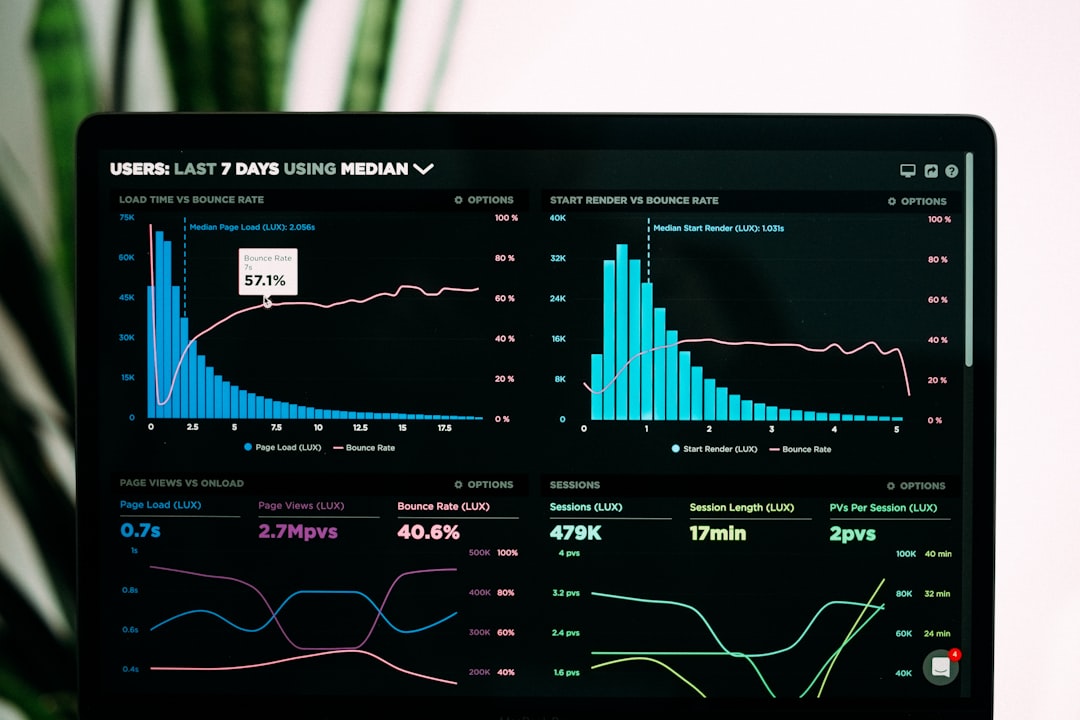
Vendr is built around SaaS buying, negotiation, and procurement. While some platforms focus primarily on discovery and app management, Vendr is especially useful for companies that want help purchasing and renewing software at better prices.
The platform gives companies a structured way to manage vendor negotiations, renewal timelines, approvals, and contracts. Renewal alerts are particularly important in Vendr because procurement teams need enough lead time to evaluate alternatives, gather usage data, and negotiate effectively. Instead of reacting days before a renewal, teams can plan months ahead.
Vendr also offers purchasing support and pricing intelligence, which may appeal to organizations that do not have a large internal procurement team. By combining contract tracking with negotiation expertise, Vendr can help companies avoid rushed renewals and reduce unnecessary spend.
Best for: Companies that want procurement support, SaaS negotiation help, and structured renewal management.
5. Tropic
Tropic is another strong option for SaaS procurement and spend management. It helps companies manage purchasing workflows, vendor data, contracts, renewals, and savings opportunities. Tropic is often used by finance and procurement teams that need better control over software buying without slowing down the business.
With Tropic, contracts and renewal details can be organized in one system so stakeholders are not searching through inboxes or shared drives. The platform helps teams track upcoming renewals, assign responsibilities, and manage vendor negotiations. It can also support intake workflows, so employees request new tools through a standardized process rather than buying software independently.
One of the most useful aspects of Tropic is its focus on procurement visibility. It helps leaders understand not just what the company is spending, but also where purchases are in the approval or renewal process.
Best for: Finance and procurement teams seeking strong purchasing workflows, contract organization, and renewal planning.
6. Spendflo
Spendflo combines SaaS buying support with spend management and contract tracking. It is designed to help companies save money on SaaS purchases and renewals while creating a more organized procurement process.
Spendflo can help centralize software contracts, track renewal dates, and provide alerts before key deadlines. Its procurement specialists and platform features support vendor negotiations, which can be valuable for companies that want external expertise during renewals. The tool is also useful for tracking savings and understanding how much value procurement activity is creating.
For fast-growing companies, Spendflo can replace the messy combination of spreadsheets, email reminders, and ad hoc vendor calls. By giving teams better visibility into contracts and renewal obligations, it helps prevent last-minute decisions and accidental auto-renewals.
Best for: Growing companies that want a mix of SaaS spend visibility, renewal alerts, and assisted procurement.
7. Cledara
Cledara is a SaaS management and payments platform that gives companies control over software subscriptions through virtual cards, approval workflows, and centralized subscription tracking. It is especially attractive for startups and smaller companies that want a practical way to manage SaaS spending before it becomes chaotic.
Because Cledara helps teams pay for tools through controlled cards, it can provide real-time visibility into active subscriptions. This makes it easier to spot recurring charges, identify owners, and track upcoming renewals. Approval workflows help prevent unauthorized purchases, while budgeting features give finance teams more control.
Cledara may not be as deep in enterprise-level usage analytics as some larger SaaS management platforms, but its strength is simplicity and spend control. For companies that need to know what is being purchased, who owns it, and when it renews, it can be a very practical solution.
Best for: Startups and small to mid-sized businesses that want subscription visibility, payment controls, and renewal tracking.
8. CloudEagle
CloudEagle provides SaaS management, procurement automation, contract visibility, and renewal tracking. It is built to help companies discover applications, manage licenses, reduce spend, and streamline vendor operations.
The platform can centralize contracts and connect them with application records, owners, renewal dates, and spend information. This makes it easier for teams to understand which contracts are active, when they renew, and what action is needed. CloudEagle also offers workflows for procurement and renewals, helping teams collaborate across finance, IT, legal, and business units.
Its license optimization features can help identify unused seats and savings opportunities before contracts renew. That is important because the best time to reduce SaaS waste is before a renewal order form is signed, not after another year of excess licenses has already been committed.
Best for: Companies looking for SaaS management, procurement workflows, license optimization, and contract visibility in one platform.

How Renewal Alerts Prevent SaaS Waste
Renewal alerts may sound simple, but they can produce major savings. Many SaaS contracts include notice periods requiring cancellation or renegotiation 30, 60, or even 90 days before the renewal date. If a company misses that window, it may be locked into another year of spend whether the tool is useful or not.
Good renewal alerts do more than send a single notification. They create a timeline for action. For example, a tool might notify the app owner 120 days before renewal, ask IT to review usage 90 days out, ask finance to confirm budget 60 days out, and involve legal or procurement before final signature. This turns renewals into a managed business process rather than a last-minute scramble.
Why Contract Visibility Is Just as Important
Contract visibility is the foundation of SaaS control. Without contracts, leadership cannot easily answer basic questions: What are the renewal terms? Is there an auto-renew clause? How many licenses are included? Are there price increases? Who signed the agreement? Is the vendor allowed to process sensitive data?
A strong SaaS spend tool makes contracts searchable, structured, and connected to spend and usage data. That means teams can quickly compare what they bought with what they actually use. It also helps legal, security, finance, and procurement work from the same information instead of maintaining separate records.
Choosing the Right Tool
There is no single best SaaS spend tool for every organization. The right choice depends on your biggest pain point. If IT needs better app discovery and automation, Torii or Productiv may be appealing. If procurement needs negotiation support, Vendr, Tropic, or Spendflo may be stronger fits. If finance wants simple payment control and subscription visibility, Cledara can be a practical option. If you want a broad balance of SaaS management, workflows, and optimization, CloudEagle or Zylo may be worth evaluating.
Before choosing a platform, create a short list of requirements. Ask whether the tool integrates with your accounting system, identity provider, expense platform, and major SaaS applications. Confirm how renewal alerts work, whether contract fields are searchable, and whether the system can assign owners to each vendor. Most importantly, make sure the platform supports the way your company actually buys software.
Final Thoughts
SaaS spend management is no longer just about cutting costs. It is about creating visibility, accountability, and better decision-making across the software lifecycle. The best tools help companies understand what they own, how much they spend, when contracts renew, and whether each application is delivering value.
Renewal alerts and contract visibility are two of the most important capabilities because they directly affect financial control. When teams can see upcoming renewals, review usage, access contract terms, and negotiate early, they avoid waste and make smarter choices. Whether you choose Torii, Zylo, Productiv, Vendr, Tropic, Spendflo, Cledara, CloudEagle, or another platform, the goal is the same: turn SaaS from a scattered expense into a managed, strategic investment.