For SEO agencies, link building is often the most time-consuming part of a campaign. Prospecting websites, verifying metrics, personalizing outreach, tracking replies, and reporting results can eat up dozens of hours each month. Backlink automation tools help agencies streamline these repetitive tasks while keeping strategy, quality control, and relationship-building in human hands.
TLDR: Backlink automation tools help SEO agencies scale link-building workflows by automating prospect discovery, outreach sequences, backlink monitoring, and reporting. For example, an agency managing 12 clients might reduce manual prospecting time by 40% by using automated filters for domain authority, traffic, niche relevance, and spam indicators. These tools do not replace strategic thinking, but they make campaigns faster, more measurable, and easier to manage. The best results come from combining automation with personalized outreach and strict link-quality standards.
What Are Backlink Automation Tools?
Backlink automation tools are platforms designed to simplify and speed up the process of acquiring, tracking, and managing backlinks. Instead of manually searching Google for guest post opportunities, copying contact details into spreadsheets, and checking backlinks one by one, agencies can use software to handle much of the operational work.
These tools may include features such as:
- Prospect discovery based on keywords, competitors, industries, or content topics
- Website quality analysis using metrics like domain rating, organic traffic, spam score, and relevance
- Email outreach automation with scheduled follow-ups and personalization fields
- Backlink monitoring to confirm whether links are live, removed, nofollow, or changed
- Campaign reporting for clients and internal performance reviews
The goal is not to generate links blindly. In fact, careless automation can lead to poor-quality backlinks, spammy outreach, and reputational damage. The real value comes from using automation to support a structured, human-led SEO process.
Why SEO Agencies Need Automation
Agencies usually manage multiple clients at once, each with different industries, competitors, budgets, and link-building goals. A manual workflow may work for one or two campaigns, but it becomes difficult to scale when an agency is handling 10, 20, or 50 clients.
Backlink automation tools help agencies solve three major problems: time, consistency, and visibility.
Time savings are the most obvious benefit. If a team spends 15 hours per client per month on prospecting and outreach administration, even a 30% reduction can free up significant capacity. That time can be redirected toward content strategy, relationship-building, and campaign analysis.
Consistency is another major advantage. Automation allows teams to create repeatable workflows: source prospects, qualify them, assign them to outreach lists, send personalized emails, track replies, and monitor placements. This reduces the risk of missed follow-ups or forgotten opportunities.
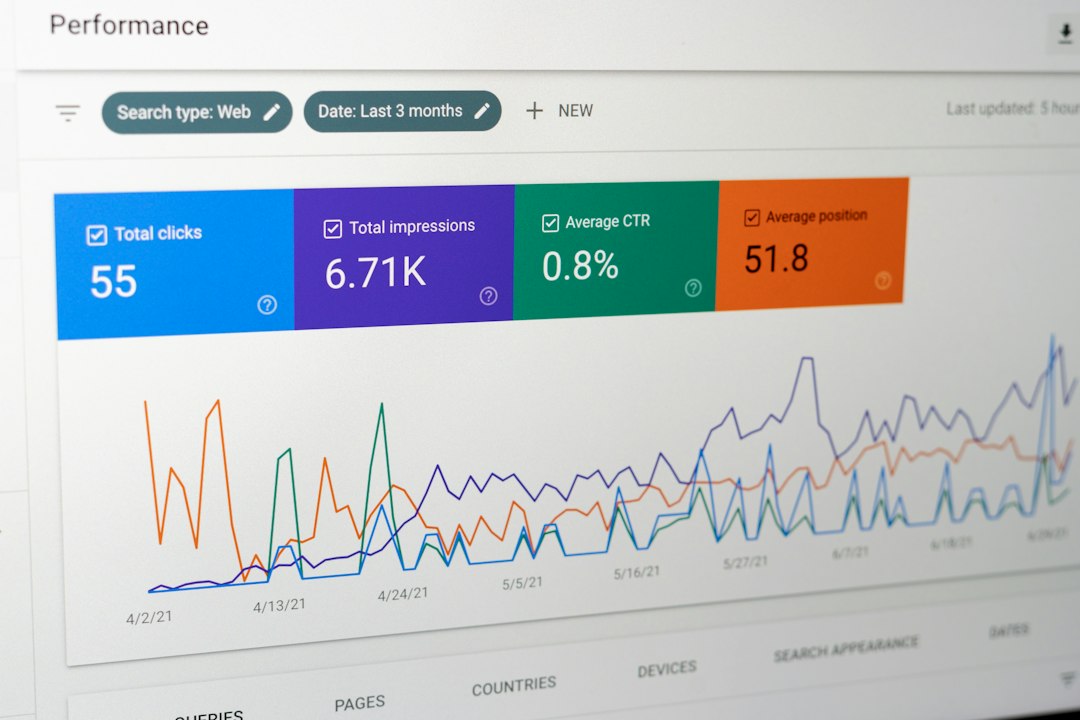
Visibility matters because clients want proof. Automated reporting can show how many prospects were contacted, how many replies were received, how many placements went live, and how those links affected rankings or organic traffic over time.
Core Features to Look For
Not all backlink automation tools are built the same. Some focus mainly on outreach, while others specialize in backlink monitoring, competitor research, or full-scale campaign management. SEO agencies should look for tools that match their workflow and quality standards.
1. Prospecting and Filtering
A strong tool should help identify relevant websites quickly. Useful filters include niche, language, country, estimated traffic, domain strength, outbound link patterns, and content categories. The more precise the filters, the less time your team wastes reviewing unsuitable prospects.
2. Contact Discovery
Finding the right contact person is often tedious. Many tools can locate email addresses, editorial contacts, author profiles, or contact forms. However, agencies should still verify important prospects manually, especially when targeting high-value publications.
3. Outreach Automation
Email sequencing is one of the most popular automation features. Teams can create templates, personalize messages, schedule follow-ups, and track opens or replies. The key is to avoid robotic outreach. A good outreach system should make personalization easier, not eliminate it.
4. Backlink Tracking
Once a link is placed, it must be monitored. Backlink tracking tools can alert agencies if a link is removed, changed to nofollow, redirected, or placed on a different URL. This is especially useful for agencies that guarantee a certain number of live placements per month.
5. Reporting and Client Dashboards
Clear reporting builds trust. Look for tools that provide exportable reports or dashboards showing new backlinks, authority metrics, anchor text, target pages, campaign status, and ranking changes. Client-friendly visuals can make complex SEO work easier to understand.

Popular Types of Backlink Automation Tools
Backlink automation is not a single category. Agencies often combine several types of tools to build a complete system.
- SEO research platforms: These help analyze competitors, discover link gaps, review referring domains, and evaluate website authority.
- Outreach platforms: These manage email campaigns, follow-ups, personalization, inbox routing, and response tracking.
- CRM-style link-building tools: These organize prospects, campaign stages, negotiations, content requirements, and placement status.
- Backlink monitoring tools: These track live links and alert teams when changes occur.
- Reporting tools: These package backlink data into client-ready summaries and performance dashboards.
For many agencies, the best setup is a combination. For example, a team might use one platform for competitor backlink research, another for outreach automation, and a separate reporting dashboard for clients. The ideal stack depends on budget, team size, and campaign complexity.
The Risks of Over-Automating Link Building
Automation can improve efficiency, but it can also create problems if used carelessly. Search engines value natural, editorially earned links from relevant websites. If an agency uses automation to mass-send generic emails or acquire links from low-quality sites, the campaign may harm rather than help.
Common risks include:
- Spammy outreach: Sending hundreds of identical messages can damage brand reputation and reduce response rates.
- Poor link quality: Automated prospect lists may include link farms, irrelevant blogs, or sites with artificial traffic.
- Over-optimized anchor text: Repeating exact-match keywords too often can look unnatural.
- Weak personalization: Editors and website owners ignore emails that feel mass-produced.
- Misleading reports: Focusing only on link quantity can hide quality issues.
Agencies should treat automation as an assistant, not a decision-maker. A human SEO specialist should still review prospects, approve outreach angles, check content quality, and evaluate whether each link makes sense for the client’s business.
A Practical Agency Workflow
A smart backlink automation workflow might look like this:
- Analyze competitors to find domains linking to similar businesses.
- Filter prospects by relevance, authority, traffic, and risk indicators.
- Segment outreach lists by industry, content type, or relationship potential.
- Create personalized templates for guest posts, resource page suggestions, digital PR, or broken link outreach.
- Automate follow-ups while customizing first-touch emails for high-value targets.
- Track negotiations and placements in a campaign dashboard.
- Monitor live backlinks and report results to clients each month.
Consider a small SEO agency with five team members and 15 active clients. Before automation, the team might manually review 1,500 prospects per month and secure 45 links. After implementing automated prospect filtering and follow-up sequences, they may review only 900 better-qualified prospects while securing 60 links. That represents both a 33% increase in placements and a reduction in wasted manual review time.
How to Choose the Right Tool
Before buying a backlink automation platform, agencies should map their current process. Where does the team lose the most time? Is it prospecting, email outreach, contact discovery, link monitoring, or reporting? The answer should guide the purchase.
Important questions to ask include:
- Does the tool integrate with your email provider, CRM, or reporting software?
- Can users filter prospects by relevance and quality metrics?
- Does it support team collaboration and task assignment?
- Are outreach emails easy to personalize at scale?
- Can it monitor backlink status automatically?
- Does the pricing model work for multiple clients?
It is also wise to test tools with a small campaign before rolling them out agency-wide. A platform may look impressive in a demo but feel slow, inaccurate, or overly complicated in daily use. The best tool is not always the one with the most features; it is the one your team will actually use consistently.
Final Thoughts
Backlink automation tools can give SEO agencies a major competitive advantage. They reduce repetitive work, improve campaign organization, and make link-building performance easier to measure. However, they are most effective when paired with strong SEO judgment, relevant content, and genuine relationship-building.
The future of agency link building is not fully automated spam at scale. It is smarter automation with human strategy: using software to handle the repetitive tasks while experts focus on relevance, creativity, and long-term authority. Agencies that strike this balance can build better links, serve more clients, and deliver clearer results without sacrificing quality.