The best Laravel development agency is the one that proves it can ship secure, maintainable software, not just write clean proposals. Laravel is built on PHP, and PHP still powers a large share of server-side websites, so the talent pool is strong but uneven [source: W3Techs]. That makes careful agency selection a real cost saver for custom software projects.
TLDR: A business should choose a Laravel agency by checking its project history, code quality process, communication style, security habits, and post-launch support. For example, a logistics company building a custom booking portal may cut admin work by 30% if the agency maps workflows before writing code. A cheaper team can still become expensive if it misses scope, ignores testing, or takes 48 hours to answer simple questions. The right agency should explain risks early and show how it will protect budget, deadlines, and future growth.
Start with the business problem, not the framework
Laravel is a strong choice for portals, SaaS products, CRMs, booking systems, dashboards, APIs, and internal tools. Still, the agency should not act as if Laravel solves everything by itself. It should first ask about users, data, workflows, permissions, payments, reporting, and admin tasks.
The catch is, many teams rush into features. That creates software that looks fine in demos but becomes painful after launch. A good Laravel agency slows down at the start so the build can move faster later.

Check real Laravel experience
A company should ask for examples of custom Laravel projects, not just screenshots. Case studies should explain the problem, the solution, the tech stack, and the result. A strong agency can discuss queues, caching, database design, API structure, authentication, testing, and deployment without turning the call into buzzword soup.
Useful questions include:
- What Laravel versions has the team used recently?
- How does the agency structure large Laravel applications?
- Does it use automated testing?
- How are third-party integrations handled?
- What happens when project scope changes?
If answers stay vague, that is a warning sign. Custom software needs clear thinking. Guesswork gets expensive.
Review the discovery process
A reliable agency will not quote a complex product after one short call. It should offer discovery, even if the first phase is small. This may include user stories, technical planning, clickable prototypes, database planning, and risk notes.
Honestly, it feels like a bad sign when an agency says “that is easy” before seeing workflows or edge cases. Most systems have messy parts. User roles overlap. Old data needs cleaning. Finance teams need reports. Admins want edits. These details matter.
Look at communication habits
Custom software projects fail when communication gets slow or fuzzy. The agency should provide a clear contact person, regular updates, sprint reviews, and written summaries. Stakeholders should know what was finished, what is blocked, and what comes next.
A business should ask how the team handles feedback. Slow replies create waste. If a product manager needs two extra days to confirm a small layout change, the delay can ripple through the sprint. That is annoying, and it happens more often than agencies like to admit.
Ask about code quality and testing
Laravel projects can grow fast. Without standards, the codebase becomes hard to change. A strong agency uses code reviews, version control, staging environments, automated tests, and clear naming rules.
Testing should not be treated as optional. At minimum, the agency should test core user flows, payments, logins, permissions, and data processing. For business-critical systems, it should also run performance checks and security reviews.

Review security practices
Security matters from the first sprint. The agency should understand role-based access, input validation, password rules, audit logs, data backups, and secure file uploads. If the system handles personal data, payments, healthcare records, or legal records, the security plan should be even stricter.
A company should also ask who owns the code, servers, repositories, and credentials. Ownership must be written into the contract. No business should be trapped because an agency keeps access locked away.
Compare pricing the right way
The lowest bid may not be the best deal. A cheap quote can leave out project management, testing, documentation, deployment, or support. Then the bill grows later.
A fair proposal should break down:
- Discovery and planning
- Design and user experience
- Laravel development
- Testing and fixes
- Deployment
- Maintenance and support
This makes comparison easier. It also shows whether the agency has thought through the whole project.
Do not ignore post-launch support
Launch day is not the finish line. Real users will find bugs, ask for changes, and stress the system in odd ways. The agency should offer maintenance, updates, monitoring, backups, and feature improvements.
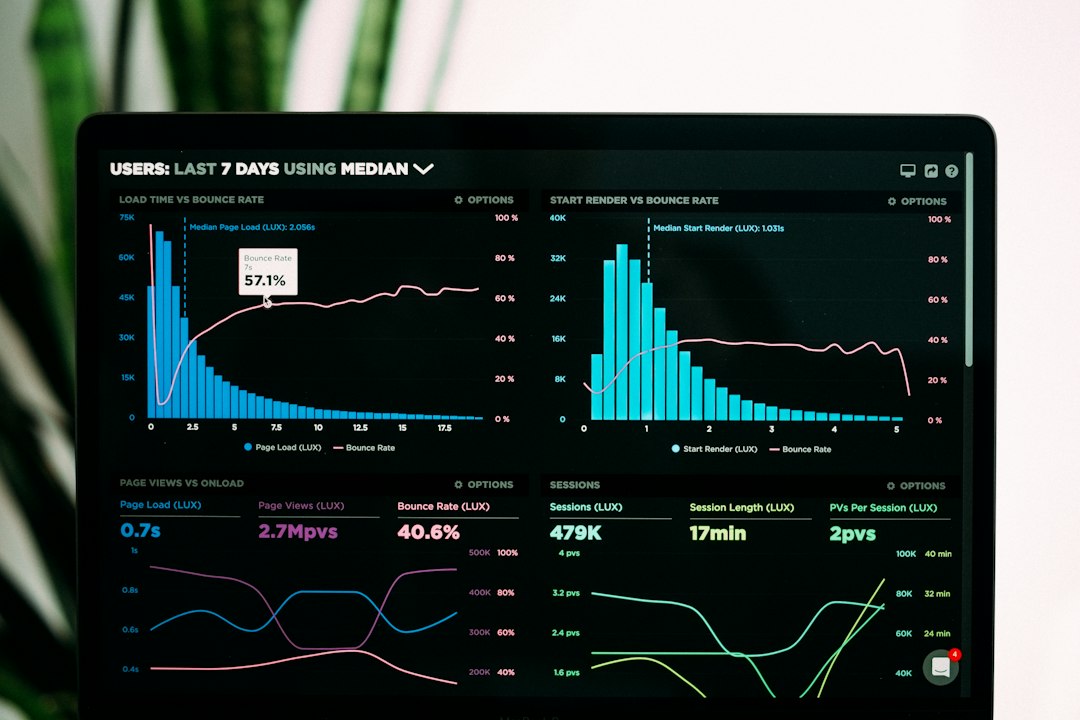
The best partner thinks beyond delivery. It helps the software stay useful after the first version goes live.
FAQ
What should a company ask a Laravel development agency first?
It should ask about similar projects, team structure, discovery process, testing, security, and post-launch support.
How much does a custom Laravel project cost?
Costs vary by scope, integrations, design needs, and data complexity. A small internal tool may cost far less than a full SaaS platform with billing, roles, and reporting.
Is Laravel good for custom software?
Yes. Laravel works well for business portals, SaaS products, APIs, dashboards, booking systems, and admin platforms.
How can a business avoid hiring the wrong agency?
It should review case studies, talk to past clients, check communication habits, confirm code ownership, and start with a clear discovery phase.
Should the agency provide maintenance after launch?
Yes. Ongoing support helps fix bugs, apply updates, improve performance, and add features as the business grows.