Strong Instagram posts work best when each one has a clear job: teach, sell, connect, or invite a response. A brand that mixes these four post types can avoid a feed that feels either too pushy or too random. The strongest structure pairs a sharp hook, a focused message, and one simple action.
TLDR: Educational posts explain one useful idea, promotional posts make one offer clear, community posts spotlight people, and interactive posts ask for a response. For example, a skincare studio might post a carousel called “3 Mistakes That Make Dry Skin Worse”, then follow it with a client story, a product offer, and a poll. In a simple 30-day content test, a small service brand could aim for 40% educational, 25% community, 20% promotional, and 15% interactive posts to balance trust and sales. If saves rise by 18% and comments rise by 12%, the mix is likely doing its job.
Why Instagram Post Structure Matters
Instagram rewards clarity. People scroll quickly, and vague posts lose them in seconds. A post should not make followers guess what is being shown, why it matters, or what to do next.
A useful post structure usually includes:
- A hook: the first line, cover text, or opening frame that earns attention.
- A core message: one idea, not five competing points.
- Proof or context: a stat, example, testimonial, demo, or result.
- A call to action: save, comment, share, click, vote, or send a message.
Honestly, it feels like many brands waste good ideas by stuffing too much into one caption. A post about pricing, benefits, testimonials, and a launch date often turns into a blur. One post should do one job well.
Educational Instagram Post Examples
Educational content builds trust before a sale is requested. It works well for coaches, agencies, clinics, creators, SaaS firms, fitness brands, and product businesses. These posts often earn saves and shares because they solve small, clear problems.
Good educational formats include:
- Carousel guide: “5 Email Subject Lines That Improve Open Rates.”
- Myth vs fact post: “Myth: More hashtags always mean more reach.”
- Mini tutorial Reel: “How to style one blazer three ways.”
- Checklist post: “Before launching a paid ad, check these 7 items.”
A strong educational carousel might follow this structure:
- Slide 1: bold problem or promise.
- Slide 2: why the problem happens.
- Slides 3 to 6: steps, tips, or examples.
- Slide 7: quick recap.
- Final slide: “Save this for later” or “Comment with a question.”
For example, a nutritionist might post “4 Breakfast Swaps That Add 20g of Protein.” Each slide shows one swap, one short reason, and a simple photo. The caption can add context without repeating every slide.
Promotional Instagram Post Examples
Promotional content should sell without sounding desperate. The goal is to make the offer easy to grasp. The catch is that many promotional posts hide the actual offer under fluffy copy. Followers should know the product, benefit, price or value, and next step fast.
Effective promotional post types include:
- Launch announcement: introduces a new product, service, course, or event.
- Limited offer: highlights a discount, bonus, or deadline.
- Product demo: shows the item in use.
- Before and after: shows a visible result.
- Customer review post: pairs a quote with a clear offer.
A clean promotional structure looks like this:
- Hook: state the result or problem.
- Offer: name what is being sold.
- Benefit: explain why it helps.
- Proof: show results, reviews, demos, or numbers.
- Action: tell followers how to buy, book, or sign up.
For instance, a digital template shop might post: “Plan 30 days of content in one afternoon.” The carousel then shows the planner pages, a customer quote, and a final slide with “Available until Friday with 25% off.” That is clear. No guesswork.
Promotional posts should not flood the feed. For many brands, one direct sales post for every three or four value-based posts feels more natural. Sales still need visibility, though. Hiding offers can hurt revenue just as much as overselling.
Community Instagram Post Examples
Community content makes followers feel seen. It shifts attention from the brand to the people around it. This matters because social proof often feels more believable than polished brand claims.
Useful community post ideas include:
- Customer spotlight: feature a buyer, member, student, or client.
- Behind the scenes: show the team, process, workspace, or preparation.
- User generated content: repost customer photos or videos with permission.
- Milestone post: celebrate 1,000 orders, 5 years, or a charity goal.
- Team introduction: share staff roles and small personal details.
A customer spotlight can follow a simple pattern:
- Introduce the person: use a name, role, or short background.
- Show the problem: explain what they needed.
- Share the outcome: include a quote or result.
- Invite others: ask followers to cheer them on or share a similar story.

For example, a gym might feature a member who completed 50 workouts. The post does not need to promise a dramatic body change. A quote like “I finally stopped skipping Mondays” can feel more real and more relatable.
Interactive Instagram Post Examples
Interactive content turns passive viewers into active participants. These posts work well when a brand wants comments, replies, votes, or market feedback. They are also useful when ideas are running dry, because followers often reveal what they want next.
Common interactive formats include:
- This or that: ask followers to choose between two options.
- Poll-style carousel: use slides to compare choices, then ask for a comment.
- Quiz post: test knowledge with a reveal at the end.
- Caption prompt: ask followers to finish a sentence.
- Question post: invite opinions, objections, or requests.
An interactive post should make the response easy. A question that needs a long answer may get ignored. A question that asks for A or B usually performs better.
For example, a coffee brand could post two product photos and ask, “Morning pick: vanilla cold brew or dark roast?” The caption can say, “Comment V or D.” That tiny instruction removes friction.
How to Balance the Four Content Types
A balanced Instagram calendar keeps the feed useful without making it dull. A practical weekly plan might look like this:
- Monday: educational carousel.
- Tuesday: Reel with a quick tutorial.
- Wednesday: community post or customer story.
- Thursday: interactive poll or question.
- Friday: promotional post with a direct offer.
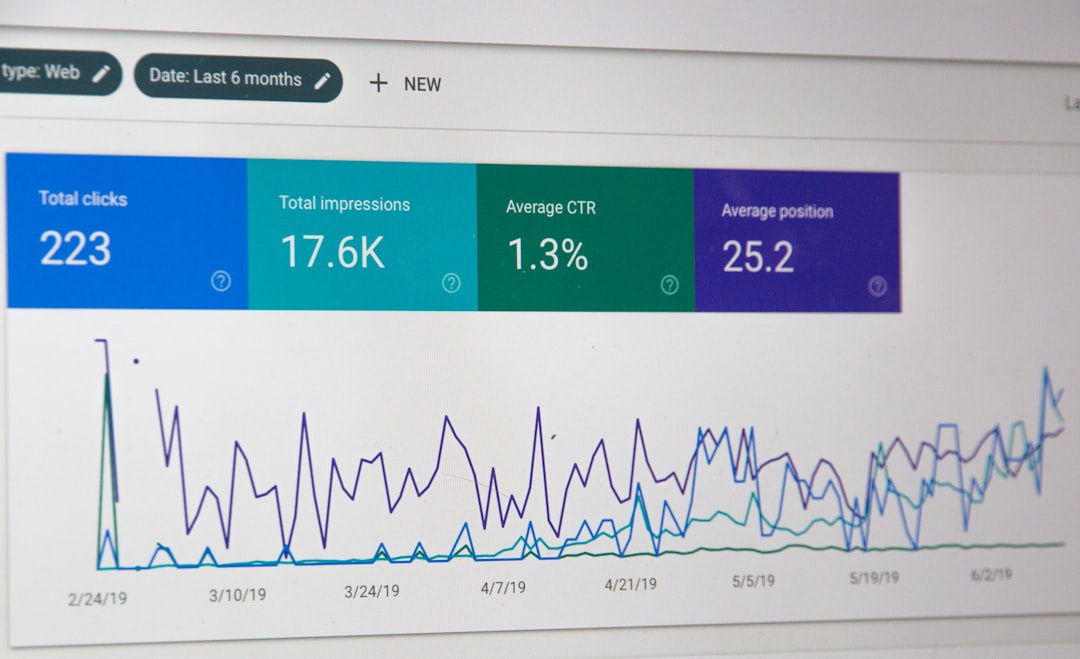
This split gives followers reasons to save, reply, trust, and buy. It also gives the brand cleaner performance data. Saves often point to strong educational value. Comments may show strong community or interactive fit. Clicks and messages reveal whether promotional posts are clear enough.
FAQ
How often should a brand post educational content on Instagram?
Many brands benefit from posting educational content two to three times per week. It depends on the offer, audience, and production capacity. If saves and shares rise, the topic is likely useful.
What makes a promotional Instagram post effective?
An effective promotional post has one offer, one main benefit, proof, and a clear next step. The viewer should understand the value within a few seconds.
Are community posts only for large brands?
No. Small brands can use community posts by featuring customers, team members, local partners, reviews, or behind-the-scenes moments. Real stories often work better than polished campaigns.
What is the easiest interactive post format?
The easiest format is a simple choice post. A brand can ask followers to pick A or B, vote for a favorite, or answer with one word.
Which Instagram post type gets the most engagement?
It varies by account. Educational posts often earn saves. Interactive posts often earn comments. Community posts can build trust, while promotional posts support sales and bookings.