The best backlinking websites are relevant, trusted, visible in search, and clean of obvious spam signals. Before you chase a link, ask one thing: “Would this site still be useful if Google did not exist?” If the answer is no, skip it. A bad backlink can waste budget, weaken trust, and leave you cleaning up a mess later.
TLDR: Evaluate backlinking websites by checking relevance, organic traffic, domain quality, link profile, content standards, and spam risk. For example, a niche blog with 18,000 monthly organic visits and 65% traffic from your target country is usually better than a random high-authority directory with no real readers. In one common audit, removing or disavowing 120 toxic links out of 2,000 total backlinks can improve link quality without chasing more volume. Focus on links that can send real users, not just SEO signals.
Start With Relevance, Not Domain Authority
Relevance should be your first filter. A link from a smaller industry website often beats a link from a huge but unrelated site. If you sell accounting software, a backlink from a tax planning blog makes sense. A link from a pet grooming directory does not.
Search engines use backlinks as trust signals, but context matters. The page linking to you should fit your topic. The surrounding text should also feel natural. If your link appears in a paragraph about coupon codes, casino apps, and office furniture, that is not a good sign.
- Check the website topic: Does it match your niche or audience?
- Check the linking page: Is the page relevant to your product, service, or content?
- Check nearby links: Are they useful, or do they look random?
- Check the audience: Would readers of that site care about your page?
Review Organic Traffic Before You Trust the Site
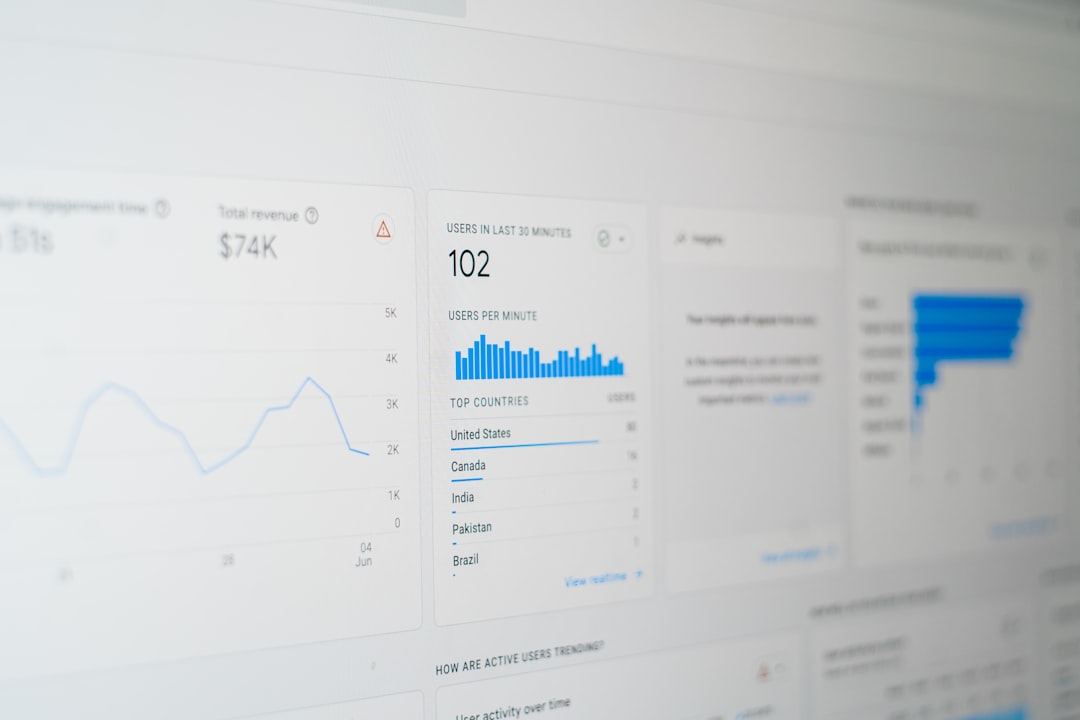
A website can have impressive authority scores and still get almost no search traffic. That is a red flag. If Google does not send visitors to the site, you should question how much SEO value its link can pass.
Use SEO tools to estimate monthly organic traffic. Look for stable or growing search visibility. A site with 5,000 steady monthly visits in your niche may be more valuable than a site showing 90,000 visits from irrelevant keywords.
The catch is that traffic estimates are never perfect. Some tools undercount small sites. Others inflate numbers by counting weak keywords. Compare two or three tools if the link matters. It is annoying, but spending five extra minutes here can save you from buying links on a dead site.
Check Domain Authority, But Do Not Worship It
Metrics like Domain Rating, Domain Authority, Authority Score, and Trust Flow can help you sort prospects. They are useful shortcuts. They are not facts from Google.
A strong backlinking website often has a healthy authority score, but that score must match other signals. If a domain has a high authority score but weak content, low traffic, and strange outbound links, do not be impressed. Scores can be manipulated with private networks, expired domains, and spammy link blasts.
Use authority metrics as one input, not the final decision. A balanced review beats blind trust in a single number.
Inspect the Site’s Own Backlink Profile
A site that links to you should have a clean backlink profile of its own. If most of its backlinks come from hacked pages, adult sites, unrelated foreign domains, or auto-generated blogs, be careful.
Look at the top referring domains. Are they known publications, niche websites, schools, associations, or real companies? Good. Are they mostly thin blog networks with nearly identical layouts? Bad.
- Healthy sign: Links from real websites with real content.
- Risky sign: Sudden spikes in referring domains for no clear reason.
- Risky sign: Hundreds of links from sites using the same anchor text.
- Bad sign: Most linking domains look abandoned or auto-generated.
Study Outbound Links Like a Detective
Outbound links reveal a lot. A quality website links to useful sources, brands, research, and related resources. A low-quality site links to anyone willing to pay.
Open several recent articles. Count the external links. If every post has five commercial links to unrelated businesses, that site is probably selling links at scale. If many links use exact-match anchor text like best cheap loans online or buy crypto wallet app, be suspicious.
One bad outbound link is not a crisis. A pattern is the problem. If the site looks like a link marketplace, avoid it.
Evaluate Content Quality and Editorial Standards
Good backlinks usually come from good pages. Read the content before accepting or buying a placement. Does it answer a real question? Is it updated? Does it have an author? Are sources cited?
Thin content is a warning sign. So are spun paragraphs, awkward phrasing, fake author bios, and stock images on every page. If the site publishes 30 unrelated guest posts per day, that is not normal editorial work. That is a content farm.
It drives me crazy when outreach tools show a “high-quality prospect” that takes 12 seconds to load and has three popups before the first paragraph. User experience matters. If real people would bounce, search engines may already distrust the site.
Look at Indexing and Search Presence
A website should be indexed in Google. If its pages are not indexed, your backlink may bring little or no SEO value.
Run a quick search using site:example.com. Check whether important pages appear. Then search for the brand name. A real site should rank for its own name unless it is brand new.
Watch for a sharp indexing drop. If a site once had thousands of indexed pages and now has only a few, it may have been hit by quality filters or manual actions. That does not always mean danger, but it deserves a closer look.
Assess Anchor Text Risk
Anchor text is the clickable text in a link. It helps search engines understand the linked page, but over-optimized anchor text can look manipulative.
A natural backlink profile uses mixed anchors:
- Brand names
- Website URLs
- Generic text such as read more or this guide
- Partial-match phrases
- A small number of exact-match keywords
If a backlinking website insists on exact-match anchors every time, slow down. A link to your payroll software page with the anchor best payroll software for small business may be fine once. Repeating that pattern across dozens of sites can look forced.
Check Geography and Audience Fit
Traffic location matters. If your company serves customers in Canada, a backlink from a site with 80% traffic from Canada or the United States is likely more useful than one with traffic from countries you do not serve.
This is not about rejecting international sites. It is about fit. A global publication in your niche can be excellent. A generic blog with traffic from random regions and no clear audience is less convincing.
Also check language. A link from a Spanish-language marketing site to your English SaaS guide can work if the readers are relevant. If there is no audience overlap, the link may add noise.
Review Placement on the Page
Where the link appears matters. A link inside the main body of a relevant article is usually stronger than a footer link, sidebar link, author bio link, or buried resource page link.
Look for placements that feel editorial. The link should support the content. It should not look jammed into a sentence after publication.
- Best: Contextual link inside a useful article.
- Good: Resource page link on a relevant industry page.
- Weak: Sidebar or footer link across many pages.
- Risky: Hidden links, tiny text, or unrelated sponsored blocks.

Watch for Paid Link Footprints
Paid links are common, but search engines do not want paid links passing ranking signals. If a site sells links openly, posts generic guest content, and never marks sponsored content, that creates risk.
Look for labels such as sponsored, partner post, or advertorial. A properly tagged paid placement may still send referral traffic and brand exposure, but it may not pass SEO value in the same way. That is fine if you know what you are buying.
Problems start when a site hides paid placements while publishing hundreds of them. That footprint can put every advertiser in a bad neighborhood.
Build a Simple Scoring System
You do not need a complicated model. A simple 100-point checklist can keep decisions consistent.
- Relevance: 25 points
- Organic traffic: 20 points
- Content quality: 15 points
- Backlink profile: 15 points
- Outbound link quality: 10 points
- Indexing and search presence: 10 points
- User experience: 5 points
Set rules. For example, approve sites scoring 75 or higher. Review anything between 60 and 74. Reject anything below 60 unless there is a strong brand reason.
Final Practical Rule
A good backlinking website should pass the human test first. Would you be proud to show the link to a customer, investor, or editor? Would the page make sense without SEO goals? Could it send qualified visitors?
If yes, it may be worth pursuing. If not, walk away. SEO rewards trust over time, and low-quality links have a way of becoming expensive later.