In a world where video dominates social media feeds, marketing campaigns, online learning, and even internal business communication, the ability to create high-quality videos quickly has become a serious competitive advantage. But traditional video production can be time-consuming, expensive, and technically demanding. That’s where AI video generation software comes in—transforming how individuals and organizations create dynamic, engaging video content with minimal effort.
TLDR: AI video generation software allows you to create professional-quality videos with minimal technical skills by automating scripting, visuals, voiceovers, and editing. These tools save time and money while offering customization, scalability, and creative flexibility. From marketers and educators to startups and enterprises, AI-powered platforms are reshaping how videos are produced and distributed. If speed, efficiency, and innovation matter to your content strategy, AI video tools are worth exploring.
AI-driven video tools use machine learning, natural language processing, and computer vision to turn text prompts, scripts, or raw ideas into fully produced videos. What once required a production crew and hours of editing can now be accomplished in minutes. Let’s explore how these tools work, their benefits, and why they’re quickly becoming essential in modern content creation.
What Is AI Video Generation Software?
AI video generation software refers to platforms that use artificial intelligence to automatically create videos from text, images, voice input, or templates. Instead of manually stitching together footage, transitions, audio, and graphics, users input instructions or prewritten scripts, and the software handles the heavy lifting.
These tools often include features such as:
- Text-to-video conversion
- AI-generated voiceovers
- Automated scene selection
- Smart transitions and animations
- Avatar-based presenters
- Subtitle and caption generation
Some platforms even allow users to create realistic digital presenters that speak in multiple languages—ideal for global communication.
How AI Video Tools Work
Under the hood, AI video generation software relies on several advanced technologies working together:
- Natural Language Processing (NLP): Interprets your script or text input and determines key themes and structure.
- Computer Vision: Selects or generates relevant visuals to match the script.
- Text-to-Speech Engines: Produces human-like voiceovers in various tones and languages.
- Generative AI Models: Creates visual elements, animations, and sometimes even synthetic actors.
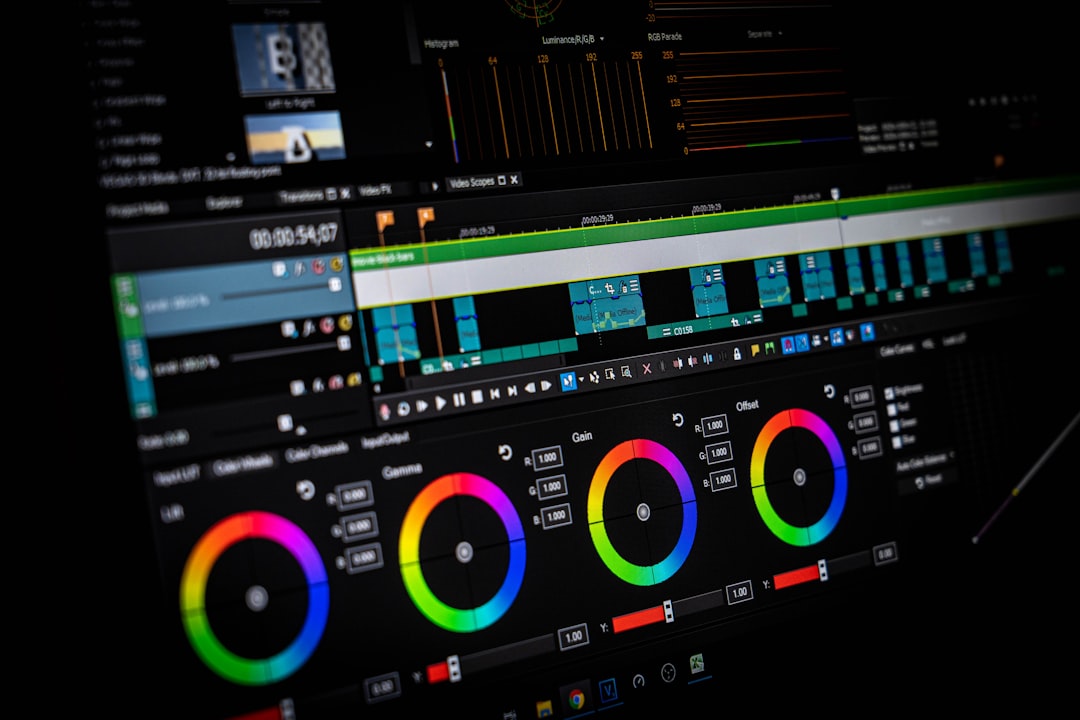
For example, if you input a blog post into a text-to-video generator, the AI can summarize key sections, choose matching visuals, add background music, and generate captions automatically. In just a few clicks, you have a polished video ready for distribution.
Why AI Video Generation Is Gaining Popularity
The rapid adoption of AI video tools isn’t just a trend—it’s a response to real challenges in content production. Here’s why so many professionals are making the switch:
1. Speed and Efficiency
Traditional video production may take days or weeks. AI video tools can deliver results in minutes. This is especially useful for social media campaigns, product updates, or time-sensitive announcements.
2. Cost Reduction
No need to hire a full production team, rent studio space, or purchase expensive equipment. AI eliminates many production costs, making high-quality video accessible even to small startups.
3. Accessibility for Non-Experts
You don’t need advanced editing skills. User-friendly interfaces allow beginners to create professional-looking videos without mastering complex software.
4. Scalability
Need 50 variations of the same ad for different audiences? AI can replicate and customize videos at scale with minimal additional effort.
Common Use Cases for AI-Driven Videos
AI video generation software serves a wide range of industries and applications:
- Marketing and Advertising: Create social media ads, product demos, and promotional campaigns.
- E-Learning: Convert lesson plans into engaging video modules with voice narration.
- Corporate Training: Develop onboarding materials and internal communication videos.
- Real Estate: Generate virtual property tours and presentation videos.
- E-Commerce: Produce product showcase videos for online stores.
- Content Repurposing: Turn blog posts, podcasts, or articles into video content.

Because video consistently outperforms static content in engagement, AI-powered tools help businesses remain competitive across platforms like YouTube, LinkedIn, Instagram, and TikTok.
Key Features to Look For
If you’re considering AI video generation software, not all tools are created equal. Look for these essential features:
Customization Options
You should be able to adjust branding elements such as logos, colors, fonts, and tone of voice.
High-Quality Voiceovers
Natural-sounding speech with multiple language and accent options can significantly enhance professionalism.
Template Library
A diverse collection of templates makes it easier to create videos for different industries and formats.
Export Flexibility
Check for various resolution options and compatibility with multiple social platforms.
Collaboration Tools
Teams benefit from cloud-based sharing, commenting, and version control capabilities.
The Role of AI Avatars and Synthetic Presenters
One of the most fascinating developments in AI video software is the rise of digital avatars. These lifelike presenters can deliver scripts naturally, mimicking human facial expressions and gestures.
This feature is particularly valuable for:
- Training modules that require a consistent presenter
- Multilingual communication across global teams
- Businesses that prefer not to appear on camera
- Brands seeking a consistent “face” for their content

Instead of hiring actors or recording multiple takes, you can edit the script, regenerate the video, and instantly update your content.
Benefits for Small Businesses and Entrepreneurs
For small businesses, AI video generation can be transformative. With limited budgets and resources, producing consistent video content can be overwhelming. AI reduces the barrier to entry.
Entrepreneurs can:
- Create explainer videos without videography skills
- Launch advertising campaigns quickly
- Maintain consistent posting schedules on social media
- Test multiple messaging variations effortlessly
This democratization of video production levels the playing field, allowing smaller brands to compete with larger enterprises.
Challenges and Considerations
Despite its advantages, AI video generation isn’t perfect. Understanding its limitations helps set realistic expectations.
Authenticity Concerns
Some audiences prefer real human presence over synthetic avatars. Overuse of AI can sometimes feel impersonal.
Creative Nuance
While AI excels at automation, it may lack the subtle creative storytelling that experienced filmmakers bring to a project.
Ethical Implications
The rise of realistic synthetic media raises questions about misinformation and deepfakes. Responsible use is essential.
Still, when used ethically and strategically, AI video generation enhances—not replaces—human creativity.
The Future of AI Video Creation
The technology behind AI-driven video is evolving rapidly. In the near future, we can expect:
- Real-time video generation from live prompts
- Improved emotional expression in AI avatars
- Greater integration with social media platforms
- Enhanced personalization tailored to individual viewers
Imagine sending a marketing video that automatically adapts to each viewer’s preferences, language, and previous interactions. Personalization at that scale is becoming increasingly realistic thanks to AI.
How to Get Started
Beginning with AI video generation is relatively simple:
- Define your goal—marketing, training, education, etc.
- Prepare a script or content outline.
- Select a template or style that matches your brand.
- Customize visuals, voiceovers, and branding.
- Export and distribute across your preferred platforms.
Many platforms offer trial versions, allowing you to experiment before committing financially.
Conclusion
AI video generation software is more than just a productivity tool—it represents a fundamental shift in how visual content is created. By automating complex production processes, these platforms empower individuals and businesses to produce engaging, professional-quality videos without technical barriers. From AI avatars and automated editing to scalable marketing campaigns, the possibilities are expanding rapidly.
As demand for video content continues to grow, those who embrace AI-driven tools will find themselves better equipped to keep pace. Whether you’re a marketer seeking faster campaign production, an educator aiming to enhance learning materials, or an entrepreneur building your brand, AI video generation offers a powerful, efficient path forward.
The future of video is not just digital—it’s intelligent.