Managing marketing across email, social media, paid ads, SMS, content platforms, and CRM systems can feel like conducting an orchestra without a score. Each channel has its own metrics, timing, and audience behavior. Without the right automation tools, multi-channel campaign management quickly becomes overwhelming, inefficient, and inconsistent. Fortunately, modern marketing automation platforms are designed to streamline processes, unify customer data, and create seamless experiences across touchpoints.
TLDR: Multi-channel marketing automation tools help businesses manage campaigns across email, social media, ads, and CRMs from one centralized platform. The right tool can save time, improve targeting, increase personalization, and deliver better ROI. This article explores six powerful automation tools—HubSpot, Marketo, ActiveCampaign, Mailchimp, Salesforce Marketing Cloud, and Klaviyo—and includes a comparison chart to help you choose. Each platform offers unique strengths depending on your business size, complexity, and goals.
Below are six powerful marketing automation tools that help businesses coordinate multi-channel campaigns efficiently and effectively.
1. HubSpot Marketing Hub
Best for: All-in-one inbound marketing and growing businesses
HubSpot Marketing Hub is widely recognized for combining automation, CRM capabilities, content tools, and analytics under one roof. It allows businesses to automate email sequences, social media posts, ad campaigns, SMS messaging (through integrations), and lead nurturing workflows from a centralized dashboard.

Key Features:
- Visual workflow automation builder
- Built-in CRM integration
- Social media scheduling and monitoring
- Ad retargeting management
- Advanced segmentation and personalization
- Detailed attribution reporting
HubSpot excels at aligning marketing and sales teams. Its automation engine allows you to trigger campaigns based on user behavior—like visiting a pricing page or downloading a whitepaper. The system ensures that messaging stays consistent across email, ads, and retargeting campaigns.
Why it stands out: Its ease of use combined with powerful automation makes it suitable for both beginners and advanced marketers.
2. Marketo Engage (Adobe Marketo)
Best for: Enterprise-level automation and complex customer journeys
Marketo Engage is a robust solution designed for large organizations managing intricate multi-channel campaigns. It enables personalized engagement across email, mobile, web, digital advertising, and even offline channels.
Key Features:
- Advanced lead scoring and nurturing
- AI-powered personalization
- Account-based marketing (ABM)
- Cross-channel campaign orchestration
- Deep analytics and revenue attribution
Marketo’s strength lies in handling sophisticated workflows with multiple conditions and decision branches. Enterprises often use it to coordinate global campaigns while maintaining localized messaging.
Why it stands out: If your organization requires enterprise-grade capabilities and heavy customization, Marketo is one of the most powerful platforms available.
3. ActiveCampaign
Best for: Small to mid-sized businesses focused on CRM and automation
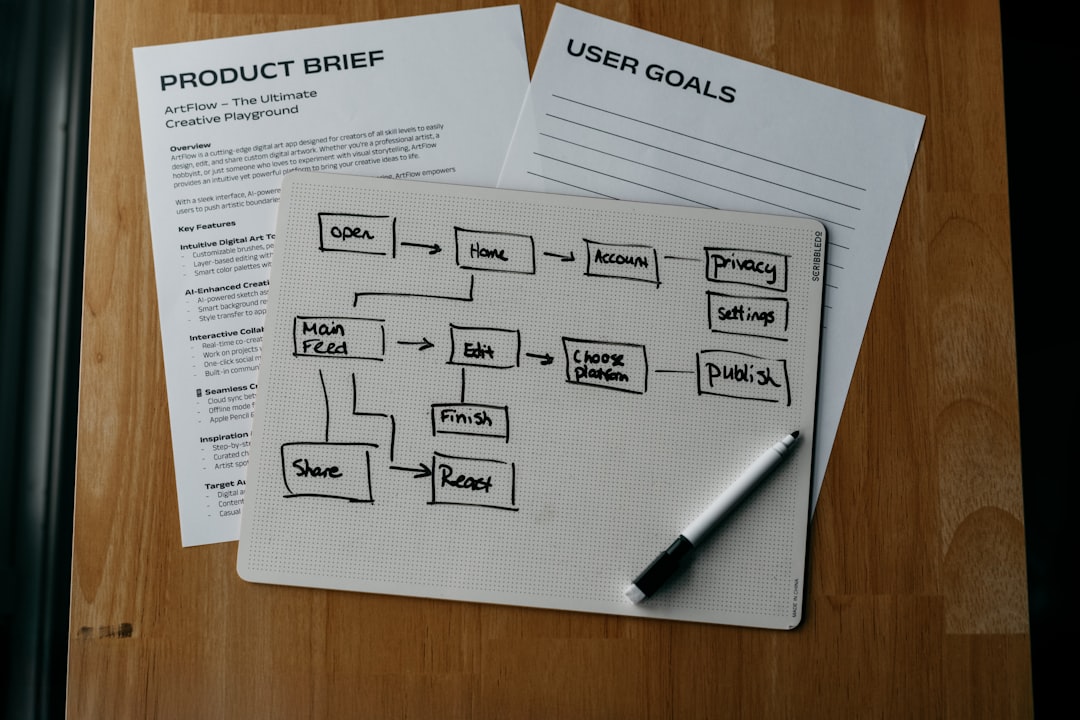
ActiveCampaign combines email marketing, CRM, automation, and machine learning to create intelligent customer journeys. It allows businesses to automate emails, SMS, lead scoring, and sales follow-ups from one platform.
Key Features:
- Visual automation workflows
- Email and SMS campaign management
- Predictive sending and content recommendations
- Sales automation and pipeline tracking
- Behavior-based triggers
What makes ActiveCampaign appealing is its flexible automation builder that doesn’t require technical expertise. You can create branches based on customer behavior—such as clicking a link or abandoning a cart—without needing a developer.
Why it stands out: It provides advanced automation functionality at a relatively accessible price point.
4. Mailchimp
Best for: Beginners and small businesses getting started with automation
Mailchimp has evolved far beyond email marketing. Today, it supports social media ads, landing pages, postcards, and customer journey automation.
Key Features:
- User-friendly campaign builder
- Email automation sequences
- Social media ad integrations
- Basic CRM capabilities
- Pre-built automation templates
Its simplicity is its biggest advantage. Small businesses can launch automated campaigns across email and social channels quickly without needing technical training. While it lacks the deep customization of enterprise platforms, it performs exceptionally well for startups and small ecommerce shops.
Why it stands out: Ideal for marketers who want quick setup and straightforward automation.
5. Salesforce Marketing Cloud
Best for: Large enterprises requiring deep CRM integration
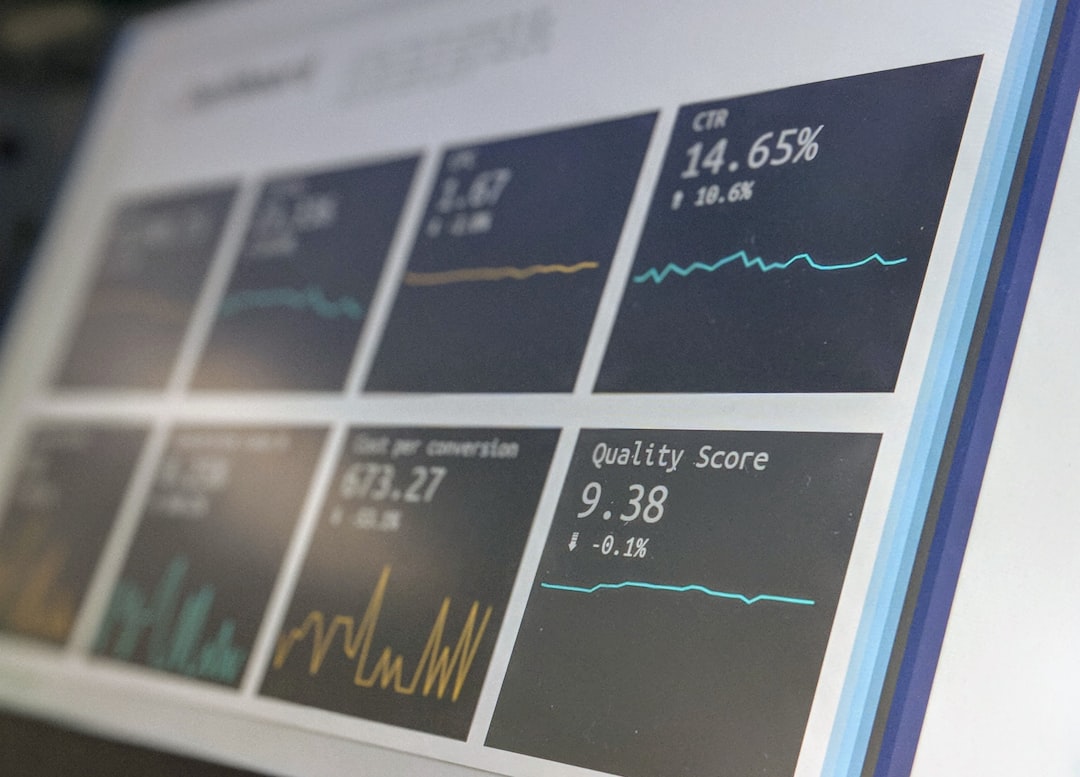
Salesforce Marketing Cloud enables real-time, data-driven customer engagement across email, mobile, social media, web, and paid advertising channels.
Key Features:
- Journey Builder for cross-channel orchestration
- AI-powered insights with Einstein Analytics
- Social listening and publishing
- Mobile messaging and push notifications
- Data-driven audience segmentation
The platform integrates tightly with Salesforce CRM, providing a unified view of each customer’s journey. This makes it especially powerful for organizations that already use Salesforce for sales and service operations.
Why it stands out: Exceptional scalability and integration for data-heavy enterprises.
6. Klaviyo
Best for: Ecommerce-focused automation
Klaviyo is built specifically for ecommerce brands. It excels at integrating with platforms like Shopify and WooCommerce to create highly personalized automated campaigns.
Key Features:
- Advanced customer segmentation
- Automated email and SMS flows
- Dynamic product recommendations
- Revenue-based reporting
- Predictive analytics
Klaviyo shines when it comes to data-driven personalization. It pulls real-time ecommerce data—such as purchase history and browsing behavior—to create hyper-targeted campaigns.
Why it stands out: Perfect for ecommerce brands focused on increasing lifetime customer value.
Comparison Chart: Multi-Channel Marketing Automation Tools
| Tool | Best For | Automation Complexity | CRM Integration | Pricing Level |
|---|---|---|---|---|
| HubSpot | Growing businesses | High | Built-in | Mid to High |
| Marketo | Enterprises | Very High | External integration | High |
| ActiveCampaign | SMBs | High | Built-in | Mid |
| Mailchimp | Beginners | Moderate | Basic | Low to Mid |
| Salesforce Marketing Cloud | Large enterprises | Very High | Deep Salesforce integration | High |
| Klaviyo | Ecommerce brands | High | Ecommerce focused | Mid |
How to Choose the Right Tool
When selecting a multi-channel marketing automation platform, consider the following:
- Business Size: Large enterprises may need Salesforce or Marketo, while small businesses may benefit from Mailchimp or ActiveCampaign.
- Budget: Enterprise tools come with premium pricing.
- CRM Needs: If sales integration is critical, prioritize platforms with strong CRM functionality.
- Automation Complexity: Consider whether you need simple sequences or advanced branching logic.
- Industry Focus: Ecommerce businesses should strongly consider Klaviyo.
Ultimately, the right tool is one that aligns with your marketing goals, operational complexity, and growth plans.
The Future of Multi-Channel Marketing Automation
The next generation of marketing automation is increasingly powered by artificial intelligence and predictive analytics. Tools are becoming more proactive—suggesting optimal times to send campaigns, identifying high-value leads, and recommending next-best actions automatically.
As customer expectations continue to rise, successful brands will be those that deliver consistent, personalized experiences across every channel. Automation tools are no longer optional—they are foundational to scalable marketing success.
By leveraging the right automation platform, marketers can spend less time juggling tools and more time focusing on strategy, creativity, and growth. Multi-channel campaign management doesn’t have to be chaotic. With the right technology in place, it becomes a powerful engine for predictable and measurable results.