In today’s competitive digital landscape, businesses can no longer afford to run advertising campaigns based on guesswork. Precision, optimization, and real-time insights are what separate profitable campaigns from budget-draining experiments. AdTrax has emerged as a robust solution for marketers seeking measurable improvements in return on investment. With the right tracking tools in place, businesses are consistently reporting up to a 30% increase in ad ROI, driven by data-backed decisions and streamlined performance management.
TLDR: AdTrax offers four powerful tracking tools that significantly improve advertising ROI: Conversion Intelligence, Multi-Touch Attribution, Real-Time Performance Dashboard, and AI Predictive Optimization. Together, these tools eliminate wasted ad spend, clarify customer journeys, and optimize campaigns in real time. Businesses leveraging these features often see up to a 30% boost in returns by focusing budgets on what truly works.
Below is a detailed exploration of four AdTrax tracking tools that are transforming advertising performance across industries.
1. Conversion Intelligence Tracker
The foundation of any successful campaign lies in accurate conversion tracking. AdTrax’s Conversion Intelligence Tracker goes beyond basic pixel tracking by capturing granular user actions across multiple platforms and devices.
Unlike traditional tracking tools that only monitor final purchases, this system tracks:
- Micro-conversions such as email signups and content downloads
- Add-to-cart events
- Scroll depth and engagement time
- Repeat visits and user behavior patterns
This deep behavioral data allows marketers to identify which ads are driving meaningful engagement—not just clicks. By reallocating budget to high-intent users and pausing underperforming creatives, businesses often experience a measurable lift in conversion rates.
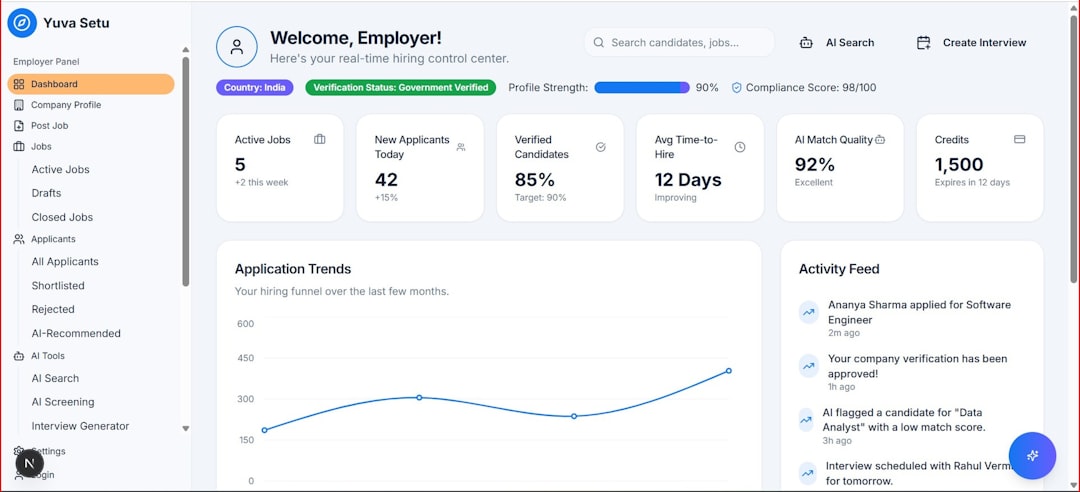
Why it improves ROI: By identifying where prospects drop off in the funnel, businesses can optimize landing pages and ad messaging. Instead of increasing ad spend, marketers refine the customer journey—leading to stronger conversion efficiency and lower acquisition costs.
2. Multi-Touch Attribution Engine
One of the most common challenges in advertising is understanding which channel truly drives conversions. Many platforms rely on outdated last-click attribution, giving full credit to the final interaction before purchase. This creates a distorted view of performance.
AdTrax’s Multi-Touch Attribution Engine distributes credit across every touchpoint in the customer journey.
Key capabilities include:
- Cross-channel tracking (social media, search, email, display)
- Device-level journey reconstruction
- Customizable attribution models
- Weighted contribution scoring
This level of transparency empowers marketers to see the full impact of awareness campaigns and remarketing sequences. For example, a brand may discover that its social ads initiate most customer journeys, while search ads close sales. Budget allocation then becomes more strategic and balanced.

Why it improves ROI: When credit is assigned accurately, marketing teams stop underfunding high-performing top-of-funnel campaigns. This balance prevents premature scaling of weak channels and ensures sustainable growth.
3. Real-Time Performance Dashboard
The ability to respond quickly to performance fluctuations is critical. AdTrax’s Real-Time Performance Dashboard provides live campaign metrics with dynamic visual reporting.
Instead of waiting days for reports, marketers gain instant visibility into:
- Cost per acquisition (CPA)
- Click-through rates (CTR)
- Return on ad spend (ROAS)
- Audience engagement metrics
This tool also includes customizable alert systems. If a campaign dips below ROI thresholds, the system sends automated notifications. Teams can react immediately rather than losing thousands in ineffective spend.
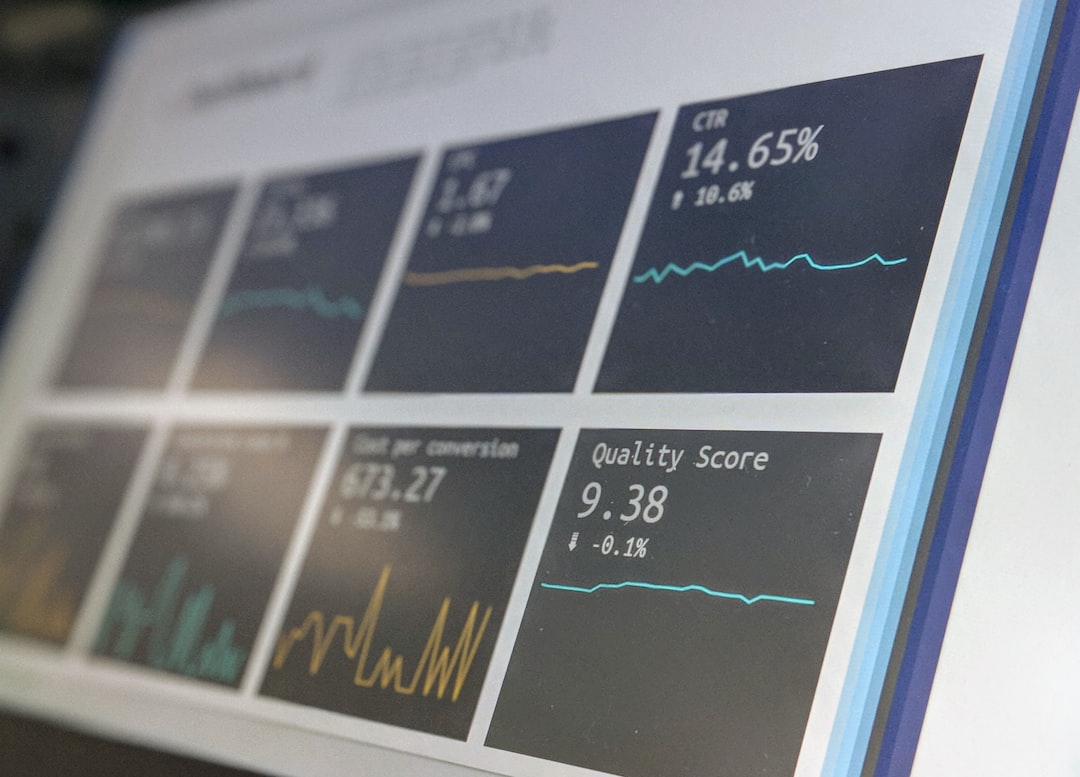
Why it improves ROI: Real-time insights eliminate delayed reaction costs. Campaign inefficiencies are corrected mid-flight, ensuring that wasted budget is minimized.
4. AI Predictive Optimization Tool
Perhaps the most advanced feature in AdTrax’s ecosystem is its AI Predictive Optimization Tool. Powered by machine learning algorithms, this tool analyzes historical data to forecast future performance trends.
It evaluates:
- Seasonal buying behavior
- Audience responsiveness trends
- Creative fatigue patterns
- Bid strategy effectiveness
Based on these insights, the system recommends—or automatically implements—budget adjustments and audience refinements. Instead of reacting to past data, businesses proactively optimize campaigns before performance declines occur.
Why it improves ROI: Predictive modeling reduces risk. Campaign budgets are directed toward audiences most likely to convert, increasing profitability without increasing spend.
Comparison Chart: AdTrax Tracking Tools
| Tool | Primary Function | Key Benefit | Impact on ROI |
|---|---|---|---|
| Conversion Intelligence Tracker | Tracks detailed user actions | Improves funnel conversion rates | Reduces cost per acquisition |
| Multi-Touch Attribution Engine | Distributes credit across touchpoints | Clarifies true channel value | Optimizes budget allocation |
| Real-Time Performance Dashboard | Provides live campaign data | Enables quick adjustments | Minimizes wasted ad spend |
| AI Predictive Optimization | Forecasts future trends | Proactively enhances campaigns | Boosts long-term profitability |
How These Tools Work Together
While each tool offers independent value, their combined impact is where the real ROI lift occurs. Conversion data feeds the attribution engine. Attribution insights inform real-time monitoring. Historical performance fuels predictive AI modeling.
This interconnected ecosystem creates a closed-loop optimization strategy, where data continuously improves future outcomes.
Businesses report the following measurable improvements when using all four tools together:
- Up to 30% increase in ROAS
- 15–25% reduction in CPA
- Faster campaign scaling cycles
- Improved audience targeting accuracy
The true advantage lies not in automation alone, but in informed automation. AdTrax replaces assumption-based advertising with performance-driven strategy.
Best Practices for Maximizing Results
To unlock the full potential of AdTrax tracking tools, marketing teams should follow several best practices:
- Define Clear KPIs – Align tracking settings with business goals.
- Integrate All Channels – Ensure full visibility across platforms.
- Review Attribution Models Quarterly – Customer journeys evolve.
- Test Creatives Continuously – Minimizes audience fatigue.
- Use Predictive Suggestions Proactively – Don’t wait for decline signals.
Organizations that treat tracking as an active management process—not just a reporting tool—consistently outperform competitors stuck in reactive campaign cycles.
Conclusion
Advertising success in the digital era demands more than compelling creatives and generous budgets. It requires visibility, precision, and agility. AdTrax’s four tracking tools—Conversion Intelligence Tracker, Multi-Touch Attribution Engine, Real-Time Performance Dashboard, and AI Predictive Optimization—equip businesses with the data infrastructure needed to maximize efficiency.
By eliminating blind spots, distributing credit accurately, acting in real time, and forecasting future outcomes, AdTrax empowers marketers to make smarter decisions. The result is not just improved campaign performance but sustainable, scalable growth—often reflected in a 30% boost in ad ROI.
Frequently Asked Questions (FAQ)
1. How quickly can businesses see ROI improvements using AdTrax tools?
Most businesses begin noticing measurable improvements within 30 to 60 days, depending on campaign size and data volume.
2. Do these tools work across multiple ad platforms?
Yes. AdTrax integrates with major advertising platforms including social media, search engines, display networks, and email marketing tools.
3. Is technical expertise required to use AdTrax tracking tools?
While basic marketing knowledge is helpful, the platform provides intuitive dashboards and automated recommendations designed for ease of use.
4. Can small businesses benefit from these tools?
Absolutely. Small and mid-sized businesses often benefit the most because optimizing limited budgets has an immediate financial impact.
5. What makes AI Predictive Optimization different from standard automation?
Standard automation reacts to past performance. AI Predictive Optimization uses historical and behavioral data to forecast future results and adjust campaigns proactively.
6. Is multi-touch attribution necessary for all businesses?
For companies using multiple marketing channels, multi-touch attribution is essential for accurately measuring and scaling effective campaigns.