Waterfox is a web browser built for people who care about speed, control, and privacy. It looks familiar. It feels like Firefox. But it has its own personality. In 2026, Waterfox is stronger than ever. It stands as one of the top choices for users who want less tracking and more freedom online.
TLDR: Waterfox is a privacy-focused browser based on Firefox. It removes tracking features and gives users more control over updates, extensions, and data. In 2026, it supports modern web standards while keeping a lightweight and independent feel. Privacy users love it because it respects their choices and does not treat them like a product.
Let’s break it down in a simple way.
What Is Waterfox?
Waterfox is an open-source web browser. It started as a faster, more flexible version of Firefox. Over time, it evolved into something more independent. Today, it has its own development path while still using core Firefox technology.
It is designed for users who want:
- More privacy
- More customization
- Less data collection
- Support for classic extensions
Waterfox removes many of the features that send data back to big companies. It focuses on transparency. You can see what it does. You can control how it behaves.
How Waterfox Works
On the surface, Waterfox works like any other browser.
You:
- Type a web address
- Click links
- Stream videos
- Install extensions
But under the hood, it works a little differently.
1. Based on Firefox Engine
Waterfox uses Mozilla’s Gecko engine. This is the same engine that powers Firefox. It means websites load correctly. Modern apps work fine. Streaming services run smoothly.
So you get familiar performance. But with fewer compromises.
2. No Forced Telemetry
Many browsers collect telemetry data. This includes usage patterns and system information.
Waterfox removes or disables that by default.
This means:
- No automatic usage tracking
- No background data reporting
- No hidden analytics running silently
You stay in control.
3. Enhanced Tracking Protection
Waterfox blocks many trackers automatically.
It protects you from:
- Cross-site tracking cookies
- Fingerprinting scripts
- Crypto mining scripts
- Malicious popups
It does this without breaking most websites. That balance is important.
4. Classic Extension Support
In 2026, Waterfox still supports certain legacy add-ons. Other browsers dropped this years ago.
This is huge for power users. It means:
- Deep interface customization
- Advanced productivity tools
- Old-school scripts still work
It feels flexible. Not locked down.
What Makes Waterfox Different in 2026?
The browser market has changed a lot.
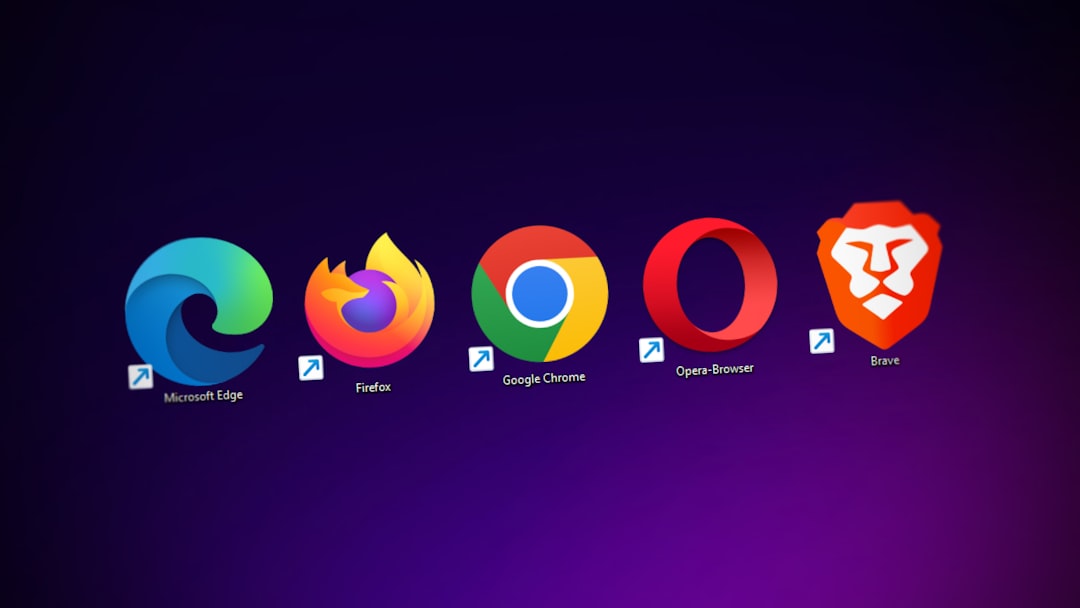
Most browsers today are based on Chromium. That includes:
- Chrome
- Edge
- Brave
- Opera
Waterfox is different. It is not Chromium-based. It uses Gecko instead.
This matters for competition. It keeps the web diverse. It prevents one engine from controlling everything.
Independent Development
Waterfox is developed with a focus on community input. It does not move in the same direction as big tech companies.
In 2026, the team focuses on:
- Stability
- Privacy-first features
- Custom builds
- User feedback
It feels more personal. Less corporate.
Fewer Built-In Ads and Promotions
Some browsers now show sponsored shortcuts and start-page ads.
Waterfox keeps things clean.
No built-in ad tiles. No sponsored bookmarks. Just a browser.
Why Privacy Users Prefer Waterfox
Privacy users are careful. They read policies. They check settings. They care about digital footprints.
Waterfox checks many important boxes.
1. It Respects User Choice
Nothing feels forced.
Updates do not suddenly change your settings. Features are not enabled without permission.
You decide how it behaves.
2. Minimal Data Collection
Waterfox collects very little data. And what it does collect is transparent.
There is no massive advertising network behind it.
You are not the product.
3. Strong Privacy Settings Out of the Box
You do not need ten extensions to be safe.
Default settings already include:
- Tracker blocking
- Strict cookie policies
- Private browsing enhancements
- Secure DNS options
It works well immediately after installation.
4. It Avoids Big Tech Lock-In
Many browsers connect deeply with large ecosystems.
For example:
- Google accounts
- Microsoft accounts
- Cloud-based ad tracking systems
Waterfox stays lighter. You can sync if you want. But you are not pushed into an account.
Waterfox vs Other Browsers in 2026
Here is a simple comparison chart.
| Feature | Waterfox | Chrome | Firefox | Brave |
|---|---|---|---|---|
| Engine | Gecko | Chromium | Gecko | Chromium |
| Telemetry by Default | Minimal or Disabled | Enabled | Limited | Limited |
| Classic Extension Support | Yes | No | No | No |
| Built-In Ads | No | No | No | Optional Ad System |
| Open Source | Yes | Partially | Yes | Yes |
This chart makes one thing clear.
Waterfox is built for control. Not for scale.
Performance in 2026
You might wonder. Is it fast?
Yes. Very.
Waterfox is optimized for modern processors. It supports multi-threading. It handles heavy tabs well.
You can:
- Stream 4K video
- Run web apps
- Open 20+ tabs
Without serious slowdown.
It is not bloated. That helps.
Customization and Power Features
This is where Waterfox shines.
You can tweak:
- Interface layout
- Security levels
- Advanced config flags
- Developer tools
Advanced users love the about:config options. They allow deep modifications.
You can shape the browser to your workflow.
It does not limit curious users.
Who Should Use Waterfox?
Waterfox is great for:
- Privacy advocates
- Developers
- Tech enthusiasts
- Users who miss classic Firefox
It may not be ideal for someone who wants heavy cloud integration and auto-sync across every device without thinking.
It rewards curiosity.
Is Waterfox Safe?
Yes. When downloaded from the official source.
It receives security updates. It patches vulnerabilities. It follows modern encryption standards.
Like any browser, safety also depends on user behavior.
A privacy browser cannot fix risky downloads or phishing mistakes.
But it gives you a strong foundation.
The Philosophy Behind Waterfox
Waterfox believes the web should be:
- Open
- Private
- User-controlled
- Not dominated by one engine
This philosophy matters more in 2026 than ever.
The web is becoming more centralized. AI integrations are everywhere. Data collection is more advanced.
Waterfox feels like a step back. In a good way.
It brings back the idea that your browser works for you. Not for advertisers.
Final Thoughts
Waterfox in 2026 is not trying to be the biggest browser.
It is trying to be the most respectful.
It runs on solid technology. It blocks trackers. It avoids unnecessary data collection. It gives you freedom.
That is why privacy users prefer it.
It feels calm. Clean. Honest.
And sometimes, that is exactly what the modern web needs.