If you’ve ever browsed a sleek online store, booked a flight through a web portal, or used a project management app, you’ve interacted with the result of a long and intricate process: web application development. But what exactly happens in the time between that initial spark of an idea and the moment when a new web app is finally launched to the world?
TLDR (Too long, didn’t read):
Turning a web app idea into a live, functioning product involves far more than just coding. There are multiple structured stages, starting from requirements gathering and design, through development, testing, deployment, and post-launch support. Each step builds upon the last and includes collaboration across various disciplines such as design, development, QA, and product management. Understanding this process helps teams work more efficiently and ensures the final product meets the user’s needs.
The Beginning: What Problem Are We Solving?
Every great web application starts with a problem that needs to be solved. Whether it’s streamlining internal communication within a company or enabling users to track their fitness goals, identifying the core issue is paramount. At this stage, one or more stakeholders will define the mission of the application: who it’s for, what it should do, and why it matters.
This early ideation typically involves:
- Market research and competitor analysis
- User interviews or surveys for insights
- Business goal alignment
- Documenting high-level requirements
Clarity here ensures the team is aligned from Day One. The ultimate question is: What value will this application bring to its users?
Product Discovery and Planning
Once the initial problem is defined, the product discovery phase begins. This is where you assess the feasibility of your idea and start planning its execution. It involves cross-functional collaboration—product managers, UX designers, developers, and even marketing teams may contribute.
Common elements of product discovery include:
- Creating user personas and user journey maps
- Defining a minimum viable product (MVP)
- Deciding on technology stack and tools
- Estimating project scope, costs, and timeline
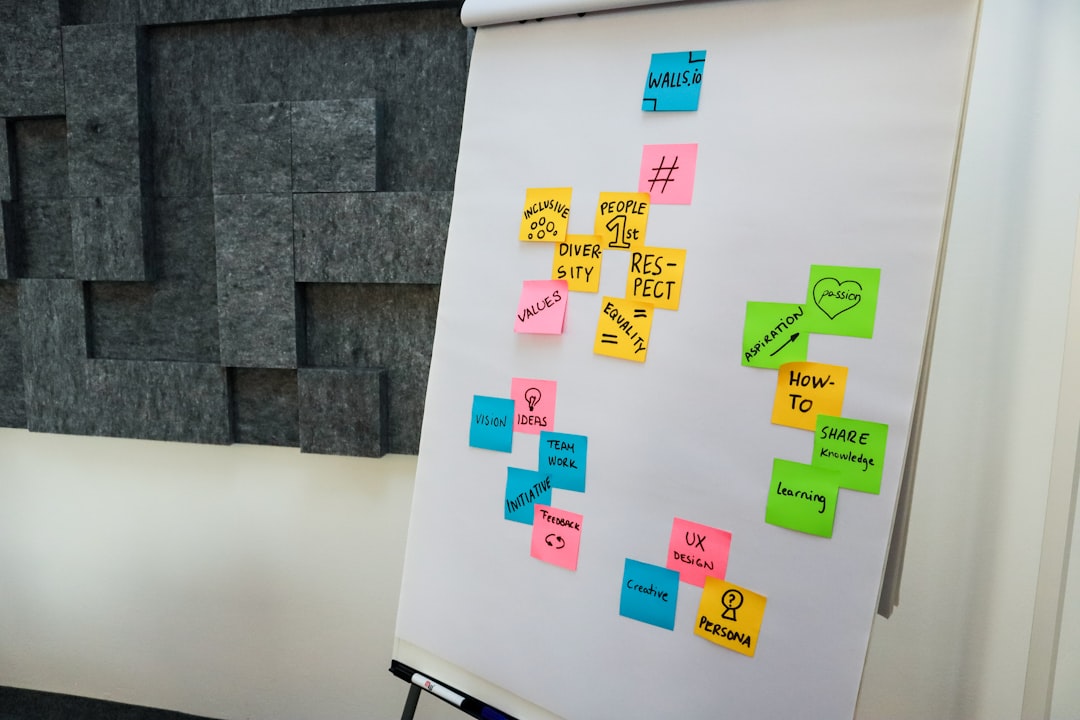
Bonus tip: This is the best time to think about scalability and potential roadblocks before any code is written.
UX/UI Design: Sketching the User Experience
Design plays a pivotal role in the development process. This isn’t just about making the app “look good”; it’s about ensuring that it’s usable, accessible, and aligned with user expectations. During this stage, UX (user experience) and UI (user interface) designers take the stage.
The design process might involve:
- Wireframes and low-fidelity mockups
- Interactive prototypes
- User testing and feedback loops
- Final high-fidelity visual design
Design is also where accessibility and responsiveness come into play. You want your app to work beautifully not only on a desktop but also on tablets and smartphones.
Development: Bringing Designs to Life
Next, the developers step in. They’re the ones who translate a collection of sketches, documents, and goals into an actual working product. Development typically follows a methodology like Agile or Scrum to maintain flexibility and encourage iterative progress.
This stage is usually broken into back-end and front-end development:
- Back-end: Building databases, APIs, servers, and core logic
- Front-end: Implementing user interfaces based on the UI designs

Communication between developers and designers is crucial here to ensure the actual product matches the intended design vision. Hosting environments, version control systems (like Git), and continuous integration tools also come into play.
Testing and QA: Making Sure It Actually Works
No matter how skilled your dev team is, bugs are inevitable—so enter the QA (Quality Assurance) specialists. Testing ensures that the application functions correctly, meets the original requirements, and provides a smooth experience.
Types of testing include:
- Unit Testing: Testing individual components
- Integration Testing: Ensuring modules interact as expected
- User Acceptance Testing (UAT): End users test the product under real-world conditions
- Performance Testing: Checking app behavior under load
During testing, feedback loops are essential. Developers fix bugs, and QA testers verify those fixes. It’s a cycle that may go on for multiple sprints before the app is ready for liftoff.
Deployment: Go Live!
All the hard work culminates in the deployment stage. This is when the product moves from internal teams to the real world. The excitement is real—but careful coordination is vital to avoid any launch-day disasters.
This involves:
- Setting up cloud infrastructure (commonly AWS, Azure, or Google Cloud)
- Running final production tests
- Creating a rollback plan in case something goes wrong
- Deploying the web app to production servers
Depending on app complexity, some teams opt for a soft launch or progressive rollout to smaller user groups before wider availability.
Post-Launch: The Journey Continues
Going live isn’t the finish line—it’s more like crossing the start line of a marathon. Post-launch involves refining and expanding the app based on real user behavior. Monitoring tools like Google Analytics, Hotjar, and application performance monitoring tools become priceless.
Key post-launch activities include:
- Fixing any missed bugs or issues
- Gathering usage data for insights
- Releasing iterative updates based on feedback
- Planning for future features and scaling
Your users’ behavior will teach you more than any prototype ever could. Keep listening, iterating, and improving.
Wrapping Up: The Big Picture
From the first brainstorming session to real-world user interaction, web application development is a complex, collaborative journey. Success doesn’t come from flawless code alone—it requires clear goals, smart planning, creative design, rigorously tested functionality, and continuous learning.
So the next time you click a button on your favorite web app, remember: a whole world of planning, designing, coding, and testing exists behind that click.
Key Takeaway: Web app development isn’t a linear process. It’s iterative, user-centered, and highly collaborative. And with each new build or patch, you’re not just updating an app—you’re improving a digital experience.