In the competitive world of branding and marketing, the business card still holds a powerful place. It’s more than just a method of exchanging contact information—it represents a brand’s identity, voice, and personality in a compact, tactile format. Whether you’re an agency crafting first impressions or a designer looking to maintain brand cohesion, choosing the right custom branding business card maker is essential.
TL;DR: Branding agencies rely on business card makers that allow deep customization, including font integration, logo placement, and adherence to brand color systems. This list highlights nine top-rated platforms that offer robust tools and professional-quality output. Whether digital or print-focused, these tools help ensure every card sent aligns with brand standards. Perfect for maintaining consistency across marketing material and leaving a lasting impression.
The Need for Custom Branding in Business Cards
Business cards have evolved from simple contact slips to elaborate expressions of brand essence. For agencies, the importance of matching a client’s established visual identity—including typography, logo, color system, and overall style—is paramount. Static templates just don’t cut it; agencies require platforms that:
- Allow custom font uploading or access to professional type libraries.
- Support brand color CMYK/RGB/Hex control for print and digital accuracy.
- Ensure logo scaling, placement, and white space compliance.
- Enable streamlined team collaboration and client approvals.
Below are the top 9 business card makers that meet these professional standards agencies rely on for excellence in branding.
1. Moo
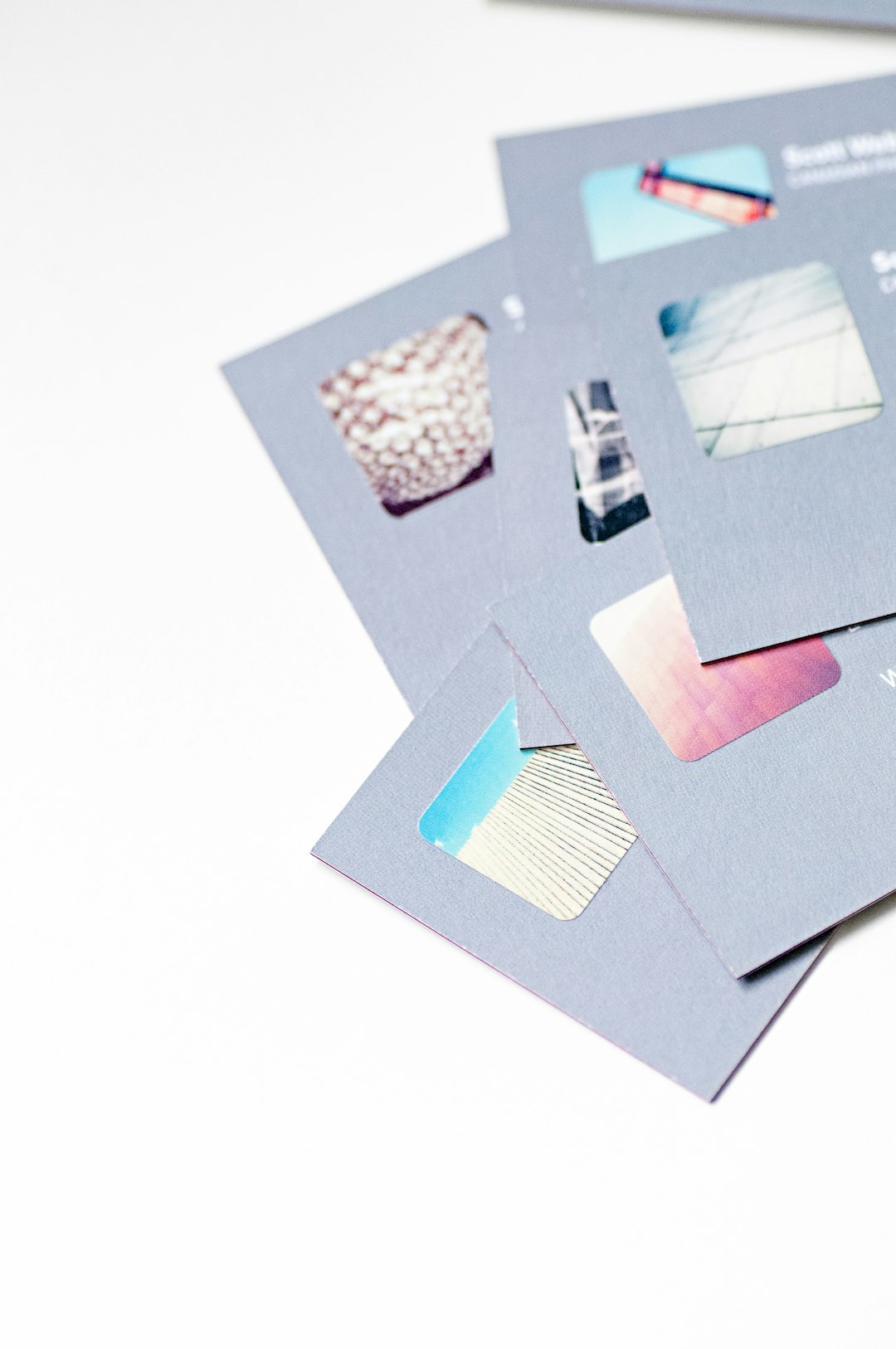
Moo has long been favored by design professionals for its premium quality, minimalist templates, and design flexibility. Agencies love Moo’s Printfinity technology, allowing different designs on each card’s back, while still matching core color systems and typography on the front.
Key Features:
- Custom font upload via PDF or pre-designed files
- Spot gloss and foil options in brand PMS colors
- Ability to order branded packaging for agencies
2. Canva Pro
Canva Pro is favored by agencies that want a faster design process and easy brand kit management. With a robust drag-and-drop interface, Canva Pro allows you to apply stored assets—like logos, brand colors, and fonts—across any design, including business cards.
Key Features:
- Integrated brand kit across assets
- Upload custom fonts
- One-click alignment and element resizing for exact brand compliance
3. Vistaprint Business Solutions
Vistaprint remains a go-to for high-volume agencies due to its scalability and corporate account features. Its Business Solutions division caters directly to agencies by offering templates with brand lock-in features, allowing only certain elements to be edited, protecting brand consistency.
Key Features:
- Locked branded templates for teams
- Online portal for multisite or multilanguage brand rollouts
- Uniform production facilities worldwide for color consistency
4. Adobe Express
Adobe Express (formerly Adobe Spark) is part of the Creative Cloud ecosystem, which gives a major advantage to agencies already using Adobe Illustrator or Photoshop. Business card projects can begin in Express, then seamlessly incorporate elements from other Adobe apps while preserving brand elements built in Creative Cloud Libraries.
Key Features:
- Access to Creative Cloud brand libraries
- Compatibility with professional-grade tools for fonts and layouts
- Real-time design collaboration
5. Jukebox Print
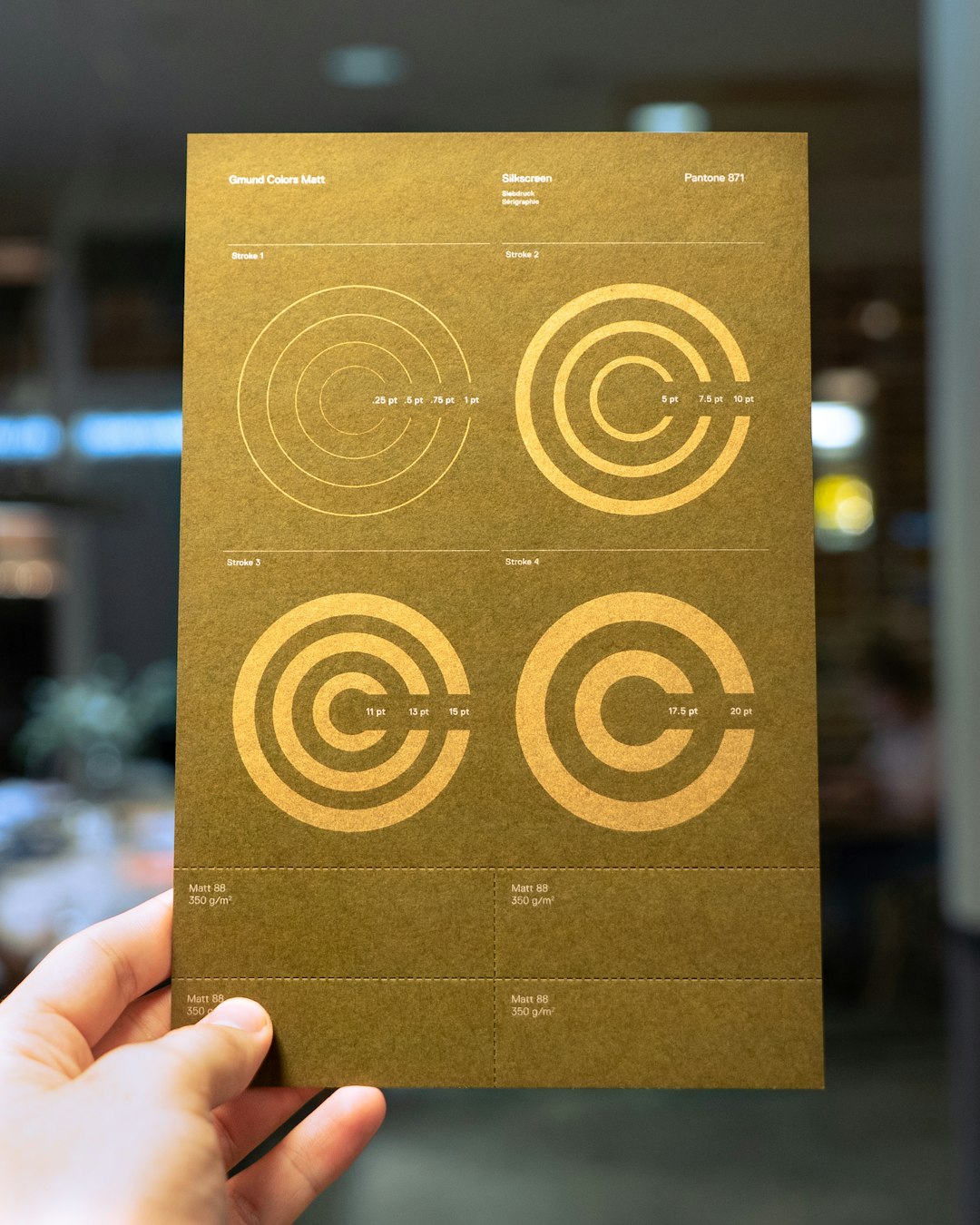
Jukebox is a favorite among boutique agencies and premium brands thanks to their unique paper types and luxury print finishes. Beyond typical CMYK prints, Jukebox handles die cuts, embossing, UV spot printing, and wood/cardboard stocks—all tailored precisely to brand guidelines.
Key Features:
- Highly customizable formats including non-rectangular cards
- Wide color matching with Pantone support
- Free pre-press file check to flag branding errors
6. Brandly
Brandly specializes in keeping brand identity consistent across large-scale organizations or agencies with many clients. It allows teams to create and order business cards through a centralized dashboard with locked branding elements.
Key Features:
- Custom brand portals with approval workflows
- Real-time co-branding for franchises or partners
- In-depth analytics on print costs and usage by department
7. Zazzle Business
Zazzle, while often seen as consumer-focused, offers a professional-grade option for businesses and branding teams with unique artistic needs. Their design tools allow detailed layout tweaking and support color codes, logos, and alignment guidelines.
Key Features:
- Design upload and brand elements embedding
- Ability to configure preset templates with brand-compliant styles
- Marketplace for third-party designers to create on your brand’s behalf
8. Lucidpress (Now Marq)
Marq is a cloud-based brand templating platform formerly known as Lucidpress. It’s more than just a card designer—it’s a full brand management system. Best for larger agencies that need to lock down designs and give controlled editing access to clients or internal teams.
Key Features:
- Locked templates with dynamic fields for names and roles
- Full integration with DAMs (Digital Asset Management systems)
- PDF-proofing with CMYK color alerts
9. GotPrint
GotPrint is a reliable print vendor known for affordability and customization. Though not as design-flexible as others, their robust printing options (textured stock, gloss, foil) make them a strong option for branding once the design is perfected elsewhere.
Key Features:
- Ability to download dielines for exact brand placement
- Extensive paper and shape options
- Bulk order management for resale or agency-drop shipping
What to Look for When Choosing the Right Platform
Agencies and designers often ask a crucial question: Which tool best supports my brand consistency and scalability? Here are helpful considerations:
- Font Accessibility: Does the platform support uploading unique brand fonts or subscribing to font libraries?
- Color Precision: Supports CMYK, Pantone, RGB, or Hex inputs for brand-matching print results?
- Template Control: Can elements be locked or restricted to protect branding?
- Print Finishes: Are luxury effects like foil, letterpress, or texture available?
- Team Collaboration: Does the platform allow approvals, edits, or comments from distributed teams or clients?
Conclusion
The quality and consistency of your business cards speak volumes about your attention to brand detail. For agencies handling multiple clients or expanding visual identities, the nine tools above provide both creative freedom and the technical precision needed to get every element right—fonts, colors, logos, and layout. Investing in the right platform can enhance not only visual impact but also your brand’s trustworthiness and recall value. Choose wisely, design intentionally, and print professionally.