Working in a Security Operations Center (SOC) isn’t all flashing monitors and hacker-style action. It’s real work that requires focus, alertness, and some serious stamina. SOC analysts are the frontline defenders of any organization’s cyber world—and it’s not always easy.
TL;DR
SOC analysts work long, odd hours that can lead to burnout if not managed well. Crazy shifts, constant threats, and pressure can wear down even the best. But with the right culture and habits, burnout can be avoided. Prioritize rest, support each other, and make time to breathe.
The Life of a SOC Analyst
Imagine being a digital bodyguard. That’s basically what a SOC analyst is. Your job? Watching over data traffic, catching threats, and responding fast when things go wrong.
But unlike Hollywood’s version of cybersecurity, real life is full of:
- Long, rotating shifts
- Constant alertness
- Unpredictable sleep cycles
- High-pressure alerts
Many SOCs operate 24/7. That means working during the night, weekend, or even on holidays. Someone has to be guarding the digital gate all the time!
What Burnout Looks Like
Burnout doesn’t happen overnight. It creeps up. You start feeling tired all the time. You stop caring about tickets. You might even make more mistakes.
Here are signs you’re heading toward burnout:
- Feeling tired no matter how much you sleep
- Irritability with coworkers or alerts
- Lack of motivation or disconnection from your work
- Missing warnings or making simple errors
Left unchecked, burnout can lead to anxiety, depression, or physical illness. It affects your work and your life. Not fun!
Why SOC Culture Matters
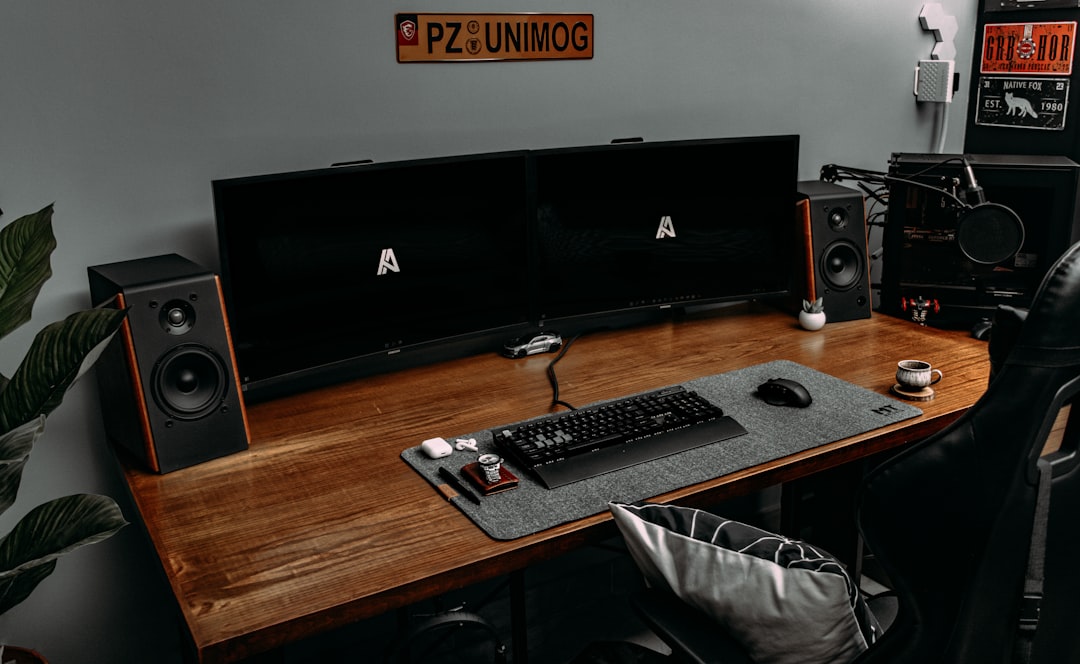
The work culture in a SOC can make or break the team. If you’re under nonstop stress and there’s no support, burnout is inevitable. But if the culture encourages breaks, teamwork, and communication, it’s a whole different game.
Healthy SOC culture includes:
- Supportive teammates and managers
- Open communication about mental health
- Flexible scheduling when possible
- Celebrating wins, no matter how small
You can’t stop cyber threats from coming, but you can change how you face them together.
Tips to Beat Burnout
Good news! Burnout isn’t a certainty. There are ways to fight it and win. Here’s how:
1. Stick to a Healthy Sleep Schedule
This is hard when shifts change. But try to sleep at the same times each day, even on days off. Block out light. Use white noise machines. Don’t bring your phone to bed.
2. Move Your Body
Exercise doesn’t have to be intense. Just take short walks, stretch, or do a few push-ups during your shift. Movement keeps your brain clear and your mood up.
3. Buddy Up
Make friends at work. Talk. Laugh. Share the load. Having a fellow analyst to vent to can make all the difference on long shifts.
4. Take Breaks—Real Ones
Don’t eat at your desk. Don’t check alerts while sipping coffee. Walk away. Breathe. Give your brain time to reset.
5. Keep Learning
Training and learning new skills can refresh your mind. It reminds you why you love cybersecurity in the first place. Chase curiosity, not just alerts.
6. Speak Up
If you’re feeling burned out, say something. Talk to your manager or lead analyst. Good leaders will listen and try to help. Don’t suffer in silence.
7. Have a Life Outside Work
Find hobbies that reset your brain. Play games, cook, go hiking, or just binge cat videos. Your job is important—but it’s not your entire life.
When Management Gets It Right
Managers play a big part in shaping SOC culture. When they care about people, not just metrics, everyone does better.
Here’s what good management does:
- Rotates shifts fairly and gives people time to recover
- Encourages wellness and rest
- Celebrates success—even catching a suspicious login attempt
- Listens to analyst feedback and avoids micro-managing
Stacking shifts with no recovery time is a recipe for disaster. Great managers know that well-rested analysts are better defenders.
The Shift Struggle
Let’s be honest—night shifts are hard. You miss social events. You feel out of sync. Your friends say, “Wait, you’re working again?” Yup.
The trick is adapting. Night shifts don’t have to ruin your life if you learn to manage them:
- Use blackout curtains to mimic nighttime during the day
- Let family and friends know not to disturb sleep time
- Eat healthy meals and drink water, not just caffeine
- Do something relaxing before your shift starts
Yes, it takes effort. But it’s worth it to stay sharp and sane.
Your Mind Is Your Greatest Tool
As a SOC analyst, your brain is your most powerful asset. Keep it protected. That means fewer all-nighters, more real rest, and avoiding the trap of overwork.
Self-care isn’t selfish—it’s strategic.
It’s easy to try and “tough it out.” But long-term stress leads to poor performance and burnout. Cybersecurity is a marathon, not a sprint. Pace yourself.
Conclusion: Stay Sharp, Stay Human
Working as a SOC analyst is rewarding, but it’s also tough. Long shifts, cyber threats, and pressure don’t go away. But that doesn’t mean burnout has to be part of the deal.
With good habits and good culture, you can thrive in this field. Take care of your mind and body. Support each other. Speak up. And remember to unplug once in a while.
Above all—don’t just protect the network. Protect yourself, too.