As energy systems grow more complex, utilities, businesses, and consumers are turning to smart grid management apps to balance electricity supply and demand in real time. These digital platforms integrate data from sensors, smart meters, renewable energy sources, and connected devices to ensure that power flows efficiently and reliably across the grid. With rising renewable adoption and increasing strain on aging infrastructure, intelligent software has become essential to modern grid operations.
TLDR: Smart grid management apps use real-time data, AI, and automation to balance electricity supply and demand more efficiently. They help utilities integrate renewable energy, reduce outages, cut costs, and empower consumers to optimize their usage. By combining predictive analytics, demand response capabilities, and grid monitoring tools, these platforms enhance reliability and sustainability. As energy systems evolve, smart apps are becoming central to resilient power management.
The traditional grid was designed for one-directional power flow—from centralized plants to consumers. Today, energy systems are far more dynamic. Rooftop solar panels, wind farms, battery storage, electric vehicles, and smart appliances constantly change the supply-demand equation. Smart grid management applications bridge this complexity by enabling better visibility, automation, and decision-making.
Why Balancing Supply and Demand Is Critical
Electricity must be generated and consumed almost simultaneously. If supply exceeds demand, frequency rises and equipment can be damaged. If demand exceeds supply, blackouts become likely. Achieving balance requires:
- Accurate forecasting of consumption and generation
- Instantaneous adjustments from power plants or storage systems
- Consumer participation through demand response programs
- Grid visibility across transmission and distribution networks
Smart apps unify these elements into one control interface. They collect millions of data points per second and convert them into actionable signals for grid operators and consumers alike.
Core Features of Smart Grid Management Apps
While platforms vary in specialization, most share foundational features designed to maintain grid stability and efficiency.
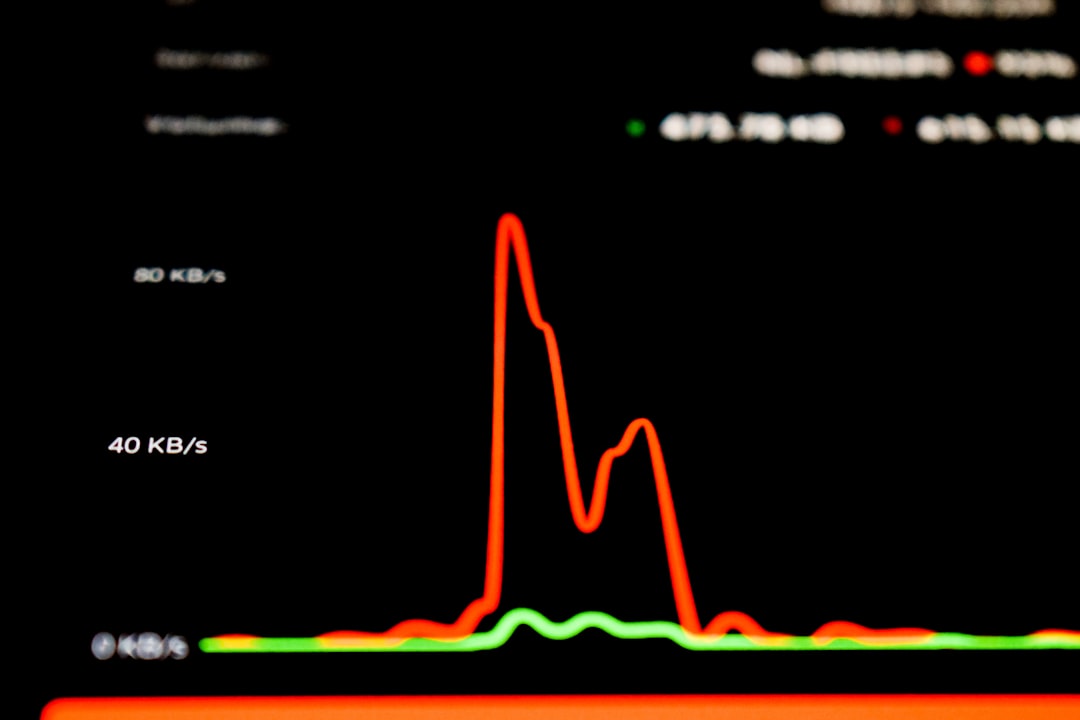
1. Real-Time Monitoring
Advanced dashboards provide visualization of:
- Energy generation levels
- Load demand patterns
- Grid frequency and voltage
- Equipment health indicators
Operators can spot anomalies instantly and prevent disruptions before they cascade.
2. Demand Response Automation
Demand response is a powerful tool that reduces pressure during peak periods. Smart apps automatically send signals to:
- Lower thermostat settings in commercial buildings
- Delay industrial processes
- Adjust electric vehicle charging cycles
- Dispatch stored energy from batteries
These small distributed reductions collectively stabilize the grid during high-demand events.
3. Renewable Energy Integration
Wind and solar are variable by nature. Smart management apps use predictive analytics and weather data to forecast renewable output. When fluctuations occur, the software can:
- Activate backup generation
- Deploy battery storage
- Trigger demand response
- Redirect power flows
This makes high levels of renewable penetration feasible without compromising reliability.
4. Predictive Analytics and AI
Artificial intelligence plays a major role in modern grid management. By analyzing historical demand patterns, equipment performance, and climatic conditions, AI models can:
- Predict peak demand periods
- Identify potential equipment failures
- Optimize power dispatch schedules
- Reduce operational costs
Machine learning continuously refines models as new data becomes available.
5. Consumer-Facing Energy Apps
Some smart grid platforms extend functionality directly to consumers via mobile apps. These applications allow users to:
- Track real-time usage
- Schedule appliance operation
- Receive peak pricing alerts
- Participate in incentive programs
Empowered users become active participants in grid stability rather than passive consumers.
Leading Smart Grid Management Platforms
The market includes a mix of enterprise software providers and utility-focused solution developers. The following examples illustrate different approaches to balancing supply and demand:
- AutoGrid Flex – Focuses on demand response and distributed energy optimization.
- Schneider Electric EcoStruxure Grid – Provides integrated grid monitoring and automation.
- Siemens Spectrum Power – Offers advanced control center solutions for utilities.
- Oracle Utilities Network Management – Integrates outage management and forecasting.
- GE GridOS – Modular grid software platform for transmission and distribution.
Comparison Chart
| Platform | Primary Strength | Best For | AI Integration | Demand Response Capability |
|---|---|---|---|---|
| AutoGrid Flex | Distributed energy optimization | Utilities with high DER adoption | Advanced | Strong |
| EcoStruxure Grid | Infrastructure integration | Large-scale grid modernization | Moderate | Moderate |
| Spectrum Power | Control center operations | Transmission operators | Advanced | Limited |
| Oracle Utilities | Forecasting and outage management | Distribution utilities | Advanced | Moderate |
| GE GridOS | Modular architecture | Modern digital utilities | Strong | Moderate |
How Smart Apps Improve Grid Reliability
Reliability remains the core objective of any power system. Smart apps enhance reliability in several ways:
Faster Fault Detection
Sensors distributed across transmission lines and substations send alerts when abnormalities occur. Smart systems isolate problem areas automatically, reducing outage scope and duration.
Automated Load Shedding
In emergencies, software executes predefined load-shedding strategies. Instead of widespread blackouts, targeted, temporary reductions preserve overall grid stability.
Distributed Energy Resource Coordination
Solar rooftops and battery storage units across neighborhoods can act collectively as a “virtual power plant.” Management apps aggregate these resources and dispatch them when demand surges.

Economic and Environmental Benefits
Balancing supply and demand is not just a technical concern—it also delivers major economic and environmental advantages.
Cost Reduction
Peak demand drives high wholesale electricity prices. By flattening peaks through demand response and better forecasting, smart grid apps reduce costly infrastructure expansion and limit reliance on expensive peaker plants.
Lower Carbon Emissions
More accurate coordination of renewable resources means fewer fossil-fuel-based backup plants are required. Optimized dispatch decreases unnecessary generation, cutting emissions.
Deferred Infrastructure Investment
When demand is managed effectively, utilities can delay large capital expenditures on new substations and transmission lines.
Cybersecurity and Data Protection
As grids grow more digital, cybersecurity becomes paramount. Smart grid management apps implement:
- End-to-end encryption
- Role-based access controls
- Intrusion detection systems
- Continuous monitoring and threat analytics
Maintaining secure communication channels ensures both operational integrity and consumer confidence.
The Future of Smart Grid Management
Emerging technologies will further transform how supply and demand are balanced:
- Edge computing for faster local decision-making
- Blockchain-based energy trading between prosumers
- Vehicle-to-grid integration using EV batteries as flexible assets
- Advanced digital twins for real-time grid simulation
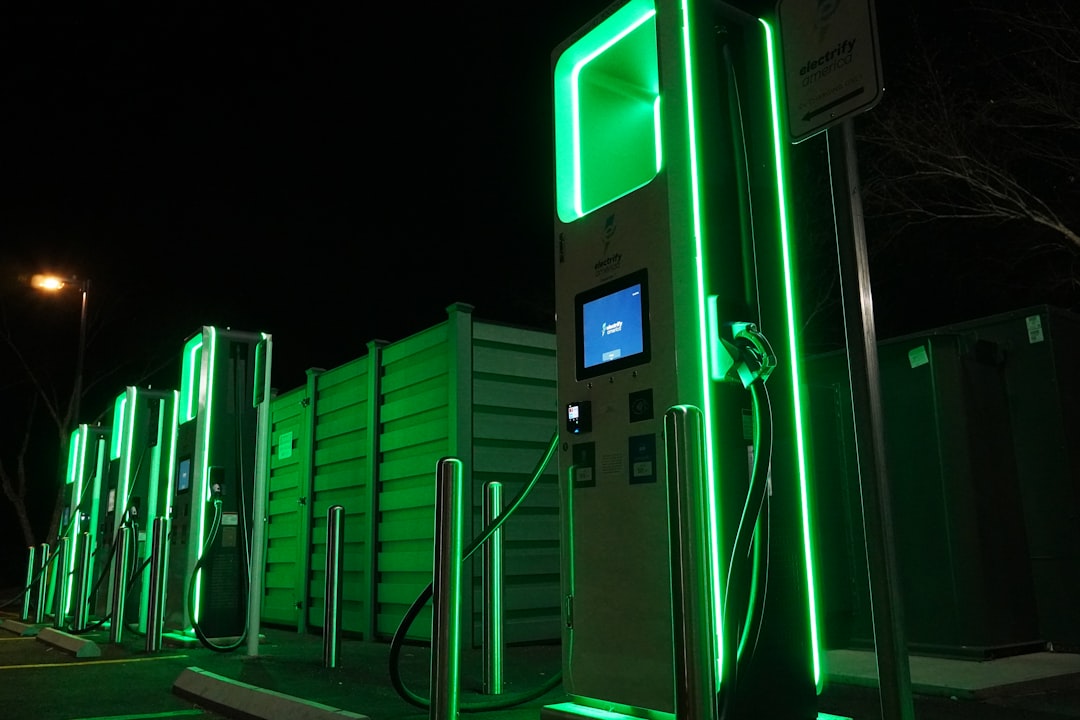
As electrification expands—particularly in transportation and heating—smart management systems will become even more indispensable. Grids must evolve from reactive systems into predictive, adaptive networks capable of self-optimization.
Conclusion
Smart grid management apps represent a fundamental shift in how electricity systems operate. By leveraging real-time monitoring, AI-powered forecasting, demand response automation, and distributed energy coordination, these platforms help maintain the delicate balance between supply and demand. The result is a grid that is more resilient, cost-effective, and environmentally sustainable. As renewable adoption increases and digital transformation accelerates, intelligent grid applications will remain central to modern energy strategy.
Frequently Asked Questions (FAQ)
1. What is a smart grid management app?
A smart grid management app is software that monitors, analyzes, and optimizes electricity generation and consumption in real time to maintain grid stability and efficiency.
2. How do these apps balance supply and demand?
They use real-time data, AI forecasting, demand response automation, and distributed energy coordination to ensure electricity supply closely matches consumption at all times.
3. Are smart grid apps only for utilities?
No. While utilities are primary users, many platforms include consumer-facing applications that allow households and businesses to manage energy usage and participate in incentive programs.
4. Do smart grid apps support renewable energy?
Yes. They integrate weather forecasting, storage management, and flexible demand tools to accommodate variable renewable sources like wind and solar.
5. How secure are smart grid applications?
Most enterprise-grade platforms implement encryption, access controls, and continuous security monitoring to protect infrastructure and user data from cyber threats.
6. What role does AI play in smart grid management?
AI enables predictive analytics, anomaly detection, demand forecasting, and automated optimization of distributed energy resources, improving both efficiency and reliability.