RFID plastic cards have become a familiar part of modern life, even when users do not always notice the technology behind them. They are used to open office doors, pay transit fares, identify hotel guests, control campus access, track memberships, and support secure authentication in many industries. By combining durable plastic card construction with radio frequency identification technology, these cards offer a convenient way to store and transmit data without requiring direct physical contact.
TLDR: RFID plastic cards use radio waves to communicate with compatible readers, making them useful for access control, payments, identification, loyalty programs, and asset management. Their security depends on encryption, authentication, proper card issuance, and safe handling practices. Organizations should choose the right card type, protect stored data, monitor usage, and train users to reduce risks. When managed correctly, RFID cards provide a practical balance of convenience, durability, and security.
What RFID Plastic Cards Are
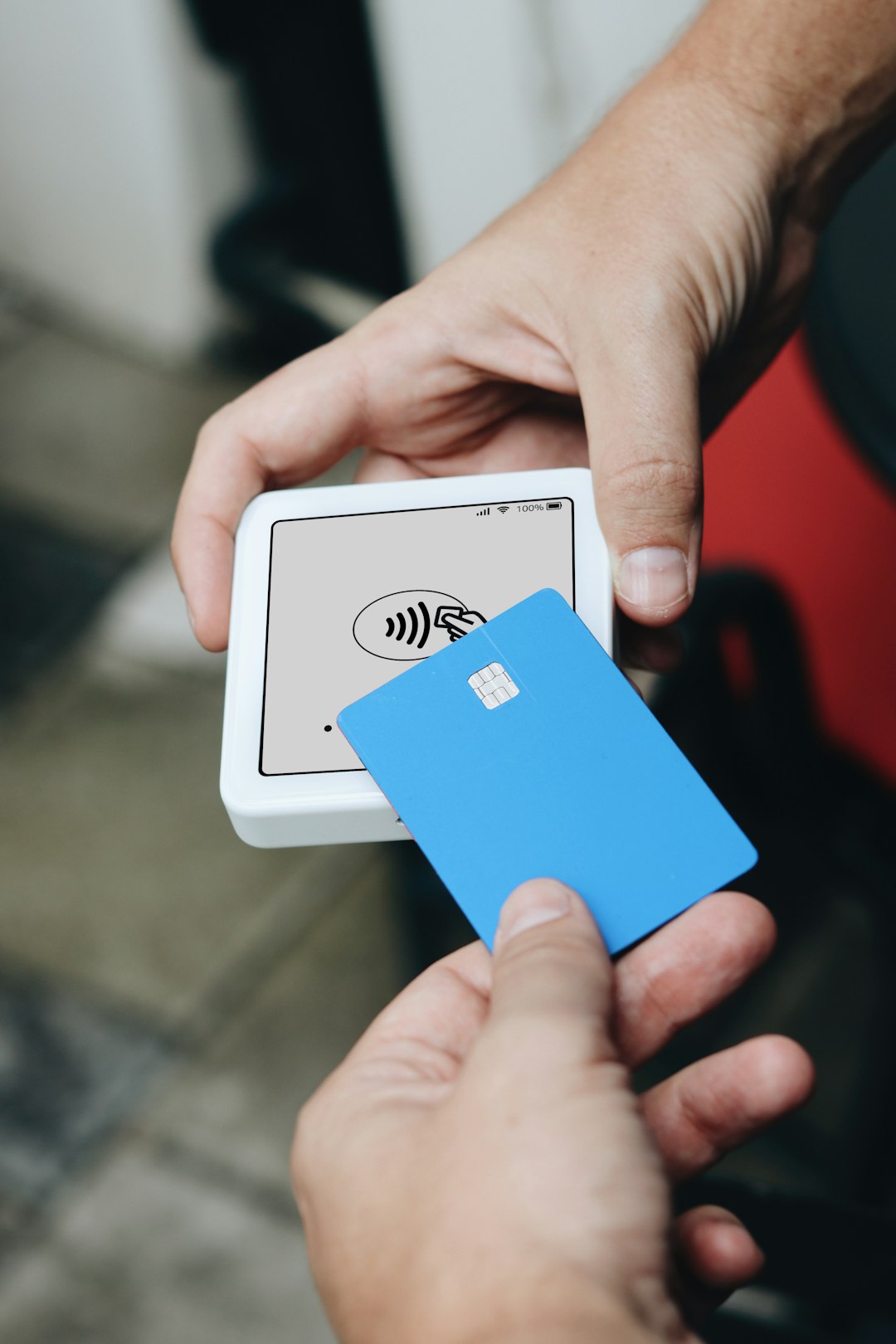
RFID stands for radio frequency identification. An RFID plastic card contains a small embedded chip and antenna. When the card is brought near a compatible reader, the reader emits a radio signal that powers or activates the card. The card then sends back stored information, such as a unique identification number, encrypted credential, or account reference.
Most RFID cards are made from plastic materials such as PVC, PET, polycarbonate, or composite blends. These materials protect the internal chip and antenna while allowing the card to remain lightweight, printable, and easy to carry. The outside of the card may include printed branding, a user name, barcode, magnetic stripe, photo ID, signature panel, or holographic security feature.
RFID plastic cards are often grouped into three main categories:
- Low frequency cards: Commonly used for basic access control and animal identification systems.
- High frequency cards: Frequently used for contactless payments, library cards, hotel keys, and secure identification.
- Ultra high frequency cards: Often used for logistics, asset tracking, parking systems, and environments requiring longer read ranges.
The right frequency depends on the application, desired read distance, security requirements, and reader infrastructure.
Common Uses of RFID Plastic Cards
RFID plastic cards are widely adopted because they are fast, durable, and simple for users to operate. Instead of inserting a card or typing a code, the user can usually tap or hold the card near a reader. This convenience has led to many uses across commercial, public, and institutional settings.
Access Control
One of the most common uses of RFID cards is building access control. Offices, schools, hospitals, apartment buildings, warehouses, and government facilities use RFID credentials to determine who may enter specific areas. A card can be programmed to allow general entry, restricted department access, time-based access, or visitor access.
This approach helps organizations manage physical security. If a card is lost, it can be deactivated without changing locks. If an employee changes roles, access permissions can be updated in the system. For large facilities, RFID access control also creates an audit trail showing when and where a credential was used.
Payment and Transit Systems
Contactless payment cards and transit cards often use RFID or closely related near field communication technology. Users can tap a card at a fare gate, vending machine, parking meter, or payment terminal. The transaction is processed quickly, which reduces queues and improves customer experience.
In transit systems, RFID cards may store account data, fare value, ride history, or a secure identifier linked to a central account. In payment systems, stronger protections are typically used, including encryption, tokenization, and transaction limits.
Hotel and Hospitality Applications
Hotels frequently use RFID plastic cards as room keys. Compared with older magnetic stripe cards, RFID cards are less likely to fail because they do not require swiping and are less affected by surface wear. They can also support guest access to elevators, gyms, pools, business lounges, and conference rooms.
In hospitality environments, RFID cards may improve guest convenience while allowing staff to manage room access efficiently. Cards can be activated at check-in and automatically expire at check-out, reducing the risk of unauthorized room entry after a stay ends.
Employee, Student, and Membership Identification
RFID plastic cards are often used as multiuse ID cards. A single card can identify an employee or student, open doors, track attendance, check out library materials, pay for meals, access printers, and verify membership status.
For gyms, clubs, trade associations, and professional organizations, RFID membership cards help streamline check-ins and reduce manual administration. The card does not need to store sensitive personal information directly; it can simply contain a secure identifier that connects to a protected database.
Asset Tracking and Inventory Management
RFID technology is also useful for tracking assets. While tags are more common than cards for inventory, RFID plastic cards may be assigned to equipment kits, maintenance processes, vehicle access, warehouse personnel, or tool checkout systems. This helps businesses maintain accountability and reduce loss.
Image not found in postmetaKey Security Features
Security is one of the most important considerations when deploying RFID plastic cards. Not all RFID cards offer the same level of protection. Some basic cards transmit a static identification number, while more advanced cards use cryptographic methods to prevent copying, interception, or manipulation.
Encryption
Encryption protects data by converting it into a form that cannot be easily read without the correct key. Secure RFID cards may encrypt communication between the card and reader, making it harder for attackers to capture useful information. For applications involving payments, facility access, or personal identity, encryption is strongly recommended.
Mutual Authentication
In a secure RFID system, the card and reader may authenticate each other before exchanging sensitive data. This means the card verifies that the reader is legitimate, and the reader verifies that the card is legitimate. Mutual authentication reduces the risk of rogue readers collecting card data or fake cards gaining entry.
Unique Identifiers and Secure Memory
RFID cards usually include a unique identifier. In lower-security systems, this identifier may be the only data used, which can be risky if the number is copied. More secure cards combine unique identifiers with protected memory sectors, access keys, counters, or digital signatures.
Anti-Collision Technology
Anti-collision features allow multiple RFID cards or tags to be detected in the same area without confusing the reader. This is especially useful in transit, event access, inventory, and crowd management environments. While anti-collision is not strictly a security feature, it supports reliable operation and reduces transaction errors.
Visual Security Elements
Because RFID cards are physical credentials, printed security features also matter. These may include:
- Photo identification to connect the card to a specific person.
- Holograms to make counterfeiting more difficult.
- UV printing or microtext for hidden verification.
- Signature panels for manual checks.
- Barcodes or QR codes for backup scanning or secondary verification.
Combining electronic and visual security makes the card more difficult to misuse.
Potential Risks and Vulnerabilities
RFID plastic cards are convenient, but they are not risk-free. The level of risk depends on the card technology, reader configuration, data handling, and user behavior.
One common concern is skimming, where an unauthorized reader attempts to collect information from a card without the cardholder’s knowledge. This risk is greater for older or low-security cards that transmit static data. Another concern is cloning, where copied card data is used to create a duplicate credential. Systems that rely only on unprotected card numbers are more vulnerable to this type of attack.
Lost or stolen cards also present a security issue. If a card is not quickly reported and deactivated, another person may attempt to use it. In workplaces or campuses, poor permission management can create additional problems when users retain access they no longer need.
Privacy is another consideration. If RFID systems collect detailed movement or transaction data, organizations should define how that information is stored, who can access it, and how long it is retained. Responsible data governance helps maintain trust and supports compliance with privacy regulations.
Best Practices for Organizations
Organizations that issue RFID plastic cards should take a structured approach to selection, deployment, and ongoing management. A secure card program is not based only on the card itself; it also depends on policies, software, readers, users, and administrative controls.
Choose the Right Card Technology
Decision-makers should match the card type to the risk level of the application. A simple membership check-in card may not need the same protections as a government ID, payment credential, or data center access badge. For sensitive environments, cards with strong encryption and mutual authentication should be preferred.
Limit Stored Data
Whenever possible, RFID cards should store only the information necessary to perform their function. Instead of storing personal details directly on the card, many systems use a secure identifier linked to data in a protected server. This reduces exposure if a card is lost or scanned by an unauthorized reader.
Use Strong Access Management
Access privileges should follow the principle of least privilege. Users should receive only the access they need, and permissions should be reviewed regularly. When an employee leaves, a student graduates, or a membership expires, the associated RFID credential should be disabled promptly.
Monitor and Audit Card Activity
RFID systems should maintain logs of important events, such as access attempts, denied entries, unusual usage times, or repeated failed reads. Regular audits help detect suspicious activity and identify administrative errors. For high-security facilities, alerts may be configured for unusual access patterns.
Protect the Reader Infrastructure
Readers should be installed securely and protected from tampering. Network-connected readers should use secure communication protocols and updated firmware. If readers are connected to a central access control system, that system should be protected with strong passwords, role-based permissions, backups, and monitoring.
Best Practices for Cardholders
Cardholders also play an important role in maintaining security. They should treat RFID plastic cards like keys, payment cards, or official identification documents. A lost card should be reported immediately so it can be deactivated.
Users should avoid lending cards to others, even for what seems like a harmless purpose. Shared cards weaken accountability and may violate workplace or facility policies. In secure environments, cardholders may be encouraged to keep cards in protective sleeves or RFID-blocking holders, especially when the card contains sensitive credentials.
It is also important for cardholders to inspect cards for damage. Cracks, deep bends, punctures, or heavy heat exposure may damage the internal antenna or chip. If a card becomes unreliable, it should be replaced rather than repeatedly forced to work at readers.
Durability and Card Design Considerations
The physical design of an RFID plastic card affects both usability and lifespan. Cards used daily should be durable enough to withstand bending, abrasion, moisture, and temperature changes. For outdoor, industrial, or long-term identification uses, stronger materials such as composite PVC or polycarbonate may be preferred.
Design also affects user experience. Clear printing, readable text, intuitive branding, and visible role indicators can help staff and security personnel identify cards quickly. However, organizations should avoid printing unnecessary sensitive information on the card surface. A good design balances function, security, and professional appearance.
The Future of RFID Plastic Cards
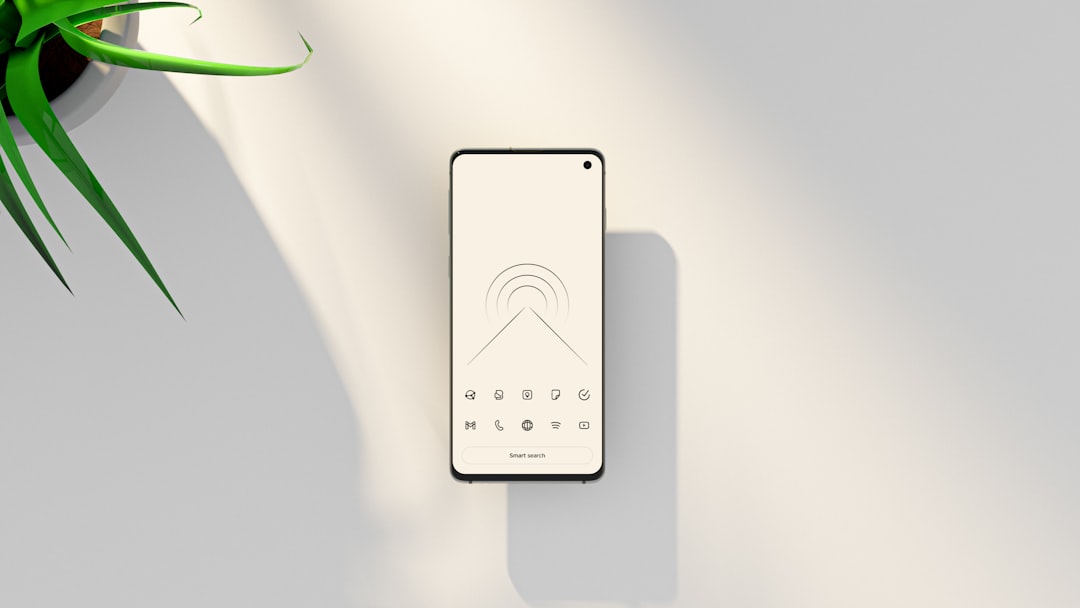
RFID plastic cards continue to evolve alongside mobile credentials, biometrics, and cloud-based access systems. Some organizations are shifting toward smartphones or wearable devices, but plastic cards remain highly practical because they are affordable, familiar, and do not depend on battery life. In many environments, RFID cards and mobile credentials are used together to provide flexible options.
Future RFID systems are likely to place greater emphasis on stronger encryption, privacy protection, sustainable card materials, and integration with digital identity platforms. As security expectations increase, outdated low-security cards may be replaced with smarter credentials that support advanced authentication.
Conclusion
RFID plastic cards offer a strong combination of convenience, durability, and operational efficiency. They support many everyday functions, from office access and hotel room entry to transit fares and membership verification. However, their effectiveness depends on using the correct technology and managing it responsibly.
Organizations should evaluate security needs carefully, select appropriate RFID card types, limit stored data, monitor usage, and educate cardholders. When these best practices are followed, RFID plastic cards can provide a secure and user-friendly solution for identification, access, payment, and tracking applications.
FAQ
What is an RFID plastic card?
An RFID plastic card is a card with an embedded chip and antenna that communicates with a reader using radio waves. It is commonly used for access control, identification, payments, transit, and membership systems.
Do RFID cards need batteries?
Most RFID plastic cards are passive, meaning they do not need batteries. They are powered by the radio signal from the reader when placed within range.
Can RFID plastic cards be copied?
Some low-security RFID cards can be copied if they transmit unprotected static data. More secure cards use encryption, authentication, and protected memory to reduce the risk of cloning.
Are RFID cards the same as NFC cards?
NFC is a type of high frequency contactless communication related to RFID. Many NFC cards are RFID cards, but not all RFID cards use NFC technology.
How can an RFID card be protected from skimming?
Cardholders can use RFID-blocking sleeves or wallets, while organizations can reduce skimming risk by choosing encrypted cards and systems that require mutual authentication.
What should be done if an RFID card is lost?
The cardholder should report the loss immediately. The organization should deactivate the card in the system and issue a replacement if needed.
How long do RFID plastic cards last?
Card lifespan depends on material, usage, and environment. Many cards last several years under normal conditions, but heavy bending, heat, moisture, or physical damage can shorten their life.