Your next great case may start with a search box. Someone gets hurt. They grab a phone. They type “car accident lawyer near me” or “slip and fall attorney.” If your firm does not show up, another firm gets the call. That is why personal injury lawyer SEO matters.
TLDR: SEO helps personal injury law firms appear when injured people search online. The best results come from strong local pages, helpful content, good reviews, fast websites, and clear calls to action. Keep it simple. Show people you can help, then make it easy for them to contact you.
What Is Personal Injury SEO?
SEO means search engine optimization. It is the work you do to help your website rank higher on Google and other search engines.
For personal injury lawyers, SEO is not just about traffic. It is about the right traffic. You want people who need help now. You want car accident victims. You want workers hurt on job sites. You want people dealing with medical bills, missed work, and stress.
Good SEO puts your firm in front of them at the right moment.
Why SEO Is So Powerful for Injury Firms
Personal injury law is competitive. Very competitive. Some firms spend huge money on ads. Billboards are everywhere. TV spots run all day. Pay per click ads can cost a lot.
SEO is different. It takes time. But it can build a steady flow of case leads. Once your pages rank well, they can work for you day and night.
Think of SEO like planting a garden. Ads are like buying fruit at the store. Fast, but expensive. SEO is like growing your own fruit. It takes patience. But the harvest can be sweet.
Start With Local SEO
Most injury clients want a lawyer nearby. So local SEO is the first big win.
Your firm should show up for searches like:
- personal injury lawyer near me
- car accident attorney in your city
- truck accident lawyer in your county
- slip and fall lawyer near downtown
To do this, create strong location pages. Do not make thin pages with only the city name changed. Google notices that. People do too.
Instead, write pages that feel local. Mention nearby roads. Mention local courts if useful. Talk about common accident spots. Add office details. Add parking info. Make the page feel real.
Fix Your Google Business Profile
Your Google Business Profile is a big deal. It can appear in the map pack. That is the box with local firms, stars, and phone buttons.
Many injured people call from that box before they even visit a website.
Make sure your profile has:
- The correct firm name
- The correct address
- A working phone number
- Your business hours
- Photos of your office and team
- A clear list of services
- Fresh posts and updates
Also, choose the right categories. If you are a personal injury firm, say so. Do not get cute. Google likes clear signals.
Reviews Can Help You Win Trust
Reviews are social proof. They tell nervous people, “This firm helped someone like me.” That matters.
Ask happy clients for honest reviews. Make it easy. Send a short link. Do not pressure them. Do not offer money. Keep it ethical.
Good reviews can improve clicks. They can also improve trust. A firm with 4.8 stars and kind comments feels safer than a blank profile.
Reply to reviews too. Be polite. Be professional. Never share private case details. A simple thank you goes far.
Build Practice Area Pages That Answer Real Questions
Your website should not have one lonely page called “Personal Injury.” That is not enough.
Create separate pages for important case types. For example:
- Car accidents
- Truck accidents
- Motorcycle accidents
- Pedestrian accidents
- Slip and fall injuries
- Dog bites
- Wrongful death
- Workplace injuries
Each page should answer simple questions. What should the injured person do next? Who may be liable? What damages may be available? How long do they have to file? What can your firm do?
Use plain language. No legal fog machine. People are stressed. They need answers, not a textbook.
Write Blog Posts That People Actually Need
Blogging is not dead. Boring blogging is dead.
Write posts that help real people. Think about the questions your intake team hears every week.
Good topics include:
- What to do after a car accident
- How long injury claims take
- What happens if the other driver has no insurance
- When to call a lawyer after a fall
- What not to say to an insurance adjuster
These posts can bring in visitors early. Some may not be ready to call yet. That is fine. Help them now. They may remember you later.
Make Every Page Easy to Use
SEO does not stop at rankings. People must contact you.
Your website should load fast. It should look good on phones. The phone number should be easy to tap. Contact forms should be short. Chat should be helpful, not annoying.
Do not hide your call to action. Say things like:
- Call for a free consultation
- Tell us what happened
- Get help today
Make it obvious. Make it friendly. Make it quick.
Use Content That Builds Confidence
Injury clients are scared. They may have pain, bills, and pressure from insurance companies. They are looking for someone who knows what to do.
Add trust signals to your website. These can include:
- Attorney bios with real photos
- Case results, if allowed in your state
- Client testimonials, with proper permission
- Awards and memberships
- Clear fee information
- Answers about the legal process
Explain your fee model. Many injury firms work on contingency. Say what that means. Say it simply. For example: You pay no attorney fee unless we recover money for you.
Get Links From Trusted Sites
Links are like votes. When trusted sites link to your firm, Google may see your site as more credible.
But not all links are good. Avoid spam. Do not buy junk links from weird websites. That can backfire.
Better link ideas include:
- Local charity sponsorships
- Legal directories
- Local news mentions
- Community event pages
- Guest articles on trusted sites
- Scholarship pages
Keep it real. If a link would make sense to a human, it is usually better.

Do Not Forget Technical SEO
Technical SEO sounds scary. It is not. It just means your website should be easy for Google to crawl and easy for people to use.
Check these basics:
- Your site uses HTTPS
- Pages load quickly
- Images are compressed
- Broken links are fixed
- Page titles are clear
- Meta descriptions are useful
- Your site works well on mobile
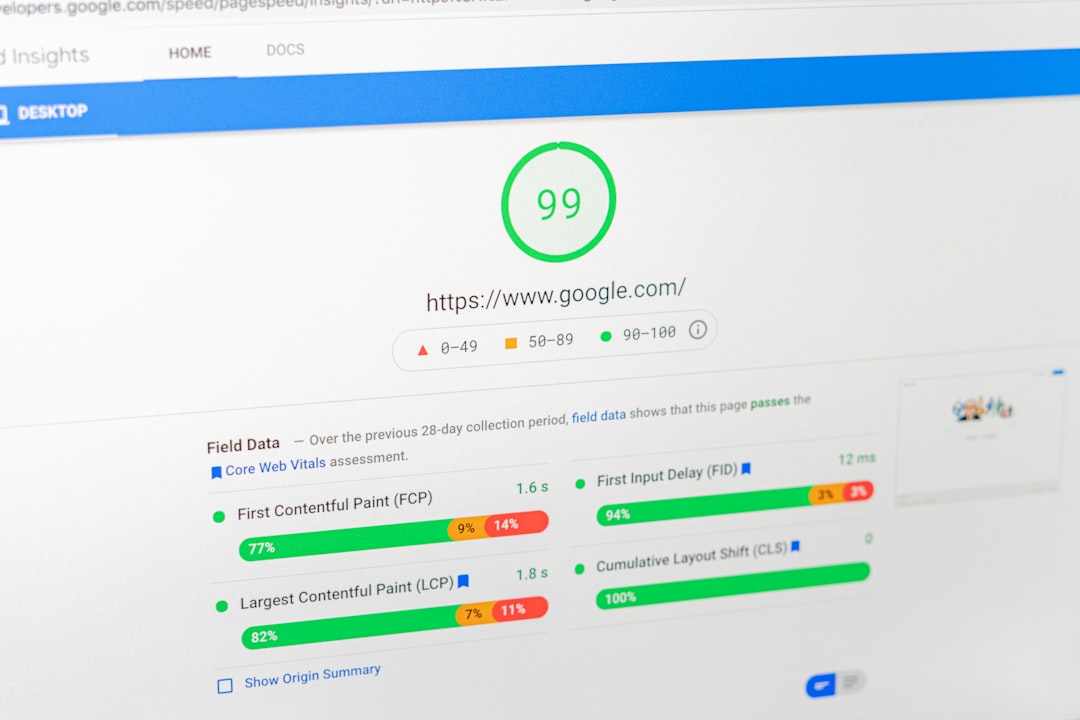
A slow website is like a locked office door. People leave. Google notices.
Track What Matters
Do not guess. Track your results.
Look at calls, form fills, chat leads, and booked consultations. Rankings are nice. Traffic is nice. But cases pay the bills.
Use call tracking if possible. Track which pages generate leads. See which keywords bring visitors. Then improve what works.
If your truck accident page brings in strong leads, build it out more. Add FAQs. Add local details. Add better calls to action. Make the winner win bigger.
Avoid Common SEO Mistakes
Some law firms try shortcuts. Bad idea.
Avoid these mistakes:
- Copying content from other law firms
- Stuffing keywords into every sentence
- Creating fake office locations
- Buying low quality links
- Ignoring mobile users
- Forgetting to update old pages
Google wants useful results. Clients want useful help. Build for both.
Final Thoughts
Personal injury lawyer SEO is not magic. It is a system. You make your firm easy to find. You answer real questions. You build trust. You make contact simple.
Do that well, and your website becomes more than an online brochure. It becomes a case generation machine. A friendly one. A helpful one. And yes, maybe even a little fun.