Use Semrush if you need cleaner organic share of voice reporting for campaigns, locations, devices, and stakeholder dashboards. Use Ahrefs if you want a sharper SEO research tool that ties share of voice to keyword difficulty, backlinks, competing pages, and content gaps. Both can measure organic share of voice, but they approach it through slightly different reporting habits. The better choice depends on whether you care more about presentation and tracking or research depth and SERP diagnosis.
TLDR: Semrush is usually better for recurring organic share of voice reporting because its Position Tracking views are easy to segment by keyword group, device, and location. Ahrefs is better when you want to explain why share of voice moved, since its keyword and competitor data feels more research focused. For example, a SaaS team tracking 250 keywords might see Semrush report a move from 18% to 24% share of voice after 60 days, while Ahrefs helps show that three comparison pages gained positions 2 to 4 and added an estimated 1,900 monthly clicks. If you report to clients or executives, pick Semrush first; if your SEO team lives in competitor analysis, Ahrefs may feel more useful.
What organic share of voice actually measures
Organic share of voice measures how visible your site is in unpaid search results compared with competitors. It is not just average ranking. It tries to answer a better question: Of all the search visibility available in this keyword set, how much do we own?
Most tools calculate it by blending three things:
- Your rankings for a chosen keyword list.
- Search volume for each keyword.
- Estimated click-through rate by ranking position.
So ranking number 1 for a keyword with 20 searches a month will not matter much. Ranking number 3 for a keyword with 40,000 searches can move the whole report. That is why share of voice is useful. It weights the terms that matter.
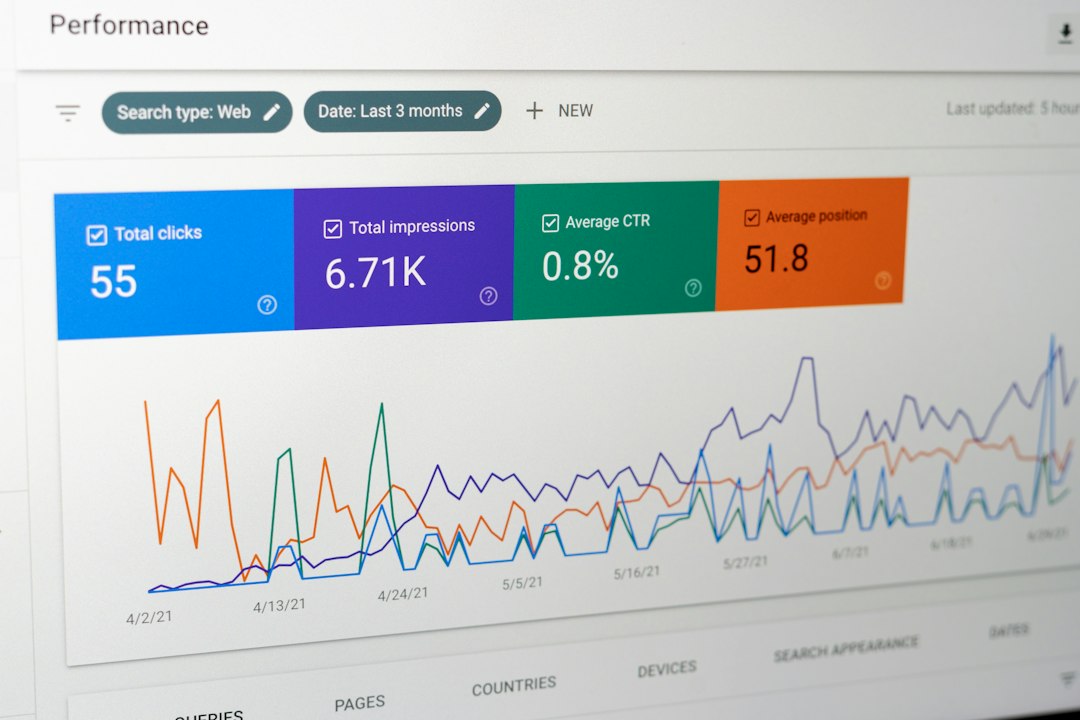
Semrush for organic share of voice
Semrush handles organic share of voice through its Position Tracking toolkit. You add a domain, choose competitors, enter a keyword set, then track rankings over time. From there, Semrush can show visibility, estimated traffic, average position, and share of voice style metrics across your selected keyword universe.
The big win is segmentation. You can split keywords by product line, funnel stage, location, tag, or device. That makes it easier to answer questions like:
- Are we gaining visibility for commercial keywords?
- Did mobile rankings drop in Chicago?
- Which competitor owns the most non branded search demand?
- Is our blog visibility growing, or only our product pages?
This is where Semrush feels built for reporting. Its charts are easy to read. Its competitor comparison views are clean. You can package the data into scheduled reports without much cleanup. For agencies, that saves real time.
Honestly, it feels like Semrush understands that someone will have to explain this chart to a client on Monday morning. The interface tends to make that less painful.
Ahrefs for organic share of voice
Ahrefs measures share of voice mainly in Rank Tracker. Once you add keywords and competitors, Ahrefs can estimate the percentage of available organic clicks your site receives from that tracked keyword set. This is a useful framing because it keeps the focus on traffic potential, not vanity rankings.
Ahrefs also shines outside the share of voice graph. You can jump into competing pages, backlink profiles, keyword difficulty, parent topics, ranking history, and content gaps. That makes Ahrefs strong when your share of voice drops and you need to find the reason fast.
Say your site drops from 31% to 26% share of voice across a high value keyword group. In Ahrefs, you can inspect the exact URLs that gained against you. You might find a rival earned links from three review sites, refreshed an old buying guide, and took featured snippet visibility. That is the kind of detail that turns a metric into an action plan.
The annoying bit is that Ahrefs reporting can feel less polished for non SEO audiences. You may spend extra time exporting, trimming columns, and turning research data into a simple story. Not a disaster. Just a bit of friction.
Semrush vs Ahrefs: main differences
| Category | Semrush | Ahrefs |
|---|---|---|
| Best use | Campaign tracking and client reporting | SEO research and competitor diagnosis |
| Share of voice setup | Strong in Position Tracking with tags and segments | Strong in Rank Tracker with click based visibility |
| Competitor analysis | Clear and presentation friendly | Deeper page, link, and keyword investigation |
| Reporting | Better for scheduled dashboards | Better for SEO teams that analyze raw findings |
| Ease for stakeholders | Usually easier | May need more explanation |
When Semrush is the better choice
Pick Semrush if your main job is to monitor visibility over time and communicate progress. It works well for agencies, in house marketing teams, ecommerce teams, and local SEO campaigns.
Semrush is especially useful when you need to track:
- Multiple locations, such as city level rankings.
- Mobile vs desktop performance.
- Keyword groups, such as branded, non branded, commercial, and informational terms.
- Client ready reports sent weekly or monthly.
Here is a simple example. An ecommerce brand tracks 600 keywords across running shoes, hiking shoes, and sandals. Semrush shows that total share of voice rose from 12.4% to 16.8% in one quarter. But the tag report shows hiking shoes rose by 9 percentage points, while sandals stayed flat. That tells the team where the SEO gains came from and where the next push should go.

When Ahrefs is the better choice
Pick Ahrefs if your team wants to study why rankings changed and what competitors are doing. Ahrefs is excellent for turning share of voice shifts into SEO tasks.
It is a strong fit when you need to answer:
- Which competitor pages are taking clicks from us?
- What backlinks helped them win?
- Which keywords share the same search intent?
- Which content gaps could raise our share of voice fastest?
Ahrefs is also useful for content teams. If a competitor owns 40% of the click opportunity across “best CRM software” terms, Ahrefs can help you see whether they win through review pages, comparison pages, templates, or high authority links. That gives writers and SEOs a clearer brief.
The biggest mistake: measuring the wrong keyword set
The tool matters, but the keyword set matters more. Bad inputs create bad share of voice data. If you track too many low intent blog keywords, your share of voice may look high while revenue stays flat. If you track only bottom funnel terms, you may miss early demand that competitors are quietly capturing.
A strong organic share of voice project should include:
- Branded keywords, but in their own segment.
- Non branded commercial keywords tied to products or services.
- Informational keywords that influence future buyers.
- Competitor comparison keywords, if buyers search that way.
- Local terms, if geography affects results.
Keep branded and non branded data separate. Branded terms can inflate your score and hide weak category visibility. A company may own 78% share of voice for branded terms but only 6% for non branded commercial terms. That second number is often the real SEO problem.
How to compare both tools fairly
If you test Semrush and Ahrefs side by side, use the same domain, competitors, country, device, keywords, and date range. Do not compare a broad Ahrefs keyword set with a tightly tagged Semrush campaign. That will only create noise.
Use this simple process:
- Choose 100 to 500 keywords that match business value.
- Add the same three to five competitors in both tools.
- Track rankings for at least 30 days.
- Separate branded and non branded terms.
- Compare trend direction, not just the exact percentage.
Expect the numbers to differ. Semrush and Ahrefs use their own keyword databases, volume estimates, and click models. A 22% share in one tool and a 19% share in another does not mean one is broken. What matters is whether the metric moves in the right direction and matches real traffic in Google Search Console.

Final verdict
Semrush is the stronger pick for measuring and reporting organic share of voice. Its tracking setup, tagging, location controls, and dashboard options make it easier to manage ongoing visibility reports. It is the better option for agencies, managers, and teams that need a clear recurring scorecard.
Ahrefs is the stronger pick for explaining organic share of voice changes. It gives SEO teams rich competitor, backlink, and content data that helps turn movement into decisions. If Semrush tells you the score, Ahrefs often helps explain the play.
The smartest setup is to use one tool as the official reporting source and stick with it. Switching between tools every month creates confusion. Choose Semrush if reporting clarity is your priority. Choose Ahrefs if research depth matters more. Either way, organic share of voice works best when it is tied to revenue focused keywords, clean competitor sets, and steady tracking over time.