Virtual reality (VR) is no longer confined to the realms of science fiction or high-end gaming enthusiasts’ homes. As the technology becomes increasingly accessible and immersive, it is finding firm footing in commercial spaces—particularly entertainment hubs like VR arcades. These arcades offer a dynamic and futuristic experience that draws in guests, immersing them in alternate realities that feel incredibly lifelike.
TLDR: The rise of VR arcades in commercial spaces has prompted a surge in the development of high-end, cutting-edge VR equipment. From full-body motion platforms to wireless headsets with haptic feedback, the latest gear is designed to enhance immersion and provide seamless play. Businesses investing in this next-gen equipment benefit from an interactive, high-throughput experience that attracts and retains customers. With the right setup, VR arcades are evolving into profitable experiential destinations.
The Rise of VR Arcades
As consumers seek more engaging and sensory-rich entertainment experiences, VR arcades have emerged as a top contender. These venues allow people to explore virtual worlds without the high entry cost of personal VR gear. For businesses, this presents a lucrative opportunity to create recurring revenue streams through interactive, multiplayer experiences that can’t be easily replicated at home.
What Makes VR Arcade Equipment “Cutting‑Edge”?
Modern VR arcade hardware is more than just a headset and controller. Today’s equipment includes:
- Omni-directional treadmills that allow full 360-degree movement.
- Haptic vests and gloves for tactile feedback.
- Wireless, high-resolution VR headsets with inside-out tracking.
- Multi-user motion platforms for collaborative gameplay.
- Augmented physical sets that blend the real and virtual world seamlessly.
All of these components contribute to a more natural and immersive experience—one that tricks not only the eyes but the entire body into believing it’s inside a different reality.
1. VR Treadmills: Moving Beyond the Couch
Unlike traditional gaming experiences that have players rooted in one spot, VR treadmills enable full movement in any direction. Devices like the KAT Walk C or the Virtuix Omni One support walking, running, crouching, and jumping in place—perfect for action-packed games or fitness apps.
Benefits for arcade operators include:
- High user engagement due to physical activity
- Reduced risk of motion sickness
- Compact footprint for 360-degree movement
These treadmills offer next-level immersion that enhances user satisfaction and encourages repeat visits.
2. Haptic Feedback Gear: Feel the Game
Providing a physical response to in-game encounters, haptic feedback vests and gloves give users the ability to “feel” what they see. Brands like bhaptics and Teslasuit have revolutionized VR experiences by integrating sensors and actuators that simulate touch, pressure, and even temperature.
Applications include:
- Taking laser tag-style experiences to the next level
- Training simulations for defense and emergency services
- Educational experiences enhanced with physical feedback
This gear makes virtual content more believable and keeps players engaged for longer periods—not to mention adding a whole new competitive layer to gameplay.
3. Next-Gen VR Headsets: Clarity Meets Mobility
While headsets were once tethered to PCs with thick cords, today’s best-in-class VR headsets offer wireless freedom with ultra-clear visuals. The Pico 4 Enterprise and HTC Vive Focus 3 are prime examples, offering high refresh rates, wide fields of view, and onboard processing power.
Key features to look for in a VR headset for arcade use:
- 4K resolution or higher for visual realism
- Frame rates of 90Hz or more to minimize motion sickness
- Wireless connectivity or minimal cabling
- Easy maintenance and sanitization options
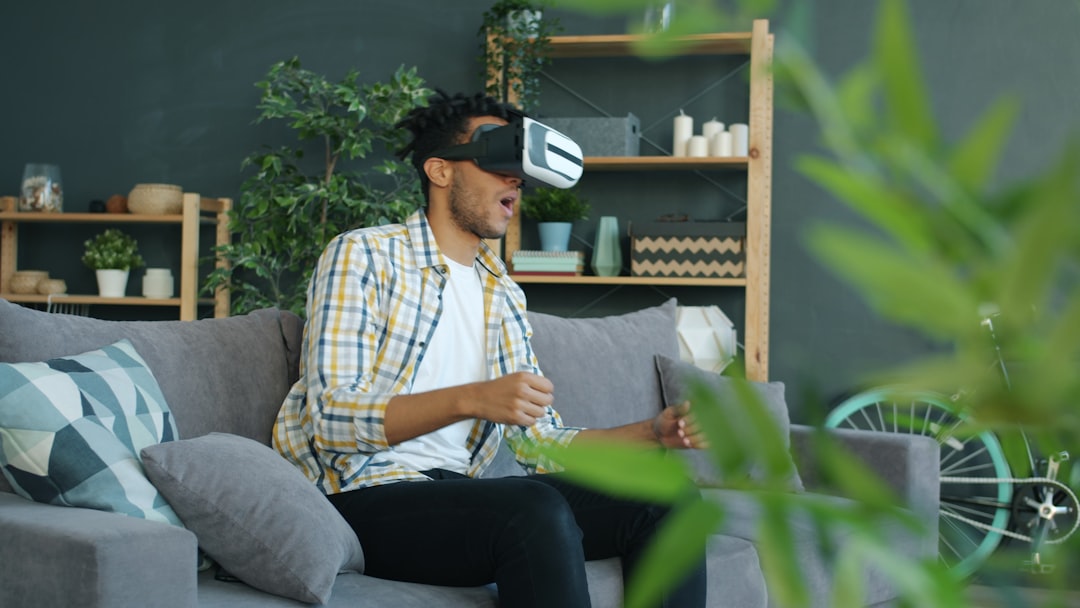
With more people becoming hygiene-conscious, the ease of cleaning these devices is vital. Some headsets come with swappable face pads or antimicrobial surfaces, making them ideal for high-traffic arcades.
4. Motion Platforms and Simulators
For racing, flight, or rollercoaster simulators, nothing beats a motion platform. These rigs feature hydraulic actuators and gyroscopes that simulate speed, tilt, and vibration—delivering a true-to-life experience.
Popular uses in VR arcades include:
- VR Racing games (e.g., Project CARS)
- Flight simulators
- Deep-sea exploration or outer space travel simulations
By syncing real-world motion with virtual visuals, motion platforms eliminate immersion-breaking delays and truly put the player in the driver’s seat (literally).
5. Environmental Immersion: Real Meets Virtual
Hybrid setups that fuse physical environments with VR content are becoming increasingly popular. For example, hyper-reality arenas use walls, doors, props, and even wind or scent machines to enhance the VR experience. Players can walk through actual rooms that match their digital environments, creating unmatched immersion.
Companies like “The VOID” and “Zero Latency” are pioneering this frontier, with high-end setups that make users forget where the real world ends and the virtual one begins.
Choosing the Right Equipment for Your Commercial Space
Not every VR setup is ideal for every venue. Before investing, commercial operators should weigh:
- Space requirements – Some gear needs a large footprint.
- Power usage – Motion simulators and lighting effects can be energy-intensive.
- Staffing needs – Certain systems require operators for safety or gameplay guidance.
- Target demographic – From teens to corporate clients, different gear attracts different users.
Partnering with vendors who offer modular systems can provide long-term flexibility as you expand or adapt your arcade business.
The Future of VR Arcades
Looking ahead, technologies like AI-driven NPCs, eye-tracking hardware, and sensory environmental simulation will continue pushing the limits of what VR can do. We’re also seeing developments in neural interfaces, where thoughts, not controllers, dictate player actions. Imagine walking into a VR arcade where the only boundary is your imagination.
As these emerging technologies mature, commercial VR arcades that stay ahead of the curve will offer richer, more immersive experiences that build loyalty and word-of-mouth buzz.
Conclusion: An Investment in Next-Gen Entertainment
Cutting-edge VR arcade equipment is more than a tech trend—it’s the core of a high-revenue entertainment business. The key lies in identifying your audience, aligning your space and budget with the right solutions, and creating an experience that’s as unforgettable as it is futuristic.
As tech continues to evolve, embracing VR means giving customers a gateway to other worlds—right in your commercial space.