Personal injury work can feel like juggling flaming bowling pins. Leads arrive fast. Medical bills pile up. Deadlines hide in the weeds. CASEpeer is built to make that chaos easier to manage. It is case management software made mainly for personal injury law firms.
TLDR: CASEpeer is a strong fit for plaintiff personal injury firms that want simple workflows, case tracking, reports, and team accountability in one place. It is not the cheapest option, and pricing is usually quote-based, so you must talk to sales. For example, a 10-person PI firm handling 250 open cases could use CASEpeer dashboards to spot stalled cases faster and improve follow-up rates by 15% to 25%. If you need deep customization, consider Filevine or Litify instead.
What Is CASEpeer?
CASEpeer is cloud-based case management software. It helps personal injury teams handle cases from intake to settlement.
Think of it as the firm’s command center. It keeps notes, tasks, deadlines, documents, contacts, and case status in one spot.
It is especially useful for firms that handle car accidents, slip and falls, workers’ compensation, mass torts, and other injury claims.
The big goal is simple: less hunting, more handling.

Who Is CASEpeer Best For?
CASEpeer works best for firms that focus heavily on personal injury. It is not a general “one size fits all” legal platform.
It may be a good match if your firm:
- Handles many injury cases at once.
- Needs strong intake tracking.
- Wants clear case stages.
- Has case managers, attorneys, and intake staff working together.
- Needs better reports on performance.
- Wants to reduce dropped leads and missed follow-ups.
It may be less ideal if your firm practices many areas of law. For example, if you handle family law, estate planning, criminal defense, and PI, a broader platform may fit better.
Main CASEpeer Features
CASEpeer focuses on the daily work of PI firms. Its features are practical. Not flashy. That is a good thing.
1. Intake Management
Intake is where money is won or lost. CASEpeer helps teams track new leads, calls, referral sources, and sign-up status.
You can see where a lead came from. You can track whether staff followed up. You can also spot weak marketing channels.
That means fewer leads vanish like socks in a dryer.
2. Case Status Tracking
Every case can be tracked by stage. For example:
- New lead
- Signed client
- Treatment
- Demand
- Negotiation
- Litigation
- Settlement
This helps everyone know what is happening. No mystery. No “I thought Bob had it.” Poor Bob.
3. Task and Deadline Management
CASEpeer lets teams assign tasks. It also helps track important dates.
This is key in PI work. Missed deadlines can damage cases. They can also damage your blood pressure.
4. Document and Note Storage
You can store case notes, documents, photos, bills, and related information. The goal is to keep the file clean and easy to review.
Good notes also help when a case changes hands. A new attorney or case manager can get up to speed faster.
5. Settlement Tracking
CASEpeer includes tools for tracking demands, offers, liens, fees, and settlements. This helps firms see case value and expected revenue.
For PI firms, this is a big deal. Cash flow matters. Settlement visibility matters too.
6. Reporting and Dashboards
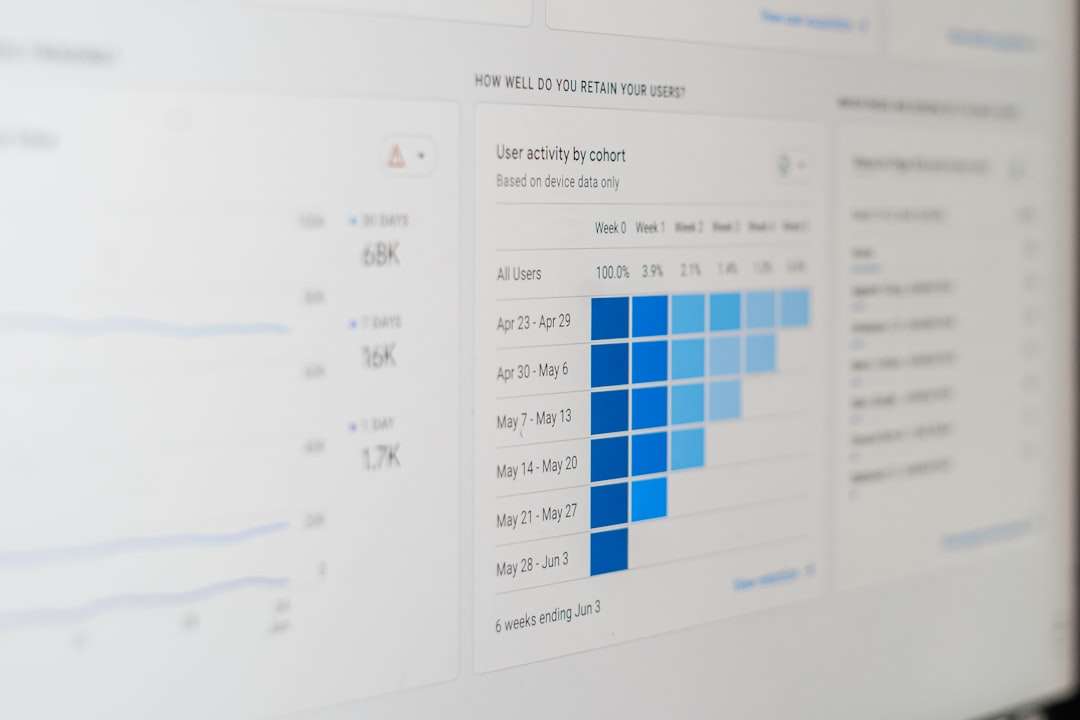
Reports are one of CASEpeer’s strongest areas. Managers can view case counts, staff performance, lead sources, and settlement activity.
A dashboard can answer important questions:
- How many cases are in treatment?
- Which staff member has too many tasks?
- Which marketing source brings signed clients?
- How many cases settled this month?
Numbers do not solve every problem. But they point to the smoke before the fire gets big.
CASEpeer Pricing
CASEpeer does not usually publish simple public pricing on its website. Pricing is typically quote-based. That means you contact the company, book a demo, and get a custom price.
Your cost may depend on:
- Number of users
- Firm size
- Features needed
- Integrations
- Training needs
- Contract terms
This can be annoying if you just want a quick number. But it is common in legal software, especially for PI-focused platforms.
Before you sign, ask direct questions:
- Is pricing per user or per firm?
- Is onboarding included?
- Are support fees extra?
- Are there limits on storage?
- Can we export our data easily?
- How long is the contract?
Also ask for a full quote in writing. Simple rule. If it costs money, get it in writing.
What Users Tend to Like
CASEpeer gets praise for being easy to use. This matters. Legal teams are busy. Nobody wants software that needs a wizard robe and three manuals.
Common positives include:
- Clean layout: Users can find case data quickly.
- PI focus: The workflow matches injury cases.
- Good visibility: Managers can see case progress.
- Useful reports: Firms can track production and revenue.
- Team accountability: Tasks make ownership clear.
What Users May Not Like
No platform is perfect. Even great software has quirks.
Possible drawbacks include:
- Quote-based pricing: It is hard to compare quickly.
- PI-specific design: Great for PI, less great for mixed firms.
- Customization limits: Some firms may want more flexibility.
- Learning curve: Staff still need training and buy-in.
- Migration work: Moving old data can take time.
The biggest issue is not always the software. It is adoption. If your team refuses to use it, even the best platform becomes an expensive digital paperweight.
CASEpeer Alternatives for Personal Injury Firms
CASEpeer is strong, but it is not your only option. Here are popular alternatives to compare.
1. Filevine
Best for: Firms that want power and customization.
Filevine is a major player in legal case management. It is flexible and can be shaped around complex workflows. Many PI firms use it.
The tradeoff is complexity. It can take more setup. It may also cost more. But for larger firms, the control can be worth it.
2. Litify
Best for: Large firms and enterprise teams.
Litify is built on Salesforce. That gives it serious power. It can handle intake, case management, referrals, reporting, and more.
It is not the simplest option. It is also not usually the cheapest. But for large PI firms with big systems, it can be a beast.
3. SmartAdvocate
Best for: PI firms that want detailed case tools.
SmartAdvocate is made for plaintiff law firms. It offers intake, documents, medical records, settlement tools, and automated workflows.
It can be very detailed. Some teams love that. Others may find it a bit much at first.

4. CloudLex
Best for: Cloud-based PI case management.
CloudLex is another platform made for personal injury firms. It includes matter management, intake, documents, and collaboration tools.
It is worth reviewing if you want a PI-specific platform and prefer cloud-first tools.
5. Clio
Best for: Small and mixed-practice firms.
Clio is one of the best-known legal practice management tools. It is clean, popular, and broad.
It is not built only for personal injury. That can be good or bad. If your firm handles several practice areas, Clio may fit better than CASEpeer.
6. MyCase
Best for: Smaller firms that want simple case and client tools.
MyCase offers case management, billing, client communication, and documents. It is easy to use and friendly for small firms.
For PI-heavy firms, it may not have the same injury-specific depth as CASEpeer. But it can be a solid all-around option.
How to Choose the Right Platform
Do not choose software because it has the prettiest demo. Demos are like first dates. Everyone is on their best behavior.
Use a checklist instead:
- Map your current intake process.
- List your biggest case bottlenecks.
- Ask staff what slows them down.
- Test reports before buying.
- Check integrations with phone, email, and accounting tools.
- Ask about migration support.
- Get pricing and contract terms in writing.
Also run a sample case during the demo. Use a real example, with names removed. See how the platform handles it from intake to settlement.
Final Verdict
CASEpeer is a strong personal injury case management platform. It is focused, practical, and built for PI workflows. It can help firms track leads, manage cases, improve follow-up, and understand performance.
Its biggest weakness is pricing transparency. You will need a demo and a quote. It may also be too narrow for firms that handle many types of law.
If your firm is serious about personal injury, CASEpeer deserves a close look. If you need deep customization, compare Filevine. If you are enterprise-level, review Litify. If you want a broader legal tool, try Clio or MyCase.
Pick the platform your team will actually use. That is the real magic. Not the logo. Not the sales pitch. The daily clicks.