In our fast-paced and increasingly stressful world, the need for calm and inner peace has never been more pressing. Meditation apps have become a go-to resource for millions seeking to manage stress, sleep better, and live more mindfully. Among the most popular contenders in this digital wellness space are Calm and Headspace. Both are leaders in the mindfulness industry, but which one should you choose?
TL;DR: Calm vs Headspace
Both Calm and Headspace are excellent meditation apps that cater to slightly different needs. Calm shines with its relaxing audio content, bedtime stories, and ambient music, making it ideal for stress relief and sleep support. Headspace, on the other hand, excels at structured meditation courses and educational content that’s great for beginners and those looking to deepen their practice. Ultimately, your choice depends on your personal goals and preferences.
Introduction to Calm and Headspace
Before diving into the comparison, let’s take a brief look at each app:
- Calm: Launched in 2012, Calm is known for its beautiful interface, soothing audio content, and focus on sleep and relaxation. Its goal is to make the world a healthier and happier place through guided meditations, sleep stories, breathing programs, and relaxing music.
- Headspace: Founded in 2010 by a former monk, Headspace began as an events company and soon evolved into one of the biggest names in mindfulness. It boasts an engaging, educational tone with a structured and scientific approach to meditation and mental wellness.
Content and User Interface
While both apps aim to reduce stress and improve mental health, they differ significantly in content style and user experience.
Calm
Calm’s interface is visually stunning, featuring tranquil nature backgrounds and soundscapes. Content is categorized mainly into:
- Sleep Stories: Narrated by celebrities and voice artists, these soothing tales are a favorite for users with insomnia.
- Soundscapes and Music: Curated tracks help to calm the mind, enhance focus, or create peaceful sleep vibes.
- Guided Meditations: Sessions range from 3 to 30 minutes, targeting everything from anxiety to mindful eating.
Headspace
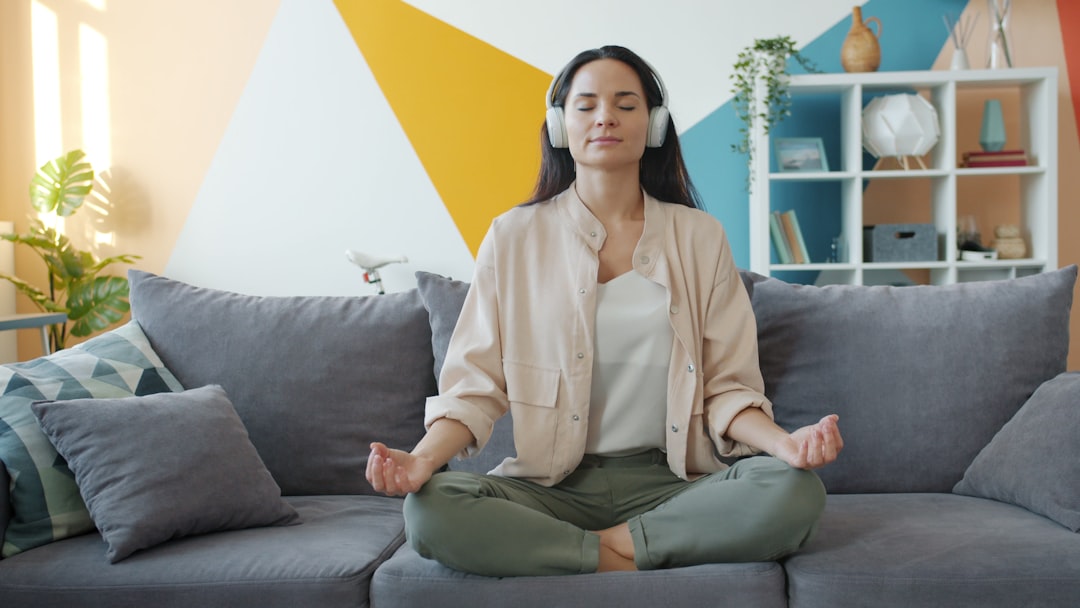
Headspace has a minimalist, cartoonish interface that’s both playful and instructional. It stands out for its structured and educational content:
- Courses: Multi-day meditation series that build on each another, such as “Managing Anxiety” or “Basics of Meditation.”
- Animations: Short visual explanations that make mindfulness concepts easy to understand.
- Daily Meditations: A fresh “Daily Headspace” is provided every day, plus themed sessions for work, relationships, and more.
Sleep Support
If sleep is your main focus, Calm may take the lead here. While both apps offer sleep-focused features, Calm has carved out a niche in helping people unwind before bed.
Calm’s Sleep Features:
- Extensive library of Sleep Stories, narrated by big names like Matthew McConaughey and Idris Elba.
- Sleep music and ambient sounds tailored for relaxation.
- Sleep meditations designed for dozing off easily.
Headspace’s Sleep Tools:
- “Sleepcasts” – 45-minute audio stories paired with ambient noise.
- A growing library of “wind-down” guided sessions and music.
- Sleep meditations and mindful pre-sleep routines.
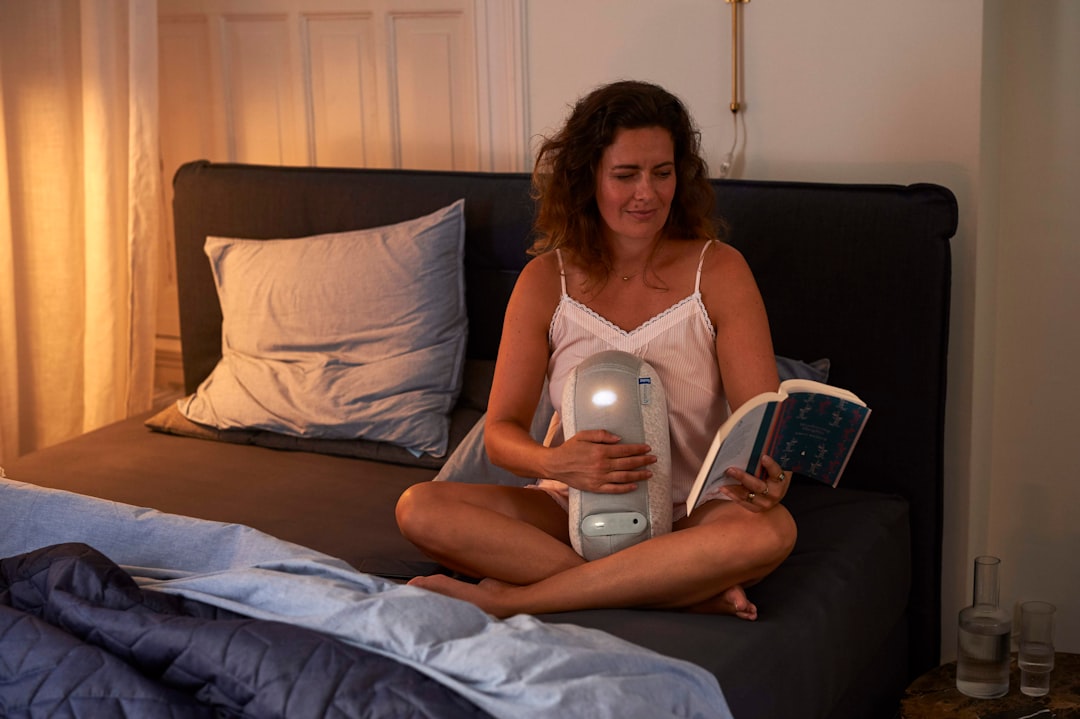
While Headspace is bolstering its sleep offerings, Calm still offers a more extensive and polished experience in this department.
Meditation and Mindfulness Education
If you’re new to meditation or keen to learn the science behind it, Headspace is your go-to option.
Why Headspace Wins Here:
- Guided learning paths that explain not just how, but why meditation works.
- Courses developed with health professionals and psychologists.
- Animations and videos that simplify core mindfulness concepts effectively.
Calm also offers meditation instruction but tends to focus more on the experience rather than structured learning. If you thrive on frameworks and progressive lessons, you’ll likely prefer Headspace’s approach.
Special Features and Extras
Both apps now offer a growing number of special features, including workouts, focus music, and even content for children.
Calm Extras:
- Calm Body: Short stretching and relaxation routines.
- Celebrity Collaborations: Music and readings from artists like LeBron James and Shawn Mendes.
- Nature Scenes: Beautiful visuals for background ambience.
Headspace Extras:
- Move Mode: Personalized, mindful workouts led by trainers.
- Focus Music: Produced in partnership with artists like John Legend.
- Headspace for Kids: Mindfulness sessions tailored to different age groups.
Both apps offer cross-platform usage, integrations with smart devices, and offline access — making them convenient no matter where or how you choose to meditate.
Price and Subscription Model
Both Calm and Headspace offer free trials and subscription models. Here’s a quick look:
| Feature | Calm | Headspace |
|---|---|---|
| Free Trial | 7 Days | 7-14 Days (depending on promotion) |
| Annual Price | $69.99 | $69.99 |
| Monthly Option | Rarely offered | $12.99/month |
| Lifetime Access | $399.99 | Not available |
It’s worth noting that both apps frequently run promotions and discounts, especially around New Year’s or Mental Health Awareness Month.
Best Use Cases: Calm vs Headspace
Choose Calm if you:
- Struggle with falling asleep or staying asleep.
- Enjoy relaxing ambient audio and celebrity-narrated stories.
- Prefer a more intuitive and sensory-guided experience with less structure.
Choose Headspace if you:
- Are new to meditation and want step-by-step guidance.
- Appreciate educational content and a more scientific approach.
- Want meditation to become an organized part of your daily routine.
Conclusion
Ultimately, the choice between Calm and Headspace comes down to your personal mindfulness goals. If you’re looking to relax, calm your mind before sleep, and enjoy a smoother user experience, Calm is tough to beat. On the other hand, if you’re looking for an educational and structured introduction to meditation with the help of expert guidance, Headspace might be your perfect match.
Whichever app you choose, consistent practice is key. Meditation, like any habit, grows more beneficial over time — and both Calm and Headspace are well-equipped to help you along the journey.
Still undecided? Try the free trials of both apps to explore their features and see which one speaks to you.