Choosing between BrightEdge and Ahrefs is not simply a question of which SEO tool has more features. For enterprise teams, the decision usually depends on governance, reporting requirements, content workflows, backlink intelligence, and how SEO data must be shared across marketing, product, and executive stakeholders.
TLDR: BrightEdge is generally better suited for large organizations that need enterprise workflows, executive reporting, content recommendations, and managed support. Ahrefs is stronger for backlink analysis, keyword research, competitive intelligence, and fast tactical SEO investigation. For example, a global retailer tracking 50,000 keywords across 12 markets may benefit from BrightEdge’s governance and reporting structure, while a SaaS company trying to recover from a 22% traffic drop may use Ahrefs more effectively to isolate lost backlinks, declining pages, and competitor gains.
Platform positioning: enterprise system vs SEO intelligence suite
BrightEdge is designed as an enterprise SEO and content performance platform. Its value is strongest when SEO is treated as a cross-functional discipline involving content teams, digital marketing leaders, analytics teams, and executives. The platform emphasizes visibility tracking, performance dashboards, recommendations, workflow support, forecasting, and integration into broader marketing operations.
Ahrefs, by contrast, is best known for its data depth and speed. It is widely respected for backlink analysis, keyword research, content gap research, competitor monitoring, and technical audits. While Ahrefs does offer enterprise plans and features for larger organizations, its core strength remains hands-on SEO analysis rather than enterprise-wide program management.
In practical terms, BrightEdge often answers the question: “How do we operationalize SEO across a large organization?” Ahrefs often answers: “What exactly is happening in the search results, and how can we react?”
Keyword research and rank tracking
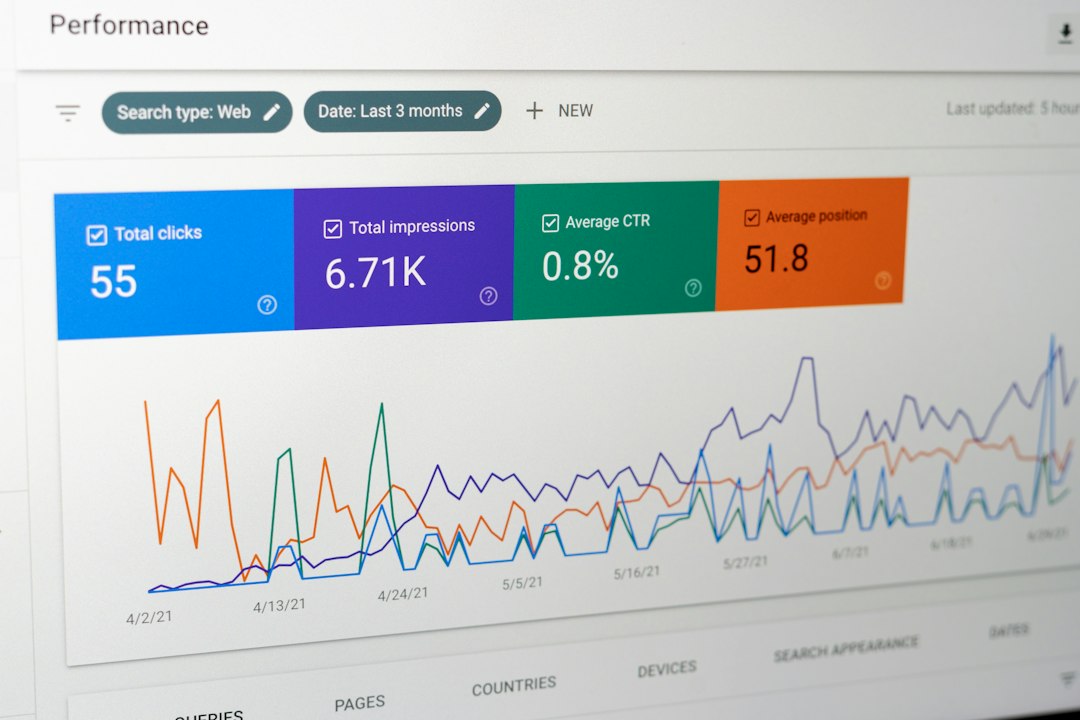
Both platforms support keyword research and ranking visibility, but they approach the work differently. BrightEdge focuses on structured keyword portfolios, market-level visibility, share of voice, and enterprise reporting. This is useful when a business needs to track thousands or tens of thousands of terms across product lines, countries, devices, and business units.
BrightEdge’s keyword data is commonly used to connect organic visibility to business goals. For example, an ecommerce company may group keywords by category, brand, margin profile, and region, then report on whether organic visibility is improving in commercially important segments. This makes BrightEdge especially useful for senior reporting and long-term SEO governance.
Ahrefs is more flexible and exploratory. Its Keywords Explorer allows teams to evaluate search volume, keyword difficulty, click potential, parent topics, SERP features, and competitor presence. For SEO managers, content strategists, and analysts, this makes Ahrefs highly efficient for discovering opportunities and validating content ideas.
The distinction is important: BrightEdge excels at managing keyword performance at scale, while Ahrefs excels at researching, investigating, and prioritizing keyword opportunities quickly.
Backlink analysis and competitive intelligence
Ahrefs has a clear advantage in backlink analysis. Its backlink index, link intersect reports, referring domain analysis, anchor text data, and historical link tracking are among the strongest reasons organizations adopt the platform. For teams focused on digital PR, authority building, competitor link profiling, or link risk investigation, Ahrefs is often the more practical choice.
BrightEdge does provide competitive visibility features, but it is not typically selected primarily as a backlink research platform. Its competitive intelligence is more integrated into broader performance reporting, such as visibility trends, page performance, content opportunities, and share-of-voice analysis.
For example, if a company wants to know why a competitor has overtaken it for high-value software comparison keywords, Ahrefs can quickly reveal whether the competitor gained strong editorial links, expanded topical coverage, or improved specific ranking pages. BrightEdge can help contextualize that change in reporting and planning, but Ahrefs may uncover the tactical cause faster.
Technical SEO and site auditing
Both tools offer site auditing capabilities, but neither replaces a fully specialized technical SEO crawler in every enterprise scenario. Ahrefs Site Audit is accessible, visual, and effective for identifying common issues such as broken links, redirect chains, missing metadata, slow pages, indexability problems, and internal linking weaknesses.
BrightEdge includes technical and content diagnostics as part of its broader SEO platform. Its benefit lies in connecting issues to organic performance and workflow priorities. Enterprise teams may appreciate the ability to associate technical findings with business impact, ownership, and reporting cycles.
For organizations with complex websites, such as publishers, marketplaces, or international ecommerce platforms, the best setup may involve using BrightEdge or Ahrefs alongside a dedicated crawler and log file analysis solution. The decision should be based on workflow needs rather than the checklist of audit features alone.
Content strategy and recommendations
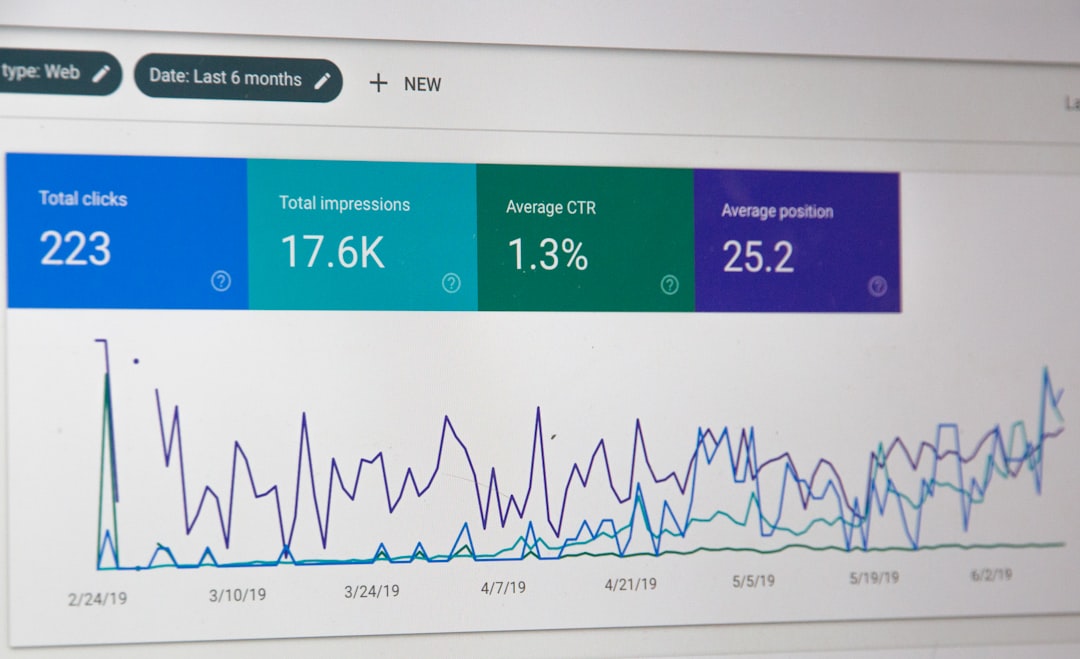
BrightEdge has a strong enterprise content orientation. Its content recommendations, opportunity discovery, page-level insights, and performance dashboards help teams align content production with measurable search demand. This is particularly valuable for organizations where SEO must influence editorial calendars, product content, landing pages, and localization workflows.
Ahrefs also supports content strategy effectively, especially through Content Explorer, competitor page analysis, keyword gap tools, and SERP research. A content team can use Ahrefs to identify high-performing competitor articles, estimate traffic potential, analyze backlinks to successful pages, and discover underserved topics.
The difference is that Ahrefs is often more analyst-driven, while BrightEdge is more process-driven. A lean SEO team may prefer Ahrefs because it enables rapid research and execution. A large organization with many stakeholders may prefer BrightEdge because it supports standardization, visibility, and accountability.
Reporting, dashboards, and executive communication
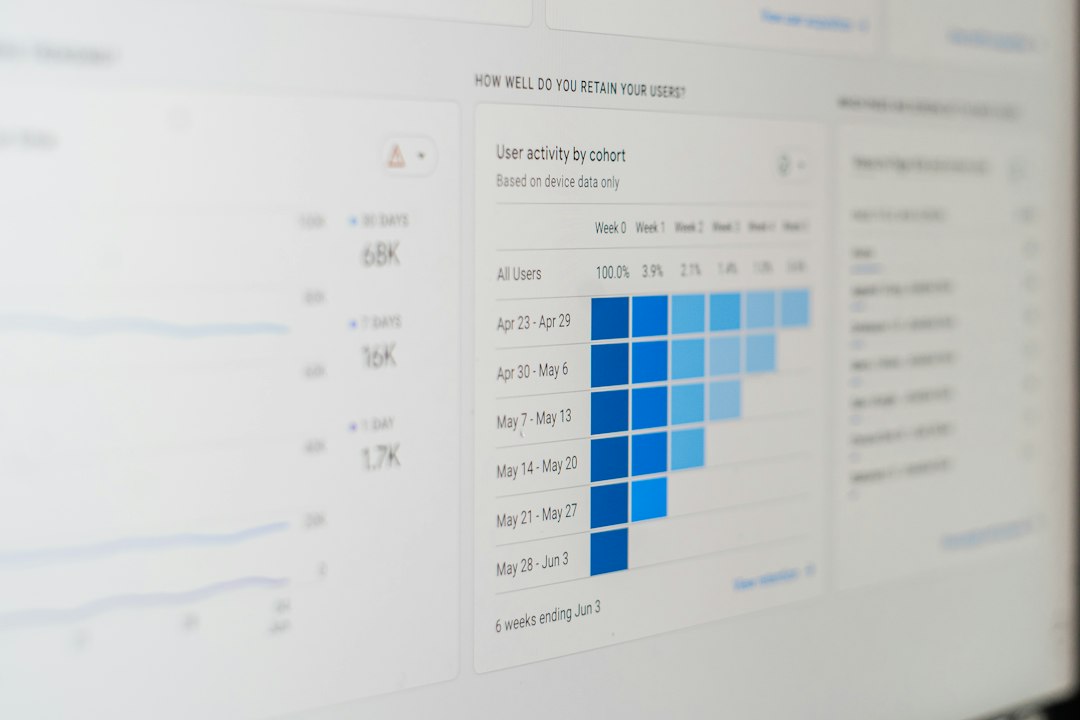
This is one of the areas where BrightEdge is most differentiated. Enterprise SEO programs often fail not because teams lack data, but because data is not translated into decisions. BrightEdge is built to provide structured dashboards, performance narratives, business-unit reporting, and visibility into progress over time.
Executives rarely need to see every backlink or keyword variation. They need to understand whether organic search is increasing market share, supporting revenue goals, reducing paid search dependency, and improving brand visibility. BrightEdge is better positioned for this type of communication.
Ahrefs reporting is useful, but it is more tactical. It works well for SEO teams, agencies, and analysts who need clear exports, audits, ranking reports, and competitive snapshots. However, organizations requiring extensive executive dashboards, permissioning, and repeatable enterprise reporting may find BrightEdge more aligned with internal expectations.
Ease of use and team adoption
Ahrefs is generally easier for individual practitioners to adopt. Its interface is direct, fast, and familiar to many SEO professionals. A new SEO analyst can usually begin finding useful insights within hours, particularly for keyword research, backlink checks, and site audits.
BrightEdge may require more onboarding because it is designed around enterprise configuration. Keyword groups, dashboards, business units, reporting views, and workflow processes need careful setup. However, once implemented correctly, this structure can improve consistency across large teams.
In a small or mid-sized organization, Ahrefs may feel more efficient. In a global enterprise with multiple departments, BrightEdge’s additional structure can become an advantage rather than an obstacle.
Pricing and procurement considerations
Pricing is another major difference. BrightEdge is typically sold through custom enterprise contracts, with pricing based on scale, needs, modules, and support requirements. It often involves procurement, onboarding, training, and account management.
Ahrefs has more transparent subscription tiers, including options suitable for advanced teams and enterprises. Costs can still rise depending on usage limits, seats, projects, credits, and data needs, but the buying process is usually simpler than a full enterprise software procurement cycle.
For budget holders, the key question is not only license cost. It is whether the platform reduces manual reporting, improves decision-making, accelerates growth, or prevents missed opportunities. A lower-cost tool can become expensive if teams must manually rebuild reporting every month. Conversely, a high-end enterprise platform may be excessive if the team primarily needs research and audits.
Best-fit scenarios
- Choose BrightEdge if: you need enterprise SEO governance, executive dashboards, large-scale keyword tracking, content workflow alignment, and managed support.
- Choose Ahrefs if: you need strong backlink intelligence, competitor research, keyword discovery, content gap analysis, and fast tactical SEO diagnostics.
- Consider using both if: BrightEdge supports enterprise reporting and planning, while Ahrefs supports deep research, link analysis, and day-to-day investigation.
Final verdict
BrightEdge vs Ahrefs is not a simple winner-takes-all comparison. BrightEdge is the stronger choice for enterprises that need a formal SEO operating system, especially where reporting, governance, and cross-team coordination matter. Ahrefs is the stronger choice for practitioners who need powerful SEO intelligence, especially for backlinks, keywords, and competitive analysis.
For a mature enterprise SEO program, the best answer may depend on team structure. If leadership needs consistent reporting across regions and business units, BrightEdge is likely the better strategic platform. If the SEO team needs to move quickly, investigate ranking changes, and find opportunities with minimal friction, Ahrefs is difficult to beat.
The most reliable decision comes from mapping platform capabilities to actual workflows. Before buying either tool, define who will use it, what decisions it must support, which reports are mandatory, and how success will be measured. The right platform is the one that turns SEO data into repeatable business outcomes.