Buying backlinks can look like a shortcut to stronger rankings, but it is also one of the easiest ways to waste budget or create long-term SEO risk. A good backlink placement should come from a real, relevant, well-maintained website with genuine visibility and a natural editorial environment. Before paying for a link, your job is not simply to check a domain authority score; it is to evaluate whether the site can realistically send trust, relevance, and qualified referral value to your brand.
TLDR: Evaluate backlink building sites by checking traffic quality, topical relevance, backlink profile, content standards, outbound link behavior, and indexing health. For example, a site with DR 55 but only 300 monthly organic visits may be less valuable than a DR 35 site with 12,000 relevant monthly visitors and consistent rankings. In one realistic case, a SaaS company reduced link waste by 40% after rejecting sites where more than 30% of recent posts contained obvious paid links. Pay for placements only when the website looks legitimate to both users and search engines.
Start With Relevance, Not Metrics
The first question is simple: Does this website make sense for your business? A backlink from a topically relevant site is usually more valuable than a stronger-looking link from an unrelated domain. If you sell accounting software, a link from a finance blog, small business publication, or tax advisory resource is much more credible than one from a general lifestyle site publishing random content about travel, pets, crypto, and marketing.
Look beyond the homepage. Review the site’s main categories, recent articles, author expertise, and audience intent. If the site regularly publishes content that your target customers might actually read, that is a positive signal. If your link would feel forced or out of place, it is probably not worth buying.
Check Organic Traffic Carefully
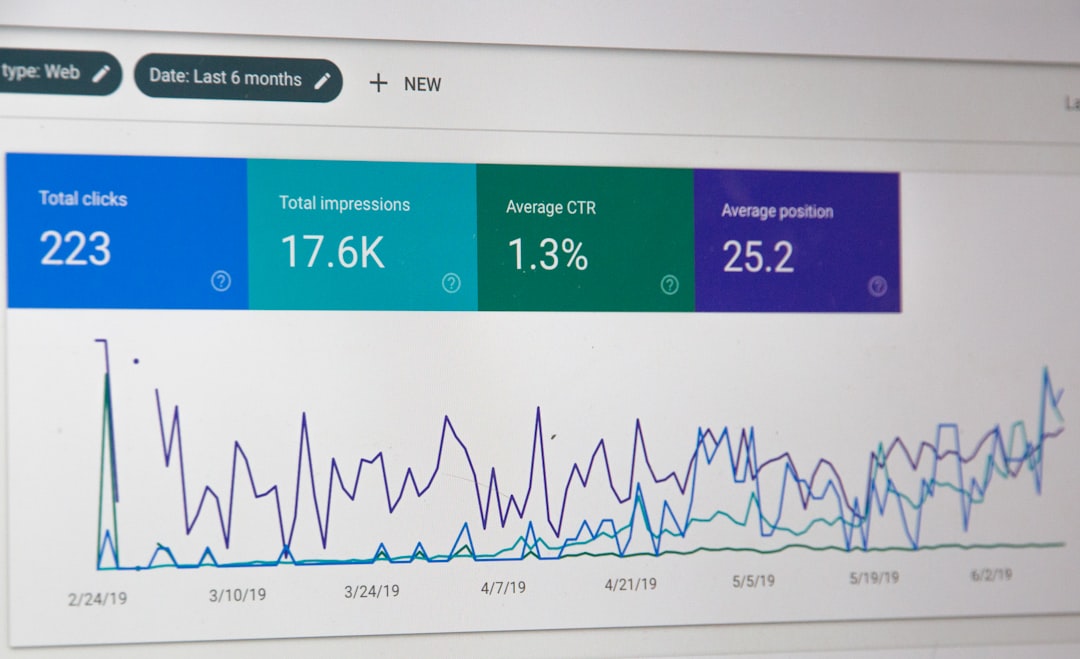
Traffic is one of the strongest indicators that a website has some level of search visibility, but it must be interpreted carefully. Use reputable SEO tools to estimate organic traffic trends over time. A site with steady or growing traffic is usually safer than one with a sharp decline, even if both have similar authority scores.
Pay attention to:
- Traffic trend: Is the site growing, stable, or declining sharply?
- Traffic sources: Does most visibility come from real informational or commercial keywords?
- Geographic relevance: Is the traffic coming from countries that matter to your business?
- Keyword quality: Does the site rank for meaningful terms, or mostly irrelevant long-tail phrases?
A site receiving 20,000 monthly visits from irrelevant countries or low-quality keywords may not help a local or niche business. Conversely, a smaller website with 3,000 highly relevant monthly visits can be a strong backlink opportunity if its audience overlaps with yours.
Review the Backlink Profile of the Site
Before buying a link from any domain, investigate who is linking to that domain. A site built on spammy backlinks may pass very little value and could expose you to unnecessary risk. Look for natural links from industry publications, blogs, resource pages, associations, or reputable businesses.
Warning signs include:
- Thousands of backlinks from unrelated foreign sites
- Large numbers of exact-match anchor texts pointing to commercial pages
- Links from obvious private blog networks or expired domains
- Sudden backlink spikes without a clear reason
- A backlink profile dominated by low-quality directories or comment spam
Do not rely on one metric such as Domain Rating, Domain Authority, or Trust Flow. These can be useful as rough indicators, but they are not guarantees of quality. A serious evaluation combines metrics with manual review.
Analyze Outbound Links
One of the most important checks is how the website links out to others. A legitimate editorial site usually links to useful sources naturally. A link-selling site often has a pattern: many posts linking to casinos, CBD, loans, essay writing, crypto, adult content, or unrelated commercial pages.
Open 10 to 20 recent articles and inspect the outbound links. Ask yourself whether each link makes editorial sense. If every article includes several keyword-rich links to unrelated businesses, the site is likely selling links at scale. That does not automatically mean it is worthless, but it greatly increases risk.
Also check whether links are marked appropriately. Search engines expect paid links to use attributes such as rel=”sponsored” or rel=”nofollow”. Many buyers want followed links for ranking purposes, but ignoring search engine guidelines can create risk. A sustainable SEO strategy should consider both performance and compliance.
Evaluate Content Quality and Editorial Standards
High-quality websites usually have consistent editorial standards. Articles should be useful, readable, factually sound, and written for a clear audience. Poor grammar, generic introductions, repeated stock phrases, and shallow 500-word posts are signs that the site may exist mainly to sell placements.
Look for these positive signals:
- Named authors with bios or topic expertise
- Original insights, examples, data, or interviews
- Clear publishing standards and consistent formatting
- Internal linking that helps users navigate related topics
- Updated content rather than abandoned articles from years ago
If the site accepts clearly promotional guest posts with no editing, it may not be a strong long-term asset. A good placement should look like it belongs in the publication, not like an advertisement inserted into weak content.

Confirm Indexing and Search Health
A backlink has limited value if the page is not indexed. Before purchase, check whether the domain’s existing articles are indexed in search results. You can use search operators such as site:example.com to get a general sense of how much content is visible, although this method is not perfect.
You should also review whether recent posts are being indexed within a reasonable timeframe. If many new articles never appear in search, the domain may have quality issues. A site may have impressive-looking metrics, but if search engines are not indexing its pages properly, the placement may deliver little or no SEO value.
Look for Real Audience Signals
Backlinks should not be evaluated only through SEO tools. Real websites usually show signs of real users. These may include comments, newsletter promotions, social engagement, returning authors, active social profiles, or brand mentions across the web.
Be cautious, however, because engagement can be faked. A blog with thousands of social shares but no visible community or brand recognition deserves deeper inspection. The best signal is consistency: a recognizable publication, active content calendar, relevant audience, and visible reputation in its niche.
Assess Placement Conditions Before Paying
Even if the website looks good, the terms of the placement matter. Clarify where the link will appear, whether it will be permanent, whether it can be edited later, and if the article will remain indexed. Ask whether the content is written by their team or yours, and whether you can approve the final draft before publication.
Important questions include:
- Will the link be placed in a new article or an existing page?
- Will the page be internally linked from relevant sections of the site?
- Will the link be dofollow, nofollow, or sponsored?
- Can the publisher remove or change the link without notice?
- Is there a refund or replacement policy if the page is not indexed?
A reputable publisher or outreach partner should provide clear answers. Vague promises such as “high DA guaranteed ranking boost” should be treated with skepticism.
Identify Red Flags Before You Commit
Some warning signs are serious enough to reject a site immediately. These include hidden ownership, no real contact information, copied content, irrelevant categories, excessive outbound links, and traffic that collapsed after a known search update. Also avoid domains that appear to have been repurposed from unrelated expired websites.

Another red flag is a public “write for us” page that openly promotes paid dofollow links. While guest contribution pages are not automatically bad, sites that aggressively advertise link sales are more likely to be reviewed, reported, or devalued. If a website appears on dozens of cheap link vendor lists, proceed very carefully.
Create a Simple Scoring System
To make decisions more consistent, create a scoring checklist. For example, rate each site from 1 to 5 in the following areas:
- Topical relevance
- Organic traffic quality
- Backlink profile strength
- Content and editorial quality
- Outbound link cleanliness
- Indexing reliability
- Audience credibility
If a site scores poorly in relevance, outbound link quality, or indexing, reject it even if its authority metric looks attractive. This approach helps prevent emotional decisions based on a single impressive number.
Final Thoughts
Evaluating backlink building sites before buying links requires patience and discipline. The best opportunities are not always the highest-metric domains; they are the websites that are relevant, trusted, visible, and editorially credible. Treat every paid link as an investment that carries both potential value and risk.
A serious backlink strategy should support your broader brand reputation, not undermine it. If a website would make sense as a referral source even without SEO value, it is more likely to be a worthwhile placement. When in doubt, choose fewer, better links from credible sites rather than many cheap links from questionable domains.