Running a restaurant is already a circus. One minute you are fixing the fryer. Next, you are answering a customer who saw an old menu online and wants the 2019 taco special. That is where menu management tools like SinglePlatform try to help.
TLDR: SinglePlatform helps restaurants publish menu and business info across many online sites from one place. It is best for restaurants that want fewer wrong menus floating around the web. For example, if a café changes 30 prices before a holiday weekend, SinglePlatform can help push those updates to many listings instead of editing each one by hand. It is useful, but some restaurants may prefer newer tools with stronger design, ordering, or website features.
What is SinglePlatform?
SinglePlatform is a menu and listing management service for local businesses. Restaurants use it to update menus, photos, hours, contact details, and other key info online.
The main idea is simple. You change your menu once. Then SinglePlatform helps share that update with multiple sites where hungry people search for food.
Think of it like a restaurant megaphone. You whisper, “We now serve spicy shrimp ramen.” It shouts that news across the internet.
This can save time. It can also reduce customer confusion. Nobody wants to explain why the online menu says the burger is $12 when the real price is $16.
Who is SinglePlatform for?
SinglePlatform is mainly for restaurants, cafés, bars, bakeries, and other local food businesses. It may also help spas, salons, and similar local shops. But its best-known use is restaurant menu management.
It is a good fit if you:
- Change your menu often.
- Have different lunch and dinner menus.
- Want online menus to look more consistent.
- Do not want to update many sites one by one.
- Care about local search visibility.
It may not be the best fit if you only need a pretty PDF menu on your website. It may also feel limited if you want full online ordering, loyalty tools, and deep marketing automation in one system.
Key menu management features
SinglePlatform focuses on practical tasks. It is not trying to be a flashy restaurant website builder. It is more like the organized manager with a clipboard.
1. Central menu updates
This is the big feature. You can manage menu items, descriptions, prices, and categories in one dashboard.
So if your chicken sandwich goes from $13 to $15, you do not need to hunt down every old version online. You update it once. Then SinglePlatform helps distribute the change.
This matters because customers trust menus. A wrong price can cause awkward moments. A missing allergen note can be worse.
2. Menu publishing across online networks
SinglePlatform is designed to send restaurant information to partner sites and online directories. These may include search engines, review platforms, maps, and local discovery sites.
The exact network can change over time. So restaurants should always ask which publishers are included before signing up.
Still, the goal is clear. Your menu should appear where people are already looking.
3. Business listing management
Menus are not the only thing customers check. They also look for hours, phone numbers, addresses, photos, and links.
SinglePlatform helps manage that core business information too. This can be helpful during holidays. It is also great when locations move, change numbers, or add delivery options.
4. Photos and rich content
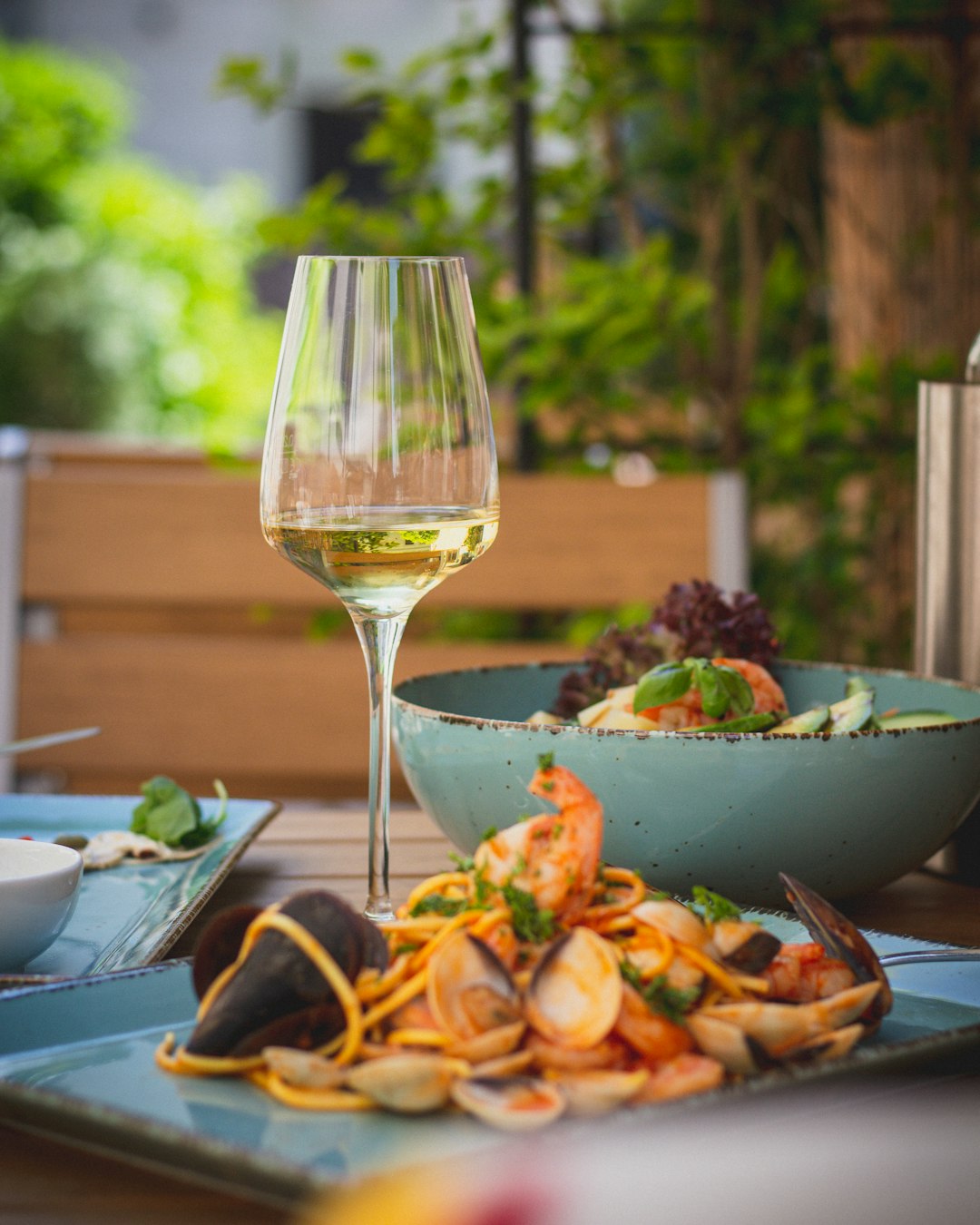
A menu without photos can feel lonely. SinglePlatform lets restaurants add photos and richer menu content. This makes listings more useful and more tempting.
Good food photos can do real work. A bright image of loaded nachos can turn a “maybe” into a “we are going there now.”
5. Support for multiple locations
SinglePlatform can be useful for restaurant groups with more than one location. Each location may have different hours, prices, or specials.
This is where a central tool becomes powerful. A five-location pizza shop does not want five different menu disasters. One dashboard can keep things cleaner.
What is SinglePlatform good at?
SinglePlatform is good at solving a very specific problem. It helps restaurants stop old menus from spreading like crumbs under a booth.
Here are the biggest benefits:
- Less manual work: Update once instead of many times.
- Better consistency: Keep menu details, hours, and contact info aligned.
- Fewer customer complaints: Reduce wrong prices and missing items.
- Local discovery help: Improve how your restaurant appears online.
- Useful for teams: Owners, managers, and marketers can work from one place.
For restaurants with frequent menu updates, this can be a big deal. A seasonal bistro might change 20% of its menu every month. Doing that by hand across many platforms is not fun. It is also easy to miss something.
Where SinglePlatform may fall short
No tool is perfect. Not even the one that promises to tame your menu monster.
Some restaurants may find SinglePlatform too narrow. It is strong for menu distribution and listings. But it may not replace a modern restaurant tech stack.
Possible drawbacks include:
- Limited website design control: It is not mainly a website builder.
- Pricing may not be obvious: You may need to contact sales.
- Publisher coverage can vary: Always confirm current partners.
- Not a full ordering system: You may need another tool for direct online orders.
- Less exciting for brand building: It is more functional than fancy.
If your main goal is a beautiful digital menu with QR codes, upsells, email capture, and online ordering, you may want a different platform.
SinglePlatform alternatives
There are many tools that help restaurants manage menus. Some are simple. Some are powerful. Some are packed like a brunch buffet.
1. Popmenu
Popmenu is a strong option for restaurants that want menu management plus marketing tools. It offers interactive menus, online ordering, review tools, email marketing, and website features.
It is a good choice if you want your menu to do more than sit there. Popmenu can help turn menu views into orders and customer engagement.
2. BentoBox
BentoBox is popular with restaurants that care about brand and design. It offers restaurant websites, menus, online ordering, catering tools, events, and gift cards.
It is a better fit for restaurants that want a polished online experience. Think fine dining, trendy cafés, or growing restaurant groups.
3. MustHaveMenus
MustHaveMenus is great for creating attractive menus fast. It offers templates for print menus, digital menus, QR code menus, flyers, and social posts.
It is simple and friendly. It is a strong pick if you want design help more than directory distribution.
4. Yext
Yext is a broader listings and local SEO platform. It manages business information across many online directories and search platforms.
It can work well for multi-location brands. But it may feel more complex than a restaurant-only menu tool.
5. Sociavore
Sociavore focuses on restaurant websites, online ordering, reservations, and digital menus. It can be a good fit for small and mid-sized restaurants that want a clean web presence.
It is less about blasting menu data across the internet. It is more about owning your main digital home.
How to choose the right tool
Start with your biggest pain point. Do not buy a spaceship if you only need a scooter.
- If your online menus are often wrong, try SinglePlatform.
- If you need a better restaurant website, look at BentoBox or Sociavore.
- If you want marketing and ordering, check Popmenu.
- If you need beautiful printed and QR menus, try MustHaveMenus.
- If you have many locations and care about local SEO, review Yext.
Also check support. Restaurant life moves fast. If your Friday night menu update breaks, you need help before the dinner rush.
Final verdict
SinglePlatform is a useful tool for restaurants that want cleaner menu information across the web. It is practical. It is focused. It can save time and reduce customer confusion.
Its best feature is central menu management. Its biggest weakness is that it may not offer everything a modern restaurant wants in one place.
So, is SinglePlatform worth it? Yes, if accurate online menus are your main headache. But if you want stunning design, direct ordering, loyalty tools, or deeper marketing, compare alternatives first.
Your menu is not just a list of food. It is a sales tool. It is a promise. And sometimes, it is the reason someone chooses your tacos over the place down the street.