Your website is live. The logo looks sharp. The homepage loads. You press publish and wait for Google to notice you. Then a question pops up like a meerkat: “Do I need to register my website with search engines?” In 2026, the answer is simple. Usually, no. But sometimes, yes.
TLDR: Search engine registration is not the magic ticket it used to be. Google, Bing, and other search engines usually find websites by following links and reading sitemaps. For example, a new bakery website with 12 pages may be found in a few days if another local site links to it, but manual submission can help it appear faster. Think of registration as ringing the doorbell, not building the whole house.
What Is Search Engine Registration?
Search engine registration means telling a search engine that your website exists. In the old days, this was a big deal. You would submit your URL to Google, Yahoo, AltaVista, and a dozen search engines with names that now sound like robot pets.
Back then, search engines were not as fast. They needed help finding new pages. So website owners “registered” their sites. Some companies even charged money for this. They promised to submit your site to hundreds of search engines. It sounded fancy. It was often not very useful.
In 2026, search engines are much smarter. They crawl the web all day. They follow links. They read sitemaps. They use many signals. If your site is connected to the web, they will probably find it.
So, Does Your Website Still Need It?
Most websites do not need classic search engine registration. You do not need to submit your site to 200 search engines. You do not need a monthly “registration package.” You do not need to beg the internet gods with a basket of keywords.
But you may still want to submit your website to major search tools. This is not old-school registration. It is more like opening the front gate.
The main tools are:
- Google Search Console
- Bing Webmaster Tools
- Yandex Webmaster, if your audience uses it
- Baidu Webmaster Tools, if you target China
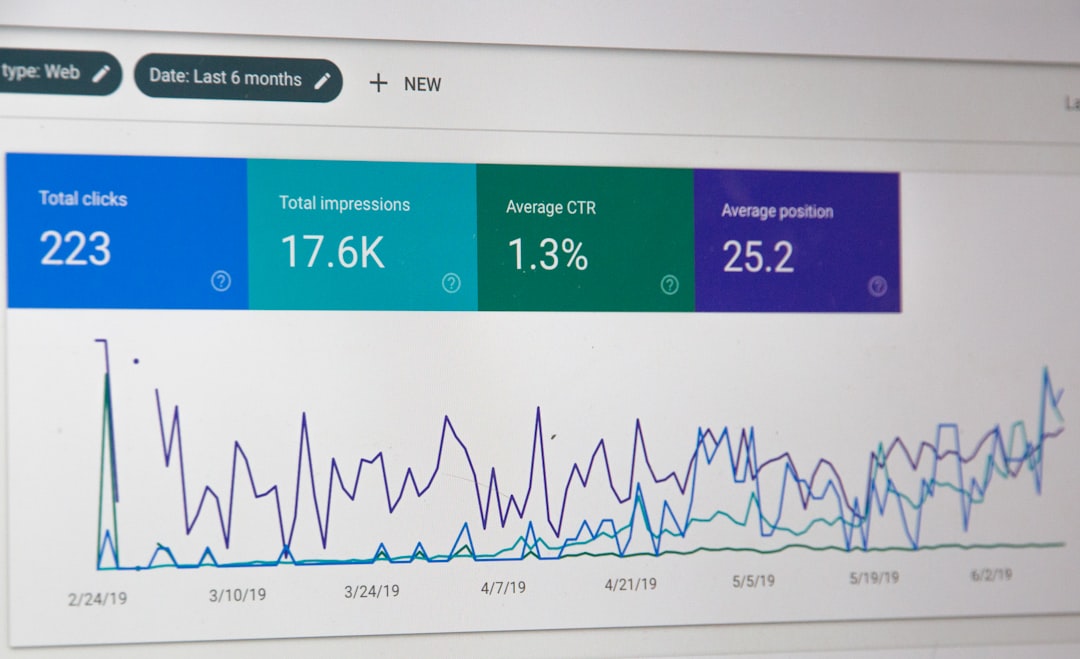
These platforms help search engines understand your website. They also show you useful data. You can see indexing problems. You can submit a sitemap. You can check search clicks. You can spot errors before they grow teeth.
Registration vs Indexing: Not the Same Thing
This is where many people get confused. Submitting your site is not the same as ranking.
Submitting says, “Hello, I exist.”
Indexing says, “We found your page and may store it.”
Ranking says, “We think your page deserves to appear for this search.”
These are three different steps. A page can be submitted but not indexed. A page can be indexed but buried on page 12. A page can rank today and drop tomorrow. Search engines are not vending machines. You do not insert a URL and receive traffic.
How Search Engines Find Websites in 2026
Search engines use crawlers. These are bots. Friendly ones, mostly. They move from link to link. They read pages. They store information. They return later to check for changes.
They may find your site through:
- A link from another website
- Your XML sitemap
- Social profiles
- Business listings
- News mentions
- Internal links on your own site
If your website has no links pointing to it, it is like a shop in the desert with no road. It may be beautiful. It may sell amazing cupcakes. But nobody knows where it is.
When Manual Submission Still Helps
Manual submission is useful in some cases. It is not a secret SEO button. But it can speed things up.
You should submit your site if:
- Your website is brand new. Search engines may not know it exists yet.
- You launched a redesign. A sitemap can help crawlers understand the new structure.
- You added many new pages. This is common for shops, blogs, and directories.
- Your pages are not being indexed. Search Console can show what is wrong.
- You fixed technical errors. You can request recrawling.
Here is a simple user case. Lina opens a small dog grooming website. She has five service pages and one blog post called “How Often Should You Wash a Poodle?” After two weeks, only her homepage appears in Google. She submits her sitemap in Google Search Console. Ten days later, four more pages are indexed. Her impressions rise from 18 to 146 in one month. Not magic. Just better discovery.

What About “Submit to 1,000 Search Engines” Services?
Run away. Or at least walk away with dramatic music.
These services are mostly outdated. Many “search engines” on those lists are tiny directories, dead sites, or low-quality platforms. Some may even create spammy links. That can hurt your reputation.
In 2026, quality matters more than quantity. You do not need 1,000 search engines. You need to be visible where your customers actually search.
For most websites, that means:
- Bing
- Apple Maps or Google Maps for local businesses
- Relevant industry directories
- Popular social and review platforms
A plumber needs local visibility. A recipe blog needs strong content and clean indexing. An online store needs product feeds, schema, fast pages, and trust. Different sites need different paths.
What You Should Do Instead
Search engine registration is only a tiny step. Real visibility comes from better website quality. Boring? Maybe. Effective? Very.
Use this simple checklist:
- Create a sitemap. Most website platforms can make one automatically.
- Submit it to Google Search Console and Bing Webmaster Tools.
- Make sure important pages are not blocked. Check your robots.txt file.
- Use clear page titles. Say what each page is about.
- Write helpful content. Answer real questions.
- Add internal links. Help users and crawlers move around.
- Get a few good backlinks. Quality beats quantity.
- Keep your site fast and mobile-friendly. Nobody likes a slow potato.
- Use structured data where useful. This helps search engines read your content.
How Long Does It Take to Show Up?
There is no fixed timer. Some pages show up in hours. Others take days or weeks. Some never get indexed because they are thin, duplicated, blocked, or low value.
A healthy small website may see many pages indexed within one to four weeks. A large website with thousands of pages may take longer. Search engines have crawl budgets. They do not crawl every page every minute. Even bots need priorities.
If your page is not indexed, check these things:
- Is the page set to noindex?
- Is it blocked by robots.txt?
- Does it have very little original content?
- Does another page say the same thing better?
- Can users and crawlers reach it through links?

Does AI Search Change This?
Yes and no. AI search tools are more common in 2026. People ask longer questions. They expect direct answers. Search results may include summaries, chat answers, and recommended sources.
But discovery still matters. If search systems cannot crawl or understand your site, they cannot easily use it. Good content is still important. Clear structure is still important. Trust is still important.
AI did not kill SEO. It made lazy SEO look sillier.
The Simple Verdict
Your website does not need old-fashioned search engine registration in 2026. But it does need proper search engine setup. That means using webmaster tools, submitting a sitemap, and keeping your site easy to crawl.
Do not pay for mass submission. Do not panic if your site does not appear in five minutes. Do not stuff your pages with keywords like a Thanksgiving turkey.
Instead, build a useful website. Connect it to the web. Help search engines understand it. Then keep improving it.
Search engine registration is now just the wave hello. The real work is being worth finding.