Every time you unlock your phone, send a message, buy something online, or log in to a cloud service, encryption is working quietly in the background. It turns readable information into scrambled data so that only the right person, device, or system can read it again. Two major approaches make this possible: symmetric encryption and asymmetric encryption. They both protect data, but they do it in very different ways.
TLDR: Symmetric encryption uses one shared secret key to both encrypt and decrypt data, making it fast and efficient. Asymmetric encryption uses two related keys: a public key for encryption and a private key for decryption, making it excellent for secure communication between strangers. In practice, modern security systems often use both together. Symmetric encryption handles speed, while asymmetric encryption solves the problem of safely exchanging keys.
What Is Symmetric Encryption?
Symmetric encryption is the older and simpler of the two methods. It uses the same key to lock and unlock information. Imagine a safe that opens with a single combination: anyone who knows the combination can put things inside and take them out. That is essentially how symmetric encryption works.
For example, if Alice wants to send Bob a private file, she encrypts it using a secret key. Bob must have that exact same key to decrypt and read the file. If anyone else gets the key, they can read the data too, which is why protecting the key is just as important as encrypting the message.
Common symmetric encryption algorithms include:
- AES — Advanced Encryption Standard, widely used in banking, Wi Fi security, databases, and file encryption.
- ChaCha20 — A fast modern cipher often used in mobile devices and secure web connections.
- DES and 3DES — Older standards that are now mostly considered outdated or insecure for modern use.
The main advantage of symmetric encryption is speed. It can encrypt large amounts of data quickly, which makes it ideal for protecting files, hard drives, streaming data, backups, and real time communications.
The Key Distribution Problem
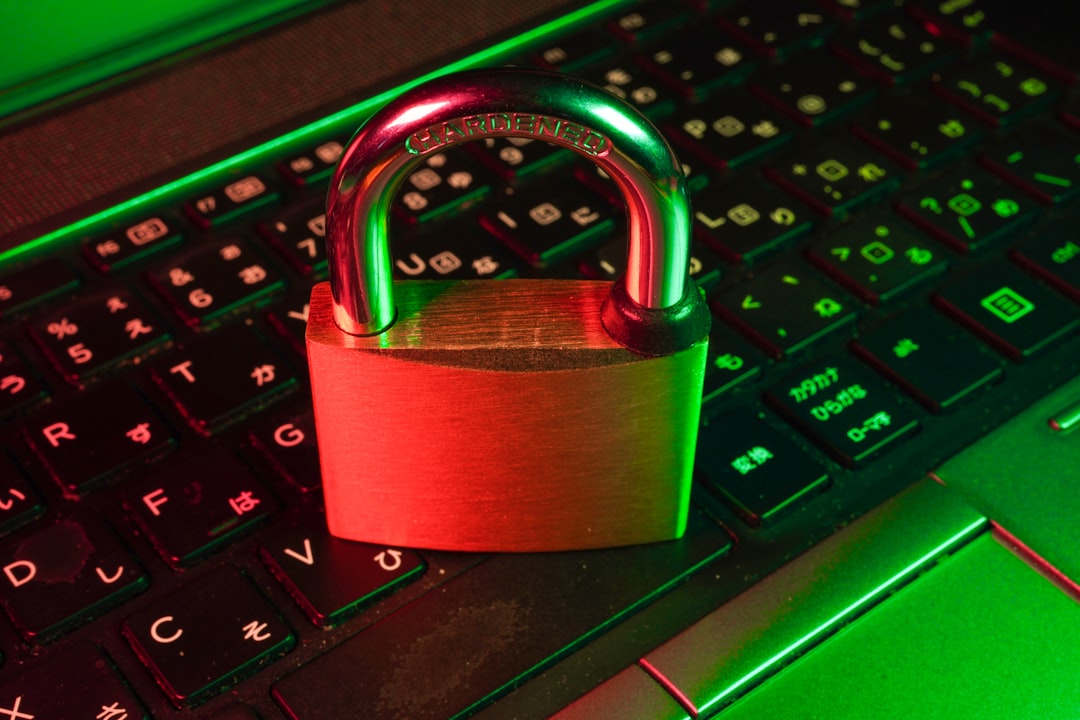
Symmetric encryption sounds convenient, but it has a serious challenge: how do you safely share the secret key?
If Alice and Bob are in the same room, Alice can whisper the key to Bob. But online, they may be thousands of miles apart and communicating over networks where attackers could be listening. If Alice sends the secret key over an unsecured connection, an attacker might intercept it and decrypt everything that follows.
This problem is known as the key distribution problem. It becomes even harder at scale. If a company has thousands of users, devices, servers, and applications, managing unique shared keys between all parties can become complex very quickly.
That is where asymmetric encryption becomes useful.
What Is Asymmetric Encryption?
Asymmetric encryption, also called public key cryptography, uses a pair of mathematically related keys: a public key and a private key.
- The public key can be shared with anyone.
- The private key must be kept secret by its owner.
If someone encrypts a message with your public key, only your private key can decrypt it. This means people can send you secure messages without first agreeing on a shared secret key. Your public key can be posted on a website, stored in a certificate, or sent across the internet without needing to be hidden.
Think of it like a mailbox. Anyone can drop a letter into the slot, but only the person with the mailbox key can open it and read what is inside. The slot is public; the key is private.
Popular asymmetric encryption systems include:
- RSA — One of the best known public key algorithms, historically used for secure data exchange and digital signatures.
- ECC — Elliptic Curve Cryptography, which offers strong security with smaller keys and better efficiency.
- Diffie Hellman — A key exchange method that allows two parties to create a shared secret over an insecure channel.

How They Differ
The biggest difference is the number and role of keys. Symmetric encryption uses one key; asymmetric encryption uses two keys. But that simple difference affects performance, security design, and everyday usage.
| Feature | Symmetric Encryption | Asymmetric Encryption |
|---|---|---|
| Keys Used | One shared secret key | Public and private key pair |
| Speed | Very fast | Slower |
| Best For | Encrypting large amounts of data | Secure key exchange, identity, signatures |
| Main Challenge | Safely sharing the secret key | Higher computational cost |
Symmetric encryption is like a high speed cargo train: excellent for moving a lot of data efficiently. Asymmetric encryption is more like a trusted courier service: slower, but useful for proving identity and delivering secrets safely.
Digital Signatures and Trust
Asymmetric encryption is not only used to hide data. It is also used for digital signatures, which help prove that a message, document, or software update came from a trusted source and was not altered.
Here is the basic idea: a sender uses their private key to create a signature. Anyone with the sender’s public key can verify that signature. If the verification succeeds, the receiver knows the content is authentic and unchanged.
This is a major part of modern cybersecurity. Digital signatures help secure software downloads, financial transactions, legal documents, emails, and websites. Without them, it would be much harder to know whether a file really came from the company or person it claims to come from.
Why Modern Systems Use Both
In real life, symmetric and asymmetric encryption are often used together in a hybrid encryption system. This combination gives users the best of both worlds: the speed of symmetric encryption and the secure key exchange of asymmetric encryption.
A common example is HTTPS, the secure version of web browsing. When you visit a secure website, your browser and the website first use asymmetric cryptography to verify identity and establish a shared secret. Once that shared secret is created, the session switches to symmetric encryption to protect the actual data being exchanged.
This is why secure websites can be both safe and fast. Asymmetric encryption handles the introduction and trust building. Symmetric encryption handles the heavy lifting after that.
Which One Is More Secure?
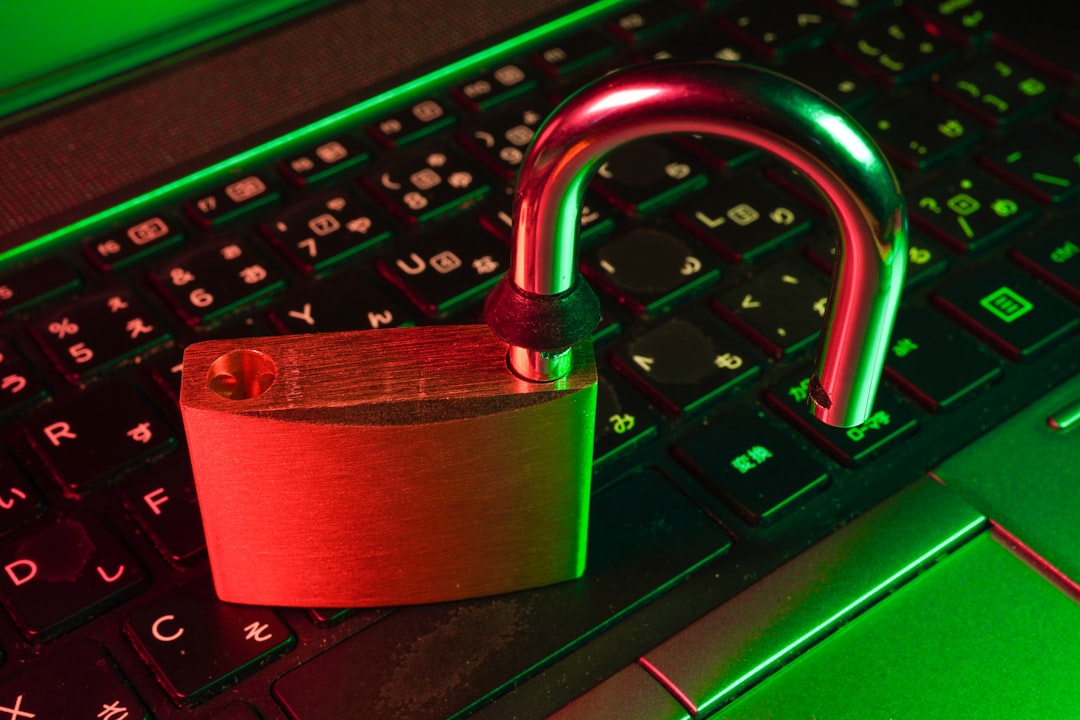
Neither method is automatically “more secure” in every situation. Security depends on the algorithm, key length, implementation quality, and how well keys are protected. A strong symmetric algorithm such as AES with a proper key can be extremely secure. A modern asymmetric system using elliptic curve cryptography can also be very secure.
The real issue is fitness for purpose. If you need to encrypt a large database, symmetric encryption is usually the practical choice. If you need to securely communicate with someone you have never met before, asymmetric encryption is the better starting point. If you need both privacy and identity verification, you will probably use a combination.
Everyday Examples
You encounter both types of encryption more often than you might think:
- Messaging apps use encryption to keep conversations private.
- Online banking relies on encrypted connections to protect financial details.
- Password managers use strong encryption to secure stored credentials.
- Software updates often use digital signatures to prove authenticity.
- Cloud storage may use encryption to protect files at rest and in transit.
In each case, the visible result is simple: your data stays private, tampering becomes harder, and systems can verify who they are communicating with.
Final Thoughts
Symmetric and asymmetric encryption are two different answers to the same fundamental question: how do we keep information safe? Symmetric encryption is fast, efficient, and ideal for protecting large volumes of data, but it depends on safely sharing a secret key. Asymmetric encryption solves that sharing problem by using public and private keys, though it is slower and more computationally demanding.
The real magic happens when they work together. From secure websites to private messaging and digital signatures, modern encryption depends on both approaches. Understanding the difference helps explain why the internet can be open, global, and still surprisingly secure.