Healthy lawns are often described as “green,” but keeping them that way should not require wasteful watering. In many landscapes, irrigation systems are installed with good intentions but poor planning: sprinklers overlap badly, shady areas receive the same water as sunny slopes, and watering schedules are based on guesswork rather than need. A lawn irrigation design tool helps change that by turning a yard into a measurable, planned system where every sprinkler, zone, and watering schedule serves a purpose.
TLDR: A lawn irrigation design tool helps optimize water usage by mapping the lawn, matching sprinkler coverage to plant and soil needs, and reducing waste from overspray, runoff, and uneven watering. It allows homeowners, landscapers, and property managers to design more efficient irrigation zones before installation begins. By combining layout planning with water pressure, flow rate, and coverage calculations, the tool supports healthier turf with less water. The result is a lawn that looks better, costs less to maintain, and uses water more responsibly.
Why Water Optimization Matters in Lawn Care
Water is one of the most important resources in lawn maintenance, but it is also one of the easiest to misuse. A lawn may look simple from a distance, yet it contains many variables: sun exposure, soil texture, slope, wind patterns, drainage, grass type, and foot traffic. Each of these affects how much water the turf actually needs.
Traditional irrigation planning often relies on visual judgment. Someone may place sprinklers “where they seem right” or run the system longer when the grass looks dry. Unfortunately, this can lead to two common problems:
- Overwatering, which wastes water, increases utility bills, encourages shallow roots, and may promote fungus.
- Underwatering, which causes dry patches, stressed turf, and uneven color across the lawn.
An irrigation design tool helps remove much of the guesswork. Instead of treating the entire lawn as one uniform area, it allows users to design irrigation based on actual site conditions.
Mapping the Lawn for Smarter Decisions
One of the first ways a lawn irrigation design tool improves water efficiency is through accurate mapping. Users can create a digital layout of the property, including lawn boundaries, garden beds, walkways, patios, trees, fences, slopes, and structures. This map becomes the foundation for better irrigation decisions.
With a clear layout, it is easier to identify areas that should not be watered, such as driveways, sidewalks, walls, and outdoor furniture zones. Preventing water from spraying onto hard surfaces is one of the fastest ways to reduce waste. In many poorly designed systems, a surprising amount of water lands where it does no good at all.
A detailed map also helps separate the lawn into practical irrigation zones. For example, a narrow side yard may need a different sprinkler type than a wide open backyard. A shaded area under trees may need less frequent watering than an exposed front lawn. By designing around these differences, the system can provide the right amount of water in the right place.
Improving Sprinkler Placement and Coverage
Sprinkler placement is one of the most important parts of irrigation design. If heads are spaced too far apart, dry spots appear between them. If they are placed too close together or aimed incorrectly, too much water may collect in certain areas. A design tool helps calculate proper spacing and coverage patterns before any trenching, piping, or installation work begins.
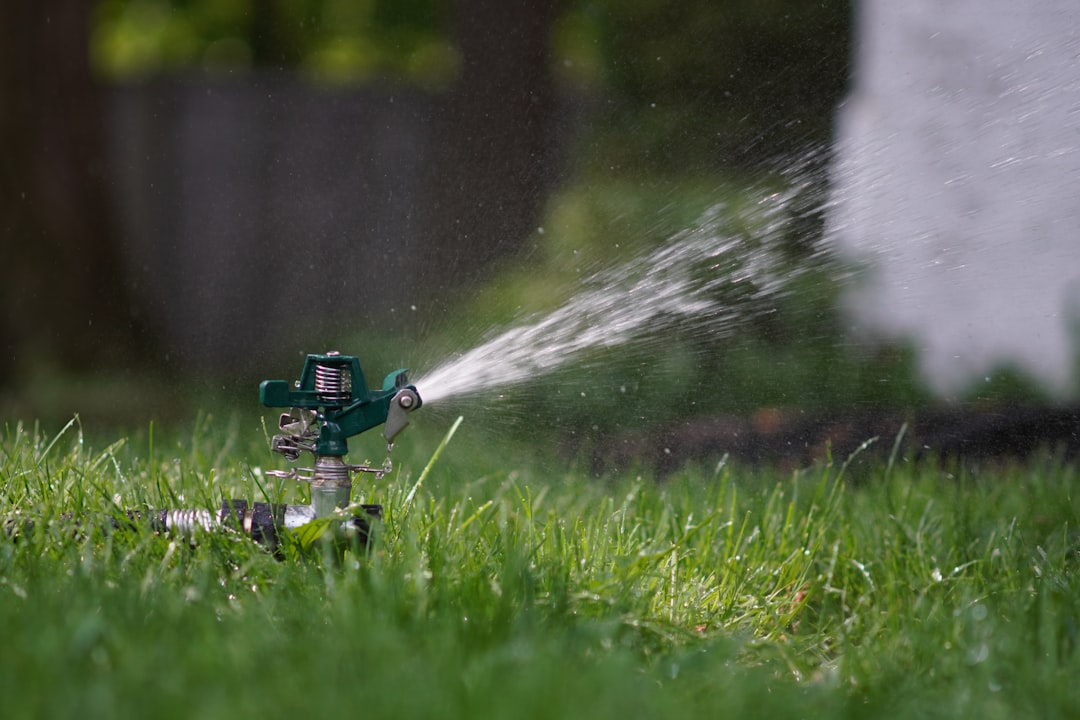
Most sprinkler heads distribute water in arcs, such as quarter-circle, half-circle, or full-circle patterns. A design tool can help select the appropriate spray pattern for each location. Corners may need quarter-circle coverage, edges may need half-circle coverage, and open areas may use full-circle heads or rotary sprinklers.
This kind of planning supports head-to-head coverage, a common irrigation principle where the spray from one sprinkler reaches the next sprinkler. While that may sound like overlap, it is actually a key to uniform watering. Sprinklers usually deliver less water at the outer edge of their spray radius, so well-planned overlap prevents dry gaps without excessive watering.
Creating Efficient Irrigation Zones
A lawn irrigation system is usually divided into zones because most properties cannot water every area efficiently at once. Water pressure and flow rate are limited, and different areas may need different watering schedules. An irrigation design tool helps determine which parts of the lawn should be grouped together.
Good zoning can dramatically improve water use. For example:
- Sunny zones can be scheduled for deeper or more frequent watering.
- Shady zones can run for shorter periods to prevent soggy soil.
- Sloped areas can be watered in shorter cycles to reduce runoff.
- High-traffic turf can receive targeted support without overwatering the entire lawn.
- Planting beds can be separated from turf areas because shrubs and flowers often need different irrigation methods.
Without proper zoning, a system may water everything according to the needs of the driest area. That means all other areas receive too much water. A design tool allows the system to be customized so that each zone works independently and efficiently.
Image not found in postmetaAccounting for Soil Type and Water Absorption
Soil plays a major role in water efficiency. Sandy soil drains quickly and may require shorter, more frequent watering. Clay soil absorbs water slowly and is more likely to produce runoff if irrigation runs too long. Loam soil generally holds moisture well, but it still benefits from careful scheduling.
A helpful irrigation design tool can guide users to consider soil type when planning water delivery. This matters because two lawns of the same size may have very different watering needs. Applying the same schedule to both could waste water on one and leave the other thirsty.
For clay-heavy lawns, a tool may support cycle and soak planning. Instead of watering for one long session, the system runs in shorter intervals with breaks in between. This gives water time to soak into the ground rather than flowing into the street or pooling in low spots. The lawn receives the moisture it needs, but less water is lost to runoff.
Matching Sprinkler Types to Lawn Conditions
Not all sprinklers are suited for all spaces. A lawn irrigation design tool helps users compare sprinkler types and choose the most effective option for each area. This can improve both performance and water conservation.
- Fixed spray heads are useful for small or narrow areas, but they can waste water if used in windy locations or oversized spaces.
- Rotary nozzles apply water more slowly and evenly, often reducing runoff and improving absorption.
- Gear driven rotors work well for larger turf areas because they cover longer distances with controlled movement.
- Drip irrigation is ideal for planting beds, shrubs, and trees because it applies water directly to the root zone.
Choosing the wrong sprinkler type can cause uneven watering even if the system is installed correctly. A design tool encourages better matching between equipment and landscape conditions, which helps reduce waste and improve lawn health.
Calculating Water Pressure and Flow Rate
Efficient irrigation is not just about where sprinklers are placed. It is also about whether the system has enough pressure and flow to operate correctly. If too many sprinkler heads are placed on one zone, water pressure may drop, causing weak spray patterns and poor coverage. If pressure is too high, misting can occur, and wind may carry fine droplets away from the lawn.
An irrigation design tool can help estimate how many heads belong in each zone based on available flow rate and pressure. This prevents common design mistakes that lead to waste. When pressure and flow are balanced, sprinklers perform as intended, coverage is more uniform, and watering times can be more precise.
This is especially important for larger properties or lawns with complex shapes. Manual calculations can be time-consuming and prone to error, but a design tool makes it easier to test different layouts before committing to installation.
Reducing Overspray, Runoff, and Evaporation
Water waste often happens in three ways: overspray, runoff, and evaporation. A lawn irrigation design tool helps address all three.
Overspray occurs when sprinklers water sidewalks, driveways, fences, or streets. Careful layout and spray pattern selection reduce this problem. Runoff happens when water is applied faster than the soil can absorb it, especially on slopes or compacted ground. Better zoning and cycle planning help prevent it. Evaporation increases when watering occurs during hot, windy, or sunny periods. While scheduling is often handled by a controller, a good design supports efficient watering durations that reduce unnecessary exposure.
When these sources of waste are minimized, lawns can often stay healthier using noticeably less water.
Supporting Smart Controllers and Seasonal Adjustments
Many modern irrigation systems use smart controllers that adjust watering based on weather, season, or soil moisture. A design tool complements these controllers by ensuring the physical system is efficient first. Even the smartest controller cannot fully compensate for poor sprinkler placement or badly planned zones.
When a well-designed irrigation layout is paired with weather-based scheduling, water savings can be significant. The system can reduce watering after rain, increase it during dry spells, and adjust run times as temperatures change. The lawn receives water when it needs it, not simply because the timer says so.
Saving Money While Protecting the Lawn
Optimized water usage is good for the environment, but it is also practical. Less wasted water means lower utility bills, fewer drainage problems, and reduced wear on irrigation components. A properly designed system may also prevent costly lawn issues such as fungal disease, root stress, erosion, and patchy growth.
For contractors and landscape professionals, using a design tool can also improve communication with clients. A visual plan makes it easier to explain why certain zones, sprinkler types, or schedules are recommended. For homeowners, it provides confidence that the system is based on logic rather than trial and error.
A Better Lawn Starts With a Better Plan
A lawn irrigation design tool does more than create a neat diagram. It helps transform watering from a routine chore into a carefully managed process. By mapping the property, planning sprinkler coverage, balancing pressure, accounting for soil, and organizing zones, the tool makes it possible to use water with greater precision.
The best irrigation systems are not the ones that simply water the most. They are the ones that water efficiently, evenly, and intelligently. With thoughtful design, a lawn can stay lush and resilient while using less water. In a time when resource conservation matters more than ever, that makes an irrigation design tool not just convenient, but genuinely valuable.