Managing links effectively has become a crucial part of modern digital marketing, content sharing, and analytics. Long, complicated URLs not only look unprofessional, but they can also discourage clicks and make tracking performance more difficult. Link shortening tools solve these problems by transforming lengthy URLs into concise, shareable links while offering powerful tracking and management features. Businesses, marketers, and content creators increasingly rely on these platforms to optimize campaigns and better understand user behavior.
TLDR: Link shortening tools turn long URLs into clean, shareable links while offering tracking and analytics features. They help businesses monitor clicks, understand audience behavior, and optimize campaigns. This article highlights six powerful link shortening tools and explains how they can improve link management and performance tracking. A helpful FAQ section at the end answers common questions about choosing and using these tools.
Why Link Shortening Tools Matter
Short links are more than just compact URLs. They provide a professional appearance, especially on platforms with character limits such as social media. In addition, many tools offer analytics dashboards, geographic tracking, device insights, and campaign tagging.

Advantages of link shortening tools include:
- Improved aesthetics: Cleaner links increase trust and click-through rates.
- Better tracking: Identify where clicks originate and which campaigns perform best.
- Customization: Create branded links for stronger brand recognition.
- Link management: Edit destinations and manage multiple campaigns from one dashboard.
- Performance insights: Gather valuable data for marketing optimization.
Below are six reliable link shortening tools for managing and tracking links effectively.
1. Bitly
Bitly remains one of the most recognized link shortening services. It combines link management with robust analytics, making it ideal for marketers and businesses of all sizes.
Key features:
- Custom branded domains
- Detailed click analytics
- QR code generation
- Campaign tracking tools
Bitly allows users to create memorable branded links that reinforce brand identity. Its dashboard provides data such as geographic location, device type, and referral source. Teams can collaborate within shared workspaces, making it particularly useful for marketing departments running multiple campaigns simultaneously.
With integrations into various social media and marketing platforms, Bitly ensures users can monitor performance directly from their workflow tools.
2. TinyURL
TinyURL is known for its simplicity and ease of use. While it began as a basic shortening tool, it now offers optional analytics and customization features.
Key features:
- Quick link generation without registration
- Custom alias creation
- Browser extensions
- Basic link tracking (with account)
TinyURL appeals to individuals who need quick shortening without extensive setup. Although its analytics are less advanced than some competitors, it remains reliable for everyday link sharing.
For small projects or quick sharing tasks, TinyURL provides an efficient solution with minimal complexity.
3. Rebrandly
Rebrandly focuses heavily on branded links, allowing companies to strengthen brand identity with every URL they share.
Image not found in postmetaKey features:
- Custom domain integration
- Advanced analytics and tracking
- Link retargeting tools
- API access for developers
Rebrandly enables users to connect their own domain names to create highly recognizable short links. Instead of generic shortened URLs, brands can produce links that build credibility and improve user trust.
The platform also provides retargeting capabilities, allowing marketers to add retargeting pixels to shortened links. This feature helps re-engage visitors across different advertising channels, increasing conversion opportunities.
4. BL.INK
BL.INK stands out for its enterprise-grade solutions. It supports businesses managing large volumes of links and complex marketing operations.
Key features:
- Detailed segmentation and reporting
- Role-based team permissions
- Customizable tracking parameters
- Integration with marketing platforms
The tool’s advanced analytics dashboard enables segmentation by location, device type, time, and more. Enterprises benefit from structured user permissions, ensuring secure and organized link management across teams.
For businesses requiring scalable solutions, BL.INK provides flexibility without sacrificing depth in reporting and analysis.
5. T2M
T2M offers unlimited link creation and comprehensive analytics, making it a practical option for businesses needing extensive tracking capabilities.
Key features:
- No-expiry links
- Detailed geographic analytics
- Bulk link creation
- Custom branded domains
T2M provides in-depth tracking data, including detailed geographic breakdowns and timestamp-based insights. Users can export reports for external analysis, helping marketers present campaign results clearly to stakeholders.
Bulk creation features allow businesses to manage high-volume campaigns efficiently. This makes T2M especially useful for agencies handling multiple client accounts.
6. Short.io
Short.io combines link shortening with advanced targeting and tracking options. It appeals to businesses seeking sophisticated features without unnecessary complexity.
Key features:
- Custom domain support
- Geo-targeting and device targeting
- Link expiration settings
- Team collaboration tools
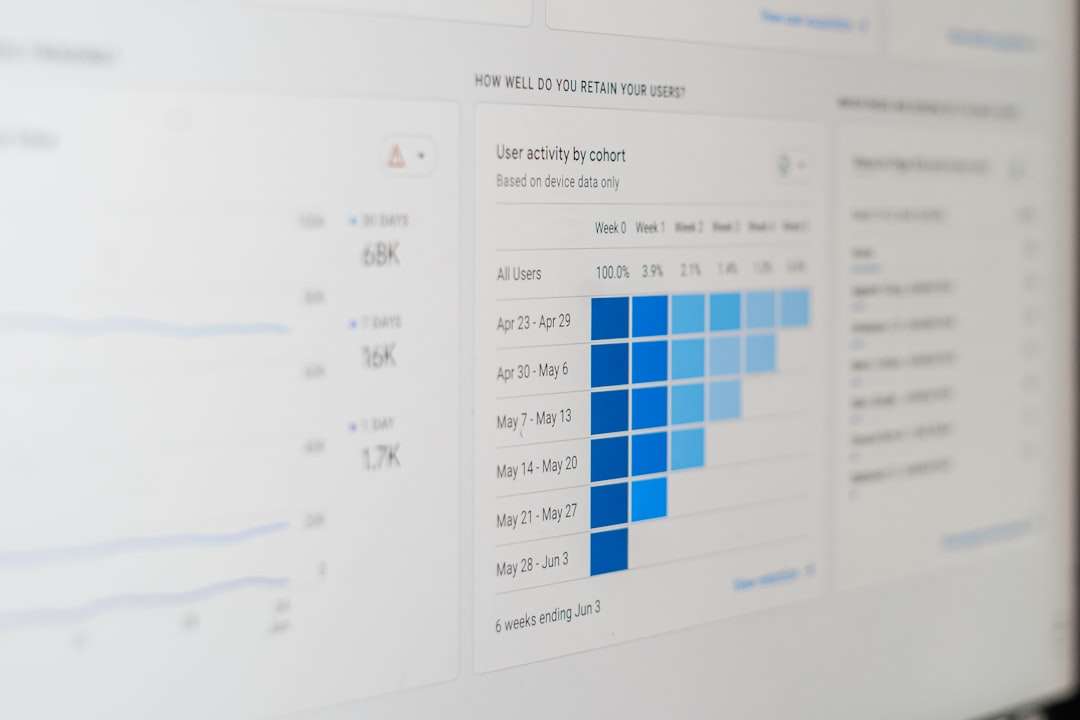
Short.io allows users to redirect visitors based on geographic location or device type. For example, mobile users can be directed to an app store, while desktop users visit a website landing page. Such targeting helps improve user experience and campaign performance.
With real-time analytics and flexible redirection rules, Short.io enables marketers to refine strategies quickly based on performance data.
How to Choose the Right Link Shortening Tool
Choosing the ideal tool depends on specific needs, team size, and marketing goals. While individuals may prioritize simplicity, larger businesses often require advanced analytics and integration capabilities.
Consider the following factors:
- Analytics depth: Does the tool provide the level of insight required?
- Customization options: Can branded domains be used?
- Team collaboration: Are multiple users supported?
- Budget: Does the pricing align with expected usage?
- Integration capabilities: Can it connect with existing marketing tools?
Evaluating these elements carefully ensures businesses invest in a solution aligned with their operational requirements.
Best Practices for Managing and Tracking Links
Using link shortening tools effectively involves more than generating short URLs. Strategic planning improves results significantly.
- Use consistent naming conventions: Organized link naming simplifies tracking.
- Monitor analytics regularly: Frequent analysis detects trends and opportunities.
- Test different campaigns: Compare link performance across platforms.
- Leverage UTM parameters: Improve tracking in analytics platforms.
- Maintain link organization: Archive outdated campaigns to avoid clutter.
By following these practices, marketers can maximize the value of their shortened links and make data-driven decisions that enhance engagement and conversions.
FAQ
- What is a link shortening tool?
A link shortening tool converts a long URL into a shorter, more manageable link. Many also provide tracking and analytics features to monitor click performance. - Are shortened links safe to use?
Yes, reputable link shortening services are generally safe. However, users should choose trusted providers and monitor links to avoid misuse or security concerns. - Can branded short links improve click-through rates?
Yes, branded links often increase trust and recognition, which can lead to higher click-through rates compared to generic short URLs. - Do link shortening tools provide analytics?
Most modern link shorteners offer analytics such as click counts, location data, device types, and referral sources. - Are free link shorteners sufficient for businesses?
Free versions can work for small projects, but businesses typically benefit from paid plans that include advanced tracking, branding, and team collaboration features. - Can shortened links be edited after creation?
Some platforms allow users to update the destination URL even after the link has been shared, which is useful for correcting errors or updating campaigns. - How do link shorteners help with marketing campaigns?
They allow marketers to track campaign performance, compare traffic sources, retarget users, and adjust strategies based on real-time data.