Maintaining excellent water quality is the foundation of a healthy aquarium. Whether you are caring for a small freshwater tank or a complex reef system, consistency and data-driven decisions are essential. In recent years, a new generation of aquarium management apps has transformed how hobbyists and professionals track water parameters, schedule maintenance, and safeguard fish health. These tools combine automation, intelligent reminders, and detailed analytics to make responsible aquarium care more precise and less stressful.
TLDR: Aquarium management apps help aquarists monitor water parameters, schedule maintenance, and track livestock health in one centralized system. They reduce guesswork by providing reminders, data charts, and integration with smart equipment. The best apps support consistent water testing, water change scheduling, and long-term trend analysis. Using the right app can significantly improve water stability and overall fish well-being.
For serious aquarists, stability is everything. Sudden fluctuations in ammonia, nitrites, nitrates, pH, salinity, or temperature can harm or even kill fish. While manual logs and notebooks once served as the primary tracking method, digital tools now offer real-time monitoring, historical data analysis, and automated alerts. With proper use, aquarium management apps can substantially reduce risk and improve long-term tank success.
Why Water Quality Management Is Critical
Water chemistry in an aquarium is a dynamic system. Fish produce waste. Uneaten food breaks down. Beneficial bacteria convert ammonia into nitrites and nitrates. Over time, dissolved organics and toxins accumulate. Without structured monitoring, minor imbalances can escalate quickly.
Key parameters that require regular tracking include:
- Ammonia (NH3) – Toxic even in small amounts
- Nitrite (NO2-) – Interferes with oxygen transport in fish
- Nitrate (NO3-) – Less toxic but accumulates over time
- pH – Influences overall biological processes
- Temperature – Affects metabolism and immune function
- Salinity – Critical in marine systems
- KH and GH – Buffering capacity and general hardness
Consistent logging helps identify trends before they become emergencies. For example, a gradual nitrate increase may indicate insufficient water changes, while pH instability could signal depleted buffering capacity.
This is where aquarium management apps prove indispensable.
Core Features of Aquarium Management Apps
Modern aquarium apps are designed to simplify routine tasks while promoting accountability. Although features vary, the most effective platforms typically include:
1. Water Parameter Logging and Graphs
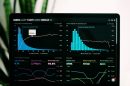
Users can input test results and track them across days, weeks, or months. Advanced apps generate easy-to-read charts that reveal patterns and correlations.
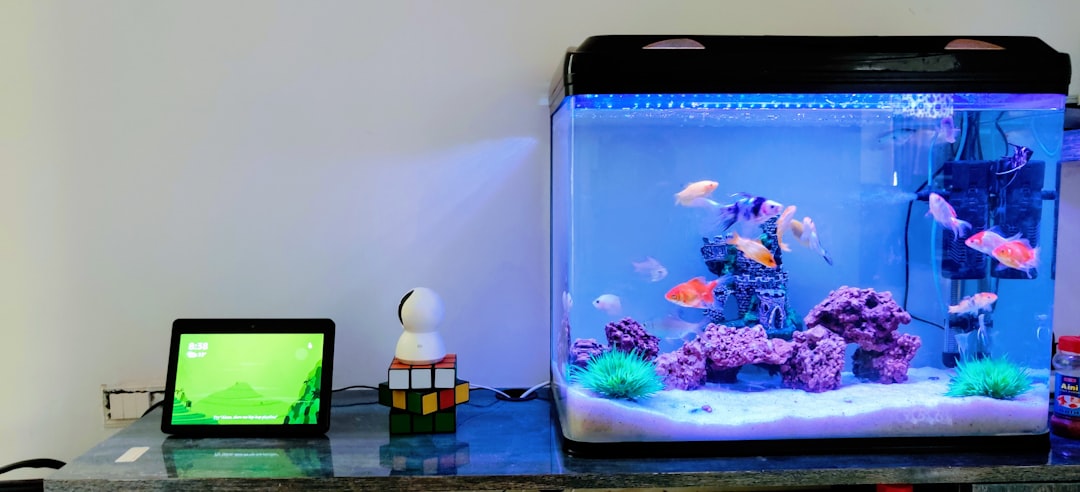
This visual representation allows you to:
- Identify long-term nutrient buildup
- Detect seasonal fluctuations
- Correlate fish stress with parameter shifts
- Evaluate effectiveness of filtration upgrades
2. Maintenance Scheduling
Consistency in water changes, filter cleaning, and dosing is critical. Apps provide customizable reminders for:
- Water changes
- Filter media replacement
- Substrate vacuuming
- Equipment inspection
- Additive dosing (conditioners, fertilizers, buffers)
Preventative maintenance significantly reduces sudden crashes.
3. Livestock Tracking
Many apps allow you to catalog:
- Fish species and quantities
- Coral types (reef tanks)
- Invertebrates
- Addition dates
- Quarantine history
Having an organized record promotes responsible stocking density and better disease monitoring.
4. Smart Equipment Integration
Some advanced systems connect with WiFi-enabled thermometers, pH monitors, automatic feeders, and lighting systems. This integration allows near real-time data access and alert notifications for abnormal readings.
Automation does not replace responsibility—but it dramatically enhances awareness.
Leading Aquarium Management Apps
While many apps are available, a few stand out for reliability and comprehensive functionality. Below is a comparison of reputable options frequently used by aquarists.
| App Name | Best For | Water Logging | Maintenance Reminders | Device Integration | Platform |
|---|---|---|---|---|---|
| Aquarimate | Comprehensive tank management | Yes (Advanced Charts) | Yes | Limited | iOS, Android |
| Apex Fusion | Advanced reef systems | Yes (Real Time) | Yes | Extensive (Neptune Systems) | Web, Mobile |
| Seneye App | Continuous monitoring | Yes (Automated) | Alerts | Dedicated Seneye Device | Web, Mobile |
| Aquarium Note | Simple tracking | Yes (Manual Entry) | Yes | No | Mobile |
Each app serves different needs, from beginner freshwater tanks to highly technical marine reef aquariums.
How Apps Improve Fish Health
Fish health is closely tied to environmental stability. Aquarium management apps contribute to healthier systems in several measurable ways.
Early Detection of Imbalances
When users log parameters consistently, deviations become visible sooner. For example:
- Rising ammonia may indicate biological filter disruption.
- Elevated nitrates can signal overfeeding.
- Temperature swings could reveal heater malfunction.
Timely corrections prevent stress-related diseases such as ich, fin rot, and bacterial infections.
Improved Quarantine Management
Serious aquarists understand the value of quarantine tanks. Apps help track medication dosages, treatment duration, and symptoms.
Maintaining organized treatment logs ensures:
- Accurate antibiotic dosing
- Proper isolation timelines
- Reduced cross-contamination risks
Better Feeding Control
Overfeeding is a common cause of declining water quality. With feeding reminders and logging tools, aquarists can regulate feeding frequency and monitor correlations between feeding habits and nitrate trends.
Freshwater vs. Reef Tank App Needs
Different aquarium types require different monitoring priorities.
Freshwater Tanks
- Focus on ammonia, nitrites, nitrates, pH
- Temperature stability
- Routine water changes
- Plant fertilizer tracking (planted tanks)
Saltwater and Reef Tanks
- Salinity monitoring
- Calcium and alkalinity tracking
- Magnesium levels
- Light cycle programming
- Protein skimmer performance
Reef systems, in particular, benefit greatly from apps that integrate directly with probes and controllers because coral health is extremely sensitive to parameter fluctuations.
Data Trends and Long-Term Stability
One of the most powerful aspects of aquarium apps is long-term analysis. Stable tanks are not built overnight—they are refined gradually through observation and incremental adjustments.
Charts may reveal insights such as:
- Nitrates steadily rising between water changes
- pH dipping during winter months due to indoor CO2
- Seasonal evaporation altering salinity concentration
With this information, aquarists can make informed improvements rather than reactive corrections.
Choosing the Right Aquarium Management App
Selecting the appropriate app depends on several practical considerations:
- Tank complexity – Basic freshwater vs advanced reef system
- Budget – Free manual trackers vs paid integrated platforms
- Hardware compatibility – Does it connect to existing equipment?
- User interface clarity – Ease of entering and retrieving data
- Cloud backup – Protection against data loss
Beginner hobbyists often benefit from simple log-and-reminder apps. Experienced marine aquarists may prefer digital ecosystems tied to automated controllers.
Best Practices for Using Aquarium Apps Effectively
An app is only as useful as the consistency of its user. To maximize value:
- Test regularly – Establish a fixed weekly schedule.
- Log immediately – Avoid memory-based entries.
- Review charts monthly – Look for gradual trends.
- Adjust slowly – Avoid drastic corrections.
- Back up data – Ensure long-term records remain secure.
Combining disciplined testing with structured digital tracking creates a powerful management routine.
The Future of Aquarium Management
Technology continues to reshape aquarium care. Emerging systems incorporate artificial intelligence to recommend maintenance adjustments based on trend analysis. Future apps may automatically calculate dosing requirements, recommend feeding reductions, or predict algae blooms based on nutrient patterns.
As sensors become more affordable and accessible, even mid-sized home aquariums can achieve monitoring standards previously reserved for large public aquariums.
Responsible fishkeeping requires knowledge, discipline, and vigilance. Aquarium management apps do not replace experience, but they significantly enhance precision and accountability. By tracking water parameters, scheduling maintenance, and analyzing long-term trends, aquarists create stable environments where fish and corals can thrive.
Ultimately, the health of an aquarium depends on stability. With the strategic use of reliable management apps, maintaining pristine water quality becomes a structured, measurable process rather than guesswork. For anyone serious about protecting aquatic life, adopting a digital management system is no longer a luxury—it is a practical advancement in modern aquarium care.