For startups building data-driven products, database performance can make or break the user experience. Slow queries, inefficient indexing, and lack of real-time visibility into database health can create bottlenecks that directly affect growth. While PlanetScale Insights is a popular choice for monitoring database performance, it’s not the only option on the market. Startups often explore alternatives that better fit their stack, budget, scalability needs, or preferred database engine.
TLDR: Startups looking beyond PlanetScale Insights have several strong alternatives for database performance monitoring. Tools like Datadog Database Monitoring, New Relic, SolarWinds Database Performance Analyzer, Prometheus with Grafana, and ManageEngine Applications Manager offer distinct strengths in scalability, visualization, integration, and pricing. The right choice depends on your database type, infrastructure setup, and growth goals. Below, we break down each option and compare them side by side to help you decide.
Before diving into specific tools, it’s important to understand why startups consider alternatives in the first place. Common reasons include:
- Multi-database environments requiring broader support.
- Cost sensitivity during early growth stages.
- Advanced observability needs across infrastructure, not just databases.
- On-premise or hybrid deployments requiring flexible monitoring.
With that in mind, here are five compelling software alternatives.
1. Datadog Database Monitoring
Best for: Startups seeking full-stack observability alongside database monitoring.
Datadog is widely recognized for cloud infrastructure monitoring, but its database monitoring capabilities are equally powerful. It provides granular metrics for query performance, resource utilization, wait events, and slow queries across databases such as MySQL, PostgreSQL, MongoDB, and more.
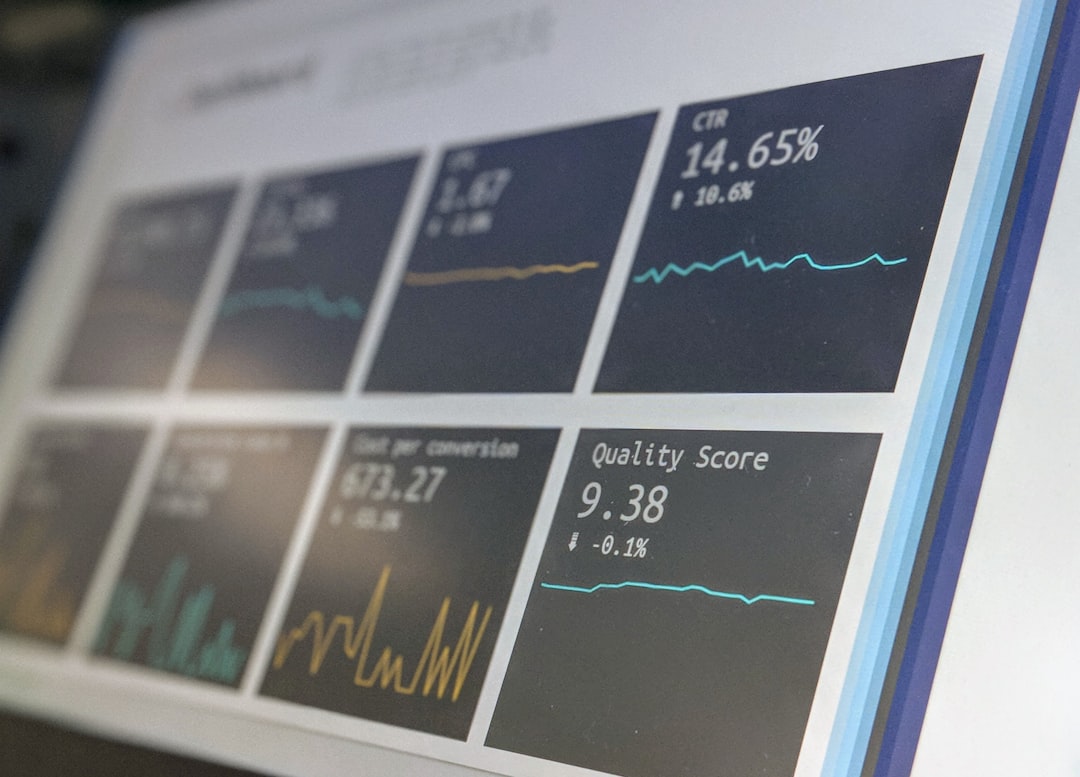
What makes Datadog particularly attractive for startups is its seamless integration with cloud providers like AWS, Azure, and Google Cloud. Teams can correlate database issues with application errors and infrastructure spikes in real time.
Key features:
- Query-level visibility and flame graphs.
- AI-driven anomaly detection.
- Infrastructure and APM integration.
- Custom alerts and dashboards.
Pros:
- Comprehensive observability stack.
- Scales easily as infrastructure grows.
- Strong cloud-native integrations.
Cons:
- Pricing can grow quickly with usage.
- Learning curve for smaller teams.
2. New Relic
Best for: Teams wanting unified observability across apps and databases.
New Relic offers database performance monitoring as part of its broader observability platform. It provides deep query analytics, transaction tracing, and real-time performance insights for relational and NoSQL databases.
Startups often appreciate New Relic’s flexible pricing tiers and relatively fast setup process. Its intuitive interface makes it easier for smaller engineering teams to gain visibility without extensive configuration.
Key features:
- End-to-end transaction tracing.
- Query performance breakdowns.
- Custom dashboards and alerts.
- Integration with CI/CD pipelines.
Pros:
- Strong application-database correlation.
- Developer-friendly UI.
- Flexible usage-based pricing.
Cons:
- Can become complex as environments scale.
- Advanced features may require higher-tier plans.
3. SolarWinds Database Performance Analyzer (DPA)
Best for: Deep database diagnostics and enterprise-grade analysis.
SolarWinds DPA focuses specifically on database performance tuning. Unlike broader observability tools, its core strength lies in in-depth wait-time analysis and historical performance tracking.
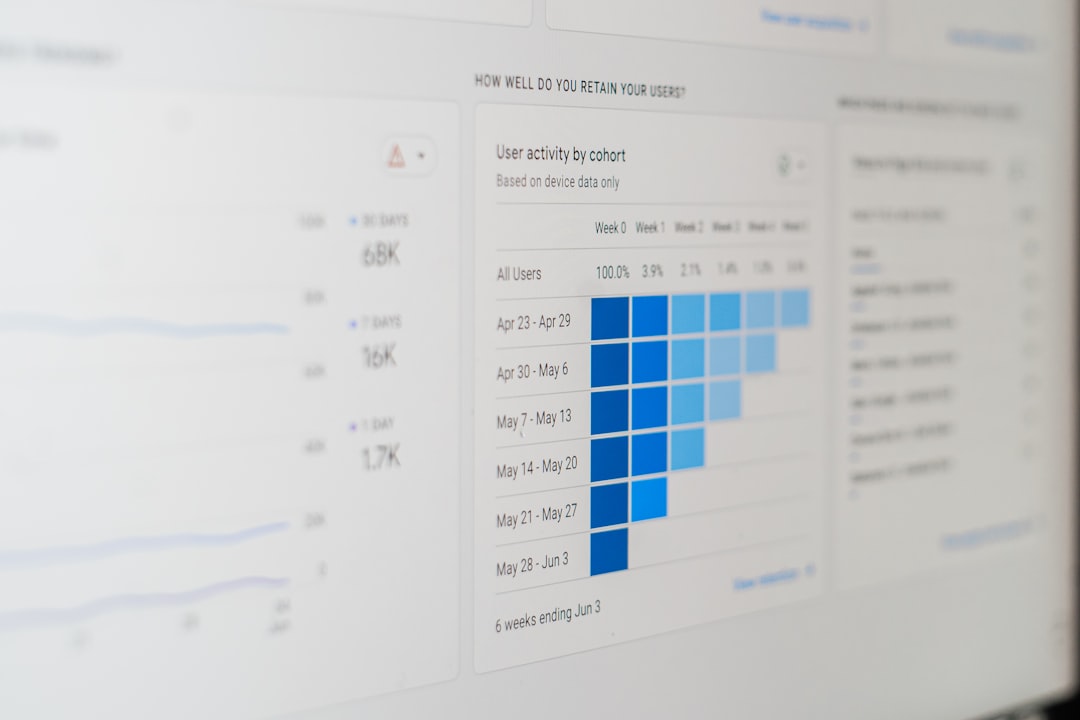
This makes SolarWinds DPA particularly useful for startups nearing scale-up phase, where more complex database workloads demand detailed root-cause analysis.
Key features:
- Wait-time analysis methodology.
- Cross-platform support (MySQL, PostgreSQL, SQL Server, Oracle).
- Historical trend data for proactive tuning.
- Custom reporting tools.
Pros:
- Specialized database diagnostics.
- Minimal performance overhead.
- Strong legacy database support.
Cons:
- More focused on DB than full-stack monitoring.
- Higher upfront cost than some SaaS tools.
4. Prometheus with Grafana
Best for: Startups wanting open-source flexibility and control.
Prometheus, paired with Grafana for visualization, is a powerful open-source monitoring stack. While not a plug-and-play database performance solution like others on this list, it offers extensive flexibility and cost efficiency for technically capable teams.
Using database exporters, startups can collect metrics such as query latency, connections, and replication lag, then visualize them with customizable Grafana dashboards.
Key features:
- Open-source and highly customizable.
- Powerful time-series data collection.
- Advanced dashboarding with Grafana.
- Kubernetes-native support.
Pros:
- Cost-effective for early-stage startups.
- Full control over metrics and storage.
- Strong community support.
Cons:
- Requires technical expertise to configure.
- No native support team unless using managed services.
5. ManageEngine Applications Manager
Best for: Startups seeking an affordable, comprehensive monitoring solution.
ManageEngine Applications Manager provides database monitoring as part of its application performance monitoring suite. It supports a wide array of databases and offers real-time tracking of query performance, memory usage, and transaction metrics.
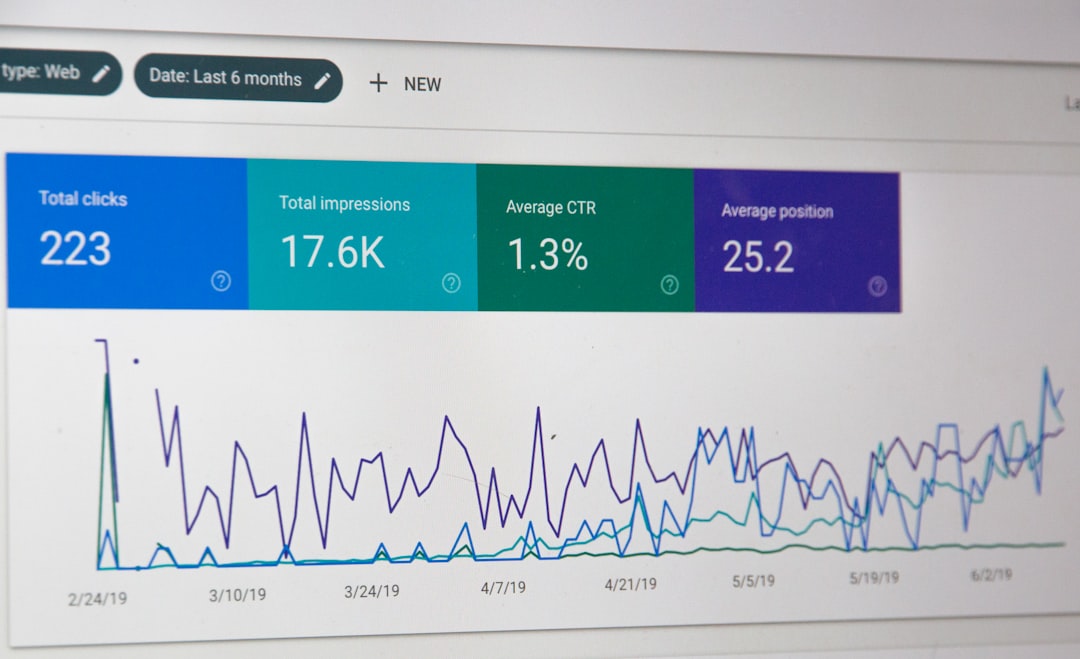
Its competitive pricing model makes it accessible to budget-conscious startups, while still offering enterprise-level capabilities.
Key features:
- Broad database support.
- Custom alerts and root cause analysis.
- Application-to-database visibility.
- On-prem and cloud deployment options.
Pros:
- Affordable pricing tiers.
- All-in-one monitoring solution.
- Easy setup compared to open-source stacks.
Cons:
- Interface may feel less modern.
- Advanced analytics less sophisticated than premium tools.
Comparison Chart
| Tool | Best For | Deployment | Open Source | Full-Stack Monitoring | Cost Level |
|---|---|---|---|---|---|
| Datadog | Cloud-native observability | Cloud SaaS | No | Yes | Medium to High |
| New Relic | Unified observability | Cloud SaaS | No | Yes | Medium |
| SolarWinds DPA | Deep DB diagnostics | On-prem or Cloud | No | Limited | Medium to High |
| Prometheus + Grafana | Custom open-source monitoring | Self-hosted | Yes | Configurable | Low (setup cost) |
| ManageEngine Applications Manager | Budget-friendly all-in-one | On-prem or Cloud | No | Yes | Low to Medium |
How Startups Should Choose
Selecting the right database performance monitoring tool isn’t just about features—it’s about alignment with your startup’s trajectory.
If you’re:
- Scaling quickly in the cloud: Datadog or New Relic may be best.
- Managing complex database workloads: SolarWinds DPA offers deeper analysis.
- Operating on a tight budget with strong DevOps expertise: Prometheus and Grafana provide flexibility.
- Needing balanced functionality at a moderate cost: ManageEngine stands out.
It’s also wise to factor in future growth. A tool that seems sufficient today must still perform under increased traffic, additional databases, and evolving compliance demands.
Final Thoughts
Database performance monitoring is not a luxury—it’s a foundational requirement for modern startups. While PlanetScale Insights remains a capable solution, numerous alternatives offer distinct strengths in diagnostics, scalability, integration, and cost-efficiency.
The best choice depends on your team’s technical maturity, infrastructure model, and long-term scaling ambitions. By carefully evaluating the tools above and mapping them against your unique needs, you can ensure your database infrastructure supports innovation rather than hinders it.
In a world where milliseconds matter and downtime can cost thousands, investing in the right monitoring solution might just be one of the smartest early decisions your startup makes.