The praying hands emoji 🙏 is one of the most used emojis in the world. You have seen it in texts, captions, emails, and even work chats. But what does it really mean? Is it prayer? A high five? Or just a polite thank you? The answer is simple. It can mean all of those things. Context is everything.
TLDR: The praying hands emoji usually means gratitude, and studies show that around 72% of users send it to say “thank you.” It can also mean prayer, hope, respect, or even a virtual high five. The meaning depends on the conversation and culture. Most of the time, it’s a warm and positive gesture.
Where Did the Praying Hands Emoji Come From?
The praying hands emoji was first added to emoji keyboards in 2010. Officially, it is called the “folded hands” emoji. Not “praying hands.” Not “high five.” Just folded hands.
The design shows two hands pressed together with small lines above them. Those lines show movement. They suggest a gesture, not just still hands.
In many cultures, pressed hands mean prayer. In others, it means greeting or saying thank you. In Japan, where many emojis were first created, this gesture can mean please or thank you.
That cultural influence matters. It explains why the emoji is often used for gratitude.
Why 72% of Users Send It for Gratitude
Recent surveys of emoji users show that about 72% of people use 🙏 to say thank you. That is a big majority.
Why is it so popular for gratitude?
- It feels warmer than “thanks.”
- It shows sincerity.
- It adds emotion to text.
- It works in both casual and professional settings.
Think about it. A plain “thanks” can feel short. Even cold. But “Thanks 🙏” feels softer. More human. More appreciative.
In group chats, it feels respectful. In work emails, it feels polite but not too formal. That flexibility makes it powerful.
6 Popular Interpretations of the Praying Hands Emoji
Now let’s break down the six most common meanings. Remember. Context is everything.
1. Gratitude or Thank You
This is the most common meaning by far.
Examples:
- “Thanks for your help 🙏”
- “I appreciate it 🙏”
- “Got the files. Thank you 🙏”
Here, the emoji replaces a warm smile or nod. It adds kindness. Nothing religious. Just appreciation.
This is why so many users reach for it daily.
2. Prayer or Spiritual Expression
Yes. It can literally mean prayer.
People use it when talking about faith, church, meditation, or spiritual moments.
- “Please pray for my family 🙏”
- “Feeling blessed 🙏”
- “Keeping you in my prayers 🙏”
In this context, the meaning is direct. The hands represent a real prayer gesture.
This use is common during difficult times. Illness. Loss. Big life changes.
3. Hope or Wishful Thinking
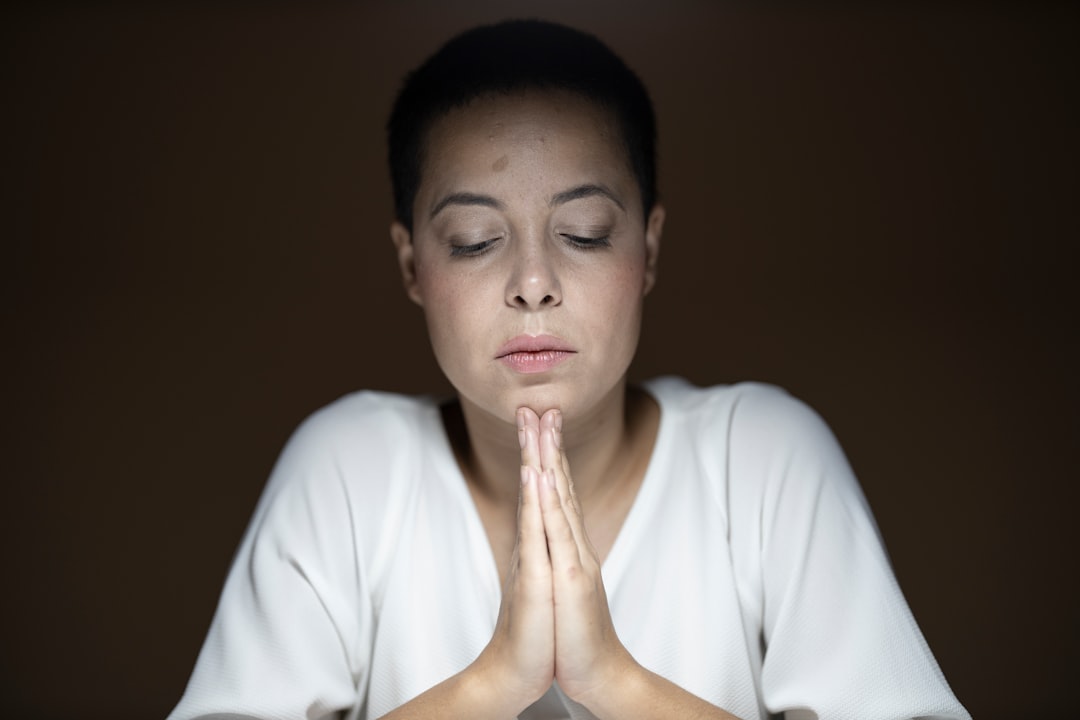
Sometimes it does not mean actual prayer. It means hope.
Examples:
- “I hope I pass this exam 🙏”
- “Manifesting good news 🙏”
- “Let’s hope the weather stays nice 🙏”
Here, the emoji expresses crossing your fingers energy. It says, “I really want this to happen.”
No formal religion involved. Just optimism.
4. Respect or Greeting
In some cultures, pressing your palms together is a greeting. It can mean hello, goodbye, or deep respect.
For example, in parts of Asia, the gesture is used to say thank you or show humility.
Online, people sometimes use 🙏 to show admiration:
- “You handled that so well 🙏”
- “Much respect 🙏”
It adds a tone of humility and honor.
5. Apology or Asking for a Favor
The emoji can also soften a request.
Examples:
- “Can you send that today 🙏”
- “Please don’t be mad 🙏”
- “One more extension please 🙏”
Here it feels like someone gently asking. Almost like puppy eyes in emoji form.
It shows politeness. It lowers tension.
6. The “High Five” Debate
For years, people argued that 🙏 was actually a high five.
The two hands. The motion lines. It seems possible, right?
However, the official emoji description confirms it represents folded hands. Not a high five.
That said, some people still use it that way:
- “We did it 🙏”
- “Teamwork 🙏”
Even if that was not the original meaning, language evolves. Emoji meanings evolve too.
How Context Changes Everything
The same emoji can mean different things in different conversations.
Compare these two messages:
“Grandma is in the hospital 🙏”
“Thank you for the birthday wishes 🙏”
The first feels serious. Spiritual. Hopeful.
The second feels cheerful and grateful.
The emoji itself did not change. The context did.
This is why emojis are powerful. They are emotional shortcuts. But they depend on the words around them.
Why It Works So Well in Digital Communication
Text messages lack tone. You cannot hear someone’s voice. You cannot see facial expressions.
Emojis fill that gap.
The praying hands emoji does three important things:
- Adds warmth
- Shows humility
- Reduces misunderstandings
For example, “Send the report.” feels sharp.
But “Send the report 🙏” feels softer. Less demanding.
In a world where we type fast and skim messages, that softness matters.
Is It Professional to Use at Work?
Yes. In most modern workplaces, it is acceptable.
Especially in remote teams. Slack chats. Quick email replies.
But moderation is key.
- Use it to say thank you.
- Use it to show appreciation.
- Avoid overusing it in formal reports.
A message like “Thank you for your time 🙏” feels personable yet respectful.
Just avoid sending five in a row. That may feel dramatic.
Generational Differences
Different age groups use 🙏 differently.
Younger users often use it casually. For thanks. For hype. Even ironically.
Older users may associate it more strongly with religion or prayer.
This can sometimes cause confusion.
For example:
A teen might send “Got Starbucks 🙏” meaning “Thank goodness.”
A grandparent might interpret it as an actual prayerful moment.
Understanding your audience helps.
When Not to Use It
Even positive emojis have limits.
Avoid using 🙏 in situations that require strong professionalism or seriousness without emotion. For example, legal documents or official announcements.
Also avoid using it sarcastically in sensitive situations. Tone can be misunderstood.
When in doubt, keep it simple.
Why the Praying Hands Emoji Isn’t Going Anywhere
Trends come and go. Some emojis fade.
But 🙏 has stayed strong for over a decade.
Why?
- It expresses universal emotions.
- It works across cultures.
- It feels positive.
- It fits almost any platform.
Gratitude never goes out of style. Neither does hope.
And since 72% of users already use it to say thank you, it has basically become a digital gratitude symbol.
Final Thoughts
The praying hands emoji 🙏 is simple. But powerful.
Most of the time, it means thank you. That is its most popular job. But it can also mean prayer, hope, respect, apology, or even celebration.
Its meaning changes with context. With culture. With conversation.
That flexibility is its strength.
So next time you send “Thanks 🙏,” remember you are part of the 72% using it to spread a little extra gratitude.
And honestly? The internet could always use more of that.